

Q&A
- +2
Judy Dempsey, Alexander Gabuev, Rose Gottemoeller, …
{
  "authors": [
    "Rose Gottemoeller"
  ],
  "type": "legacyinthemedia",
  "centerAffiliationAll": "dc",
  "centers": [
    "Carnegie Endowment for International Peace"
  ],
  "collections": [],
  "englishNewsletterAll": "ctw",
  "nonEnglishNewsletterAll": "",
  "primaryCenter": "Carnegie Endowment for International Peace",
  "programAffiliation": "russia",
  "programs": [
    "Russia and Eurasia"
  ],
  "projects": [],
  "regions": [],
  "topics": [
    "Military",
    "Foreign Policy",
    "Nuclear Policy"
  ]
}
REQUIRED IMAGE
Source: Pro et Contra
This article orginally appeared in Russian in "The Power of Oil and Gas" edition of the Pro et Contra journal (Volume 10, No. 2-3, 2006), published by the Carnegie Moscow Center.
The reasons for Russia and the United States to cooperate extend beyond their mutual interest in the expansion of nuclear power to a broader strategic goal: dissuading Iran from becoming a nuclear weapon state. Indeed, their interests are also engaged here, for if Iran continues to insist that the only way to express its right to peaceful nuclear energy is through an enrichment program, then it will be impossible to expand nuclear power in a proliferation-resistant manner. If other countries follow Iran 's lead, then the acquisition of nuclear power will become the direct doorway to nuclear weapons programs around the world. This, in turn, would spell the death of the Non-Proliferation Treaty and the nonproliferation regime that it underpins.
For the full text, please click on the link above.
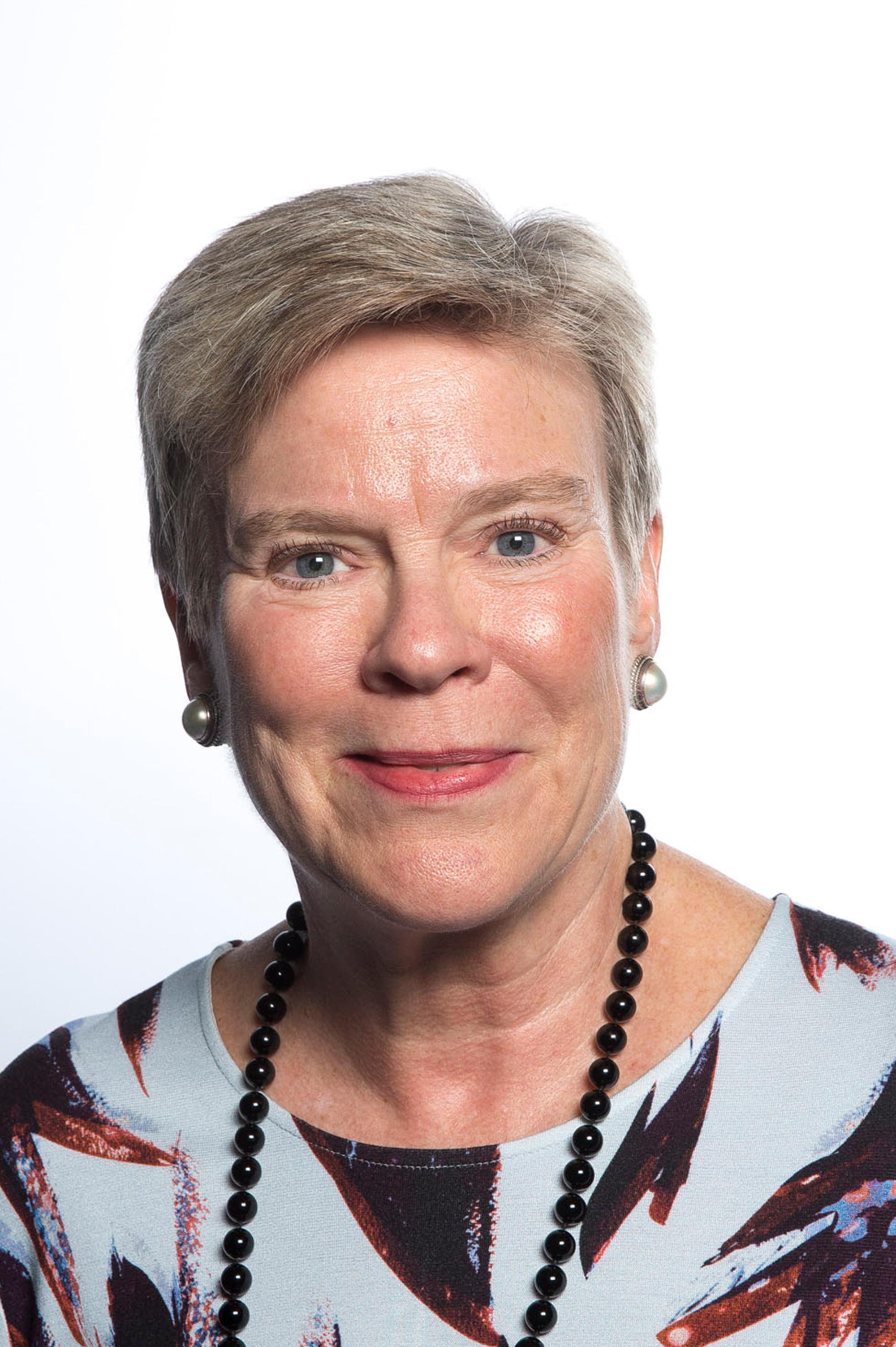
Nonresident Senior Fellow, Nuclear Policy Program
Rose Gottemoeller is a nonresident senior fellow in Carnegie’s Nuclear Policy Program. She also serves as lecturer at Stanford University’s Freeman Spogli Institute for International Studies and is a research fellow at the Hoover Institution. Ambassador Gottemoeller served as the deputy secretary general of NATO from 2016 to 2019.
Recent Work


Judy Dempsey, Alexander Gabuev, Rose Gottemoeller, …
Carnegie does not take institutional positions on public policy issues; the views represented herein are those of the author(s) and do not necessarily reflect the views of Carnegie, its staff, or its trustees.

By failing to address Palestinian representation, the current process is bound to lead to just another temporary arrangement.

Nathan J. Brown

The armed forces champion a form of capitalism that is generating revenue, but its reliance on rent faces diminishing returns, leaving the country with massive sunk costs and deferred returns, deepening dependency on external borrowing.

Yezid Sayigh

In an interview, Marc Lynch discusses his new book decrying the post-1990 U.S.-dominated order in the Middle East.

Michael Young

Just look at Iraq in 1991.

Marwan Muasher

A coalition of states is seeking to avert a U.S. attack, and Israel is in the forefront of their mind.
Michael Young