• Research
  • Diwan
  • About
  • Experts
Carnegie Middle East logoCarnegie lettermark logo
LebanonIran
{
  "authors": [
    "Jessica Tuchman Mathews"
  ],
  "type": "legacyinthemedia",
  "centerAffiliationAll": "dc",
  "centers": [
    "Carnegie Endowment for International Peace"
  ],
  "collections": [],
  "englishNewsletterAll": "democracy",
  "nonEnglishNewsletterAll": "",
  "primaryCenter": "Carnegie Endowment for International Peace",
  "programAffiliation": "DCG",
  "programs": [
    "Democracy, Conflict, and Governance"
  ],
  "projects": [],
  "regions": [
    "Middle East",
    "Iraq"
  ],
  "topics": [
    "Political Reform",
    "Foreign Policy"
  ]
}
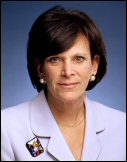
Source: Getty

In The Media

Worst-Case Scenarios in Iraq, and Solutions

Link Copied
By Jessica Tuchman Mathews
Published on Dec 18, 2006

Source: NPR's All Things Considered

From the Bush administration to the Iraq Study Group, the primary approach to Iraq seems to reflect “best-case” thinking. Taking the opposite approach, Carnegie President Jessica T. Mathews and other experts appeared on NPR's All Things Considered to discuss what the worst case scenario might be for Iraq, and how U.S. policy should respond.

Click here for transcripts and audio of the broadcast.

About the Author

Jessica Tuchman Mathews

Distinguished Fellow

Mathews is a distinguished fellow at the Carnegie Endowment for International Peace. She served as Carnegie’s president for 18 years.

    Recent Work

  • In The Media
    Washington Already Knows How to Deal with North Korea

      Jessica Tuchman Mathews

  • Commentary
    Trump Wins—and Now?

      Jessica Tuchman Mathews

Jessica Tuchman Mathews
Distinguished Fellow
Jessica Tuchman Mathews
Political ReformForeign PolicyMiddle EastIraq

Carnegie does not take institutional positions on public policy issues; the views represented herein are those of the author(s) and do not necessarily reflect the views of Carnegie, its staff, or its trustees.

More Work from Malcolm H. Kerr Carnegie Middle East Center

  • people watching smoke rising at sunrise from rooftops
    Commentary
    Emissary
    Bombing Campaigns Do Not Bring About Democracy. Nor Does Regime Change Without a Plan.

    Just look at Iraq in 1991.

      Marwan Muasher
  • Commentary
    Diwan
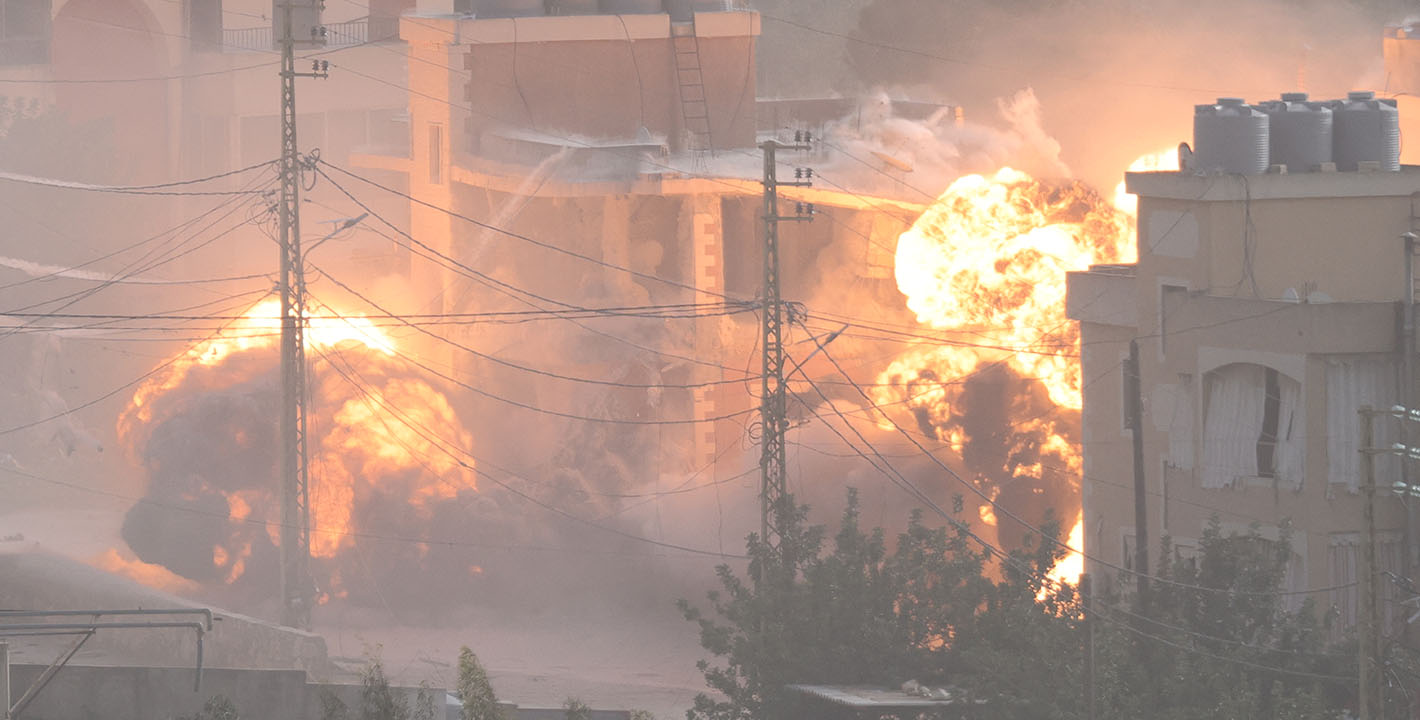
    Axis of Resistance or Suicide?

    As Iran defends its interests in the region and its regime’s survival, it may push Hezbollah into the abyss.

      Michael Young
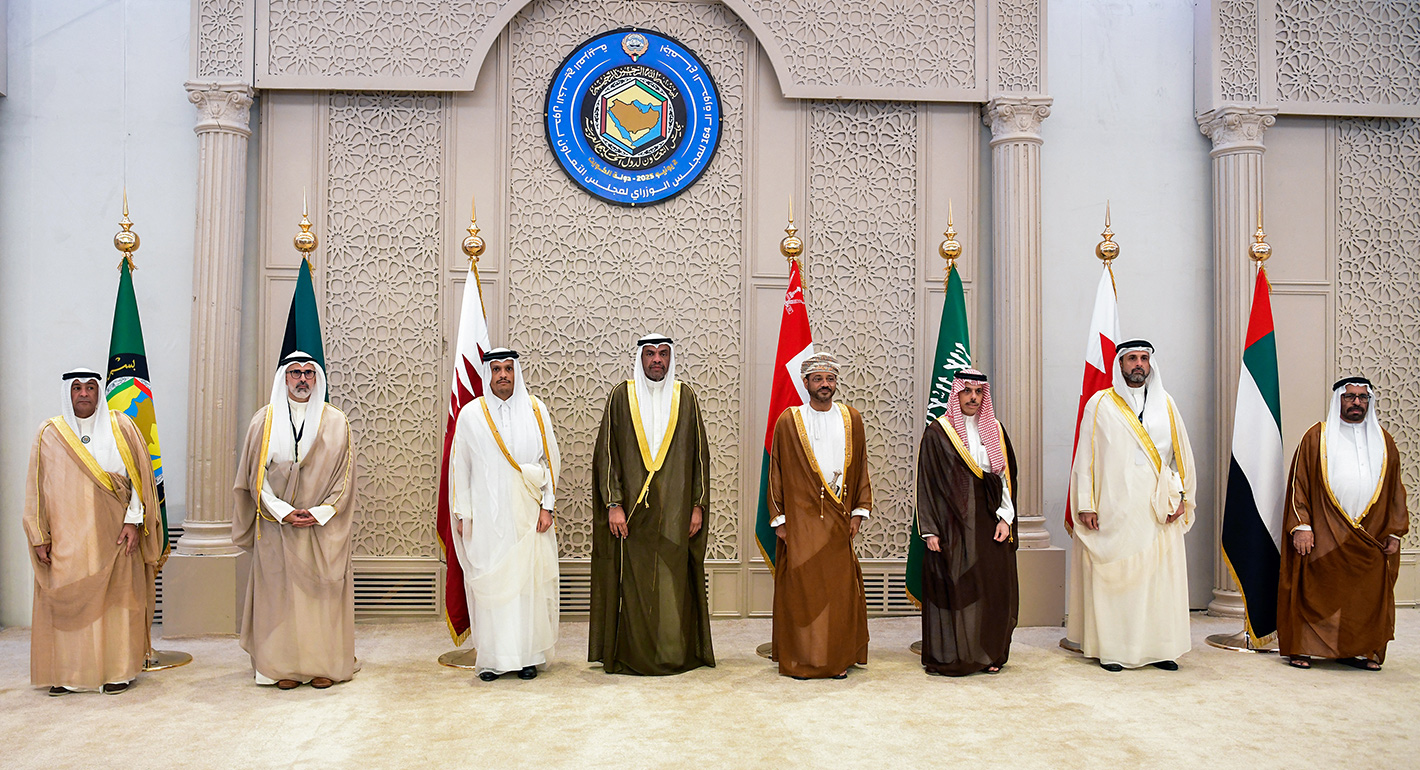
  • GCC foreign minister meeting in Kuwait City on June 2, 2025
    Article
    Can the Gulf Cooperation Council Transcend Its Divisions?

    Without structural reform, the organization, which is racked by internal rivalries, risks sliding into irrelevance.

      Hesham Alghannam

  • Commentary
    Diwan
    Iran and the New Geopolitical Moment

    A coalition of states is seeking to avert a U.S. attack, and Israel is in the forefront of their mind.

      Michael Young

  • Commentary
    The Middle East’s Promising Gen Z

    Fifteen years after the Arab uprisings, a new generation is mobilizing behind an inclusive growth model, and has the technical savvy to lead an economic transformation that works for all.
      Jihad Azour

Get more news and analysis from
Malcolm H. Kerr Carnegie Middle East Center
Carnegie Middle East logo, white
  • Research
  • Diwan
  • About
  • Experts
  • Projects
  • Events
  • Contact
  • Careers
  • Privacy
  • For Media
Get more news and analysis from
Malcolm H. Kerr Carnegie Middle East Center
© 2026 Carnegie Endowment for International Peace. All rights reserved.

