

Commentary
As talks begin between Washington and Tehran, Beirut has an opening to advance a regional plan for the party’s disarmament.
Michael Young
{
  "authors": [],
  "type": "pressRelease",
  "centerAffiliationAll": "dc",
  "centers": [
    "Carnegie Endowment for International Peace"
  ],
  "collections": [],
  "englishNewsletterAll": "menaTransitions",
  "nonEnglishNewsletterAll": "",
  "primaryCenter": "Carnegie Endowment for International Peace",
  "programAffiliation": "MEP",
  "programs": [
    "Middle East"
  ],
  "projects": [],
  "regions": [
    "North America",
    "United States",
    "Middle East",
    "Israel",
    "North Africa",
    "Egypt",
    "Palestine"
  ],
  "topics": [
    "Political Reform",
    "Democracy",
    "Foreign Policy"
  ]
}
REQUIRED IMAGE
The current U.S. approach to the Israeli–Palestinian conflict further undermines the chances for a two-state solution. Rather than pretending that an agreement is possible, it would be far better if U.S. efforts in the remainder of this year began to address underlying problems to improve the scenarios for the next administration, urges Middle East expert Nathan J. Brown.

WASHINGTON, May 13—The current U.S. approach to the Israeli–Palestinian conflict actually further undermines the chances for a two-state solution. Rather than pretending that an agreement is possible now, it would be far better if U.S. efforts in the remainder of this calendar year began to address the underlying problems to improve the scenarios for the next administration, urges Middle East expert Nathan J. Brown in his new report, Sunset for the Two-State Solution?, released today.
The next U.S. administration will face a series of bleak choices on the Israeli–Palestinian conflict, of which a two-state solution remains the most attractive. But the framework to support a two-state solution has collapsed. A two-state solution will require a more viable and unified Palestinian leadership and less intrusive Israeli security in the West Bank.
To keep a two-state solution alive for the next administration, the Bush administration should:
“The menu that will greet the incoming U.S. administration in January 2009 is short and unappetizing. The most attractive option—revival of the two-state solution—will require extremely robust efforts indeed. And it will also demand more patience, concerted attention, and tolerance for risk than the United States has shown so far in dealing with the conflict.”
###

Carnegie does not take institutional positions on public policy issues; the views represented herein are those of the author(s) and do not necessarily reflect the views of Carnegie, its staff, or its trustees.
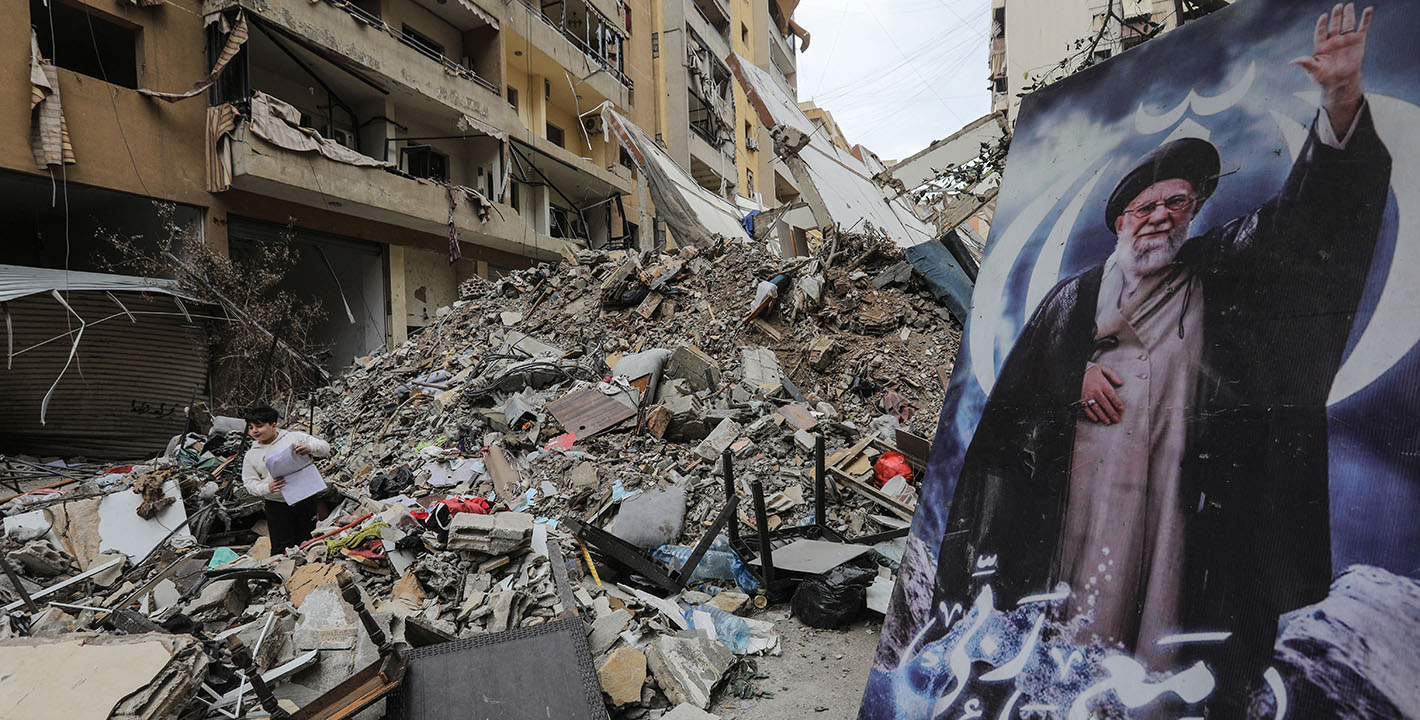
As talks begin between Washington and Tehran, Beirut has an opening to advance a regional plan for the party’s disarmament.

Michael Young
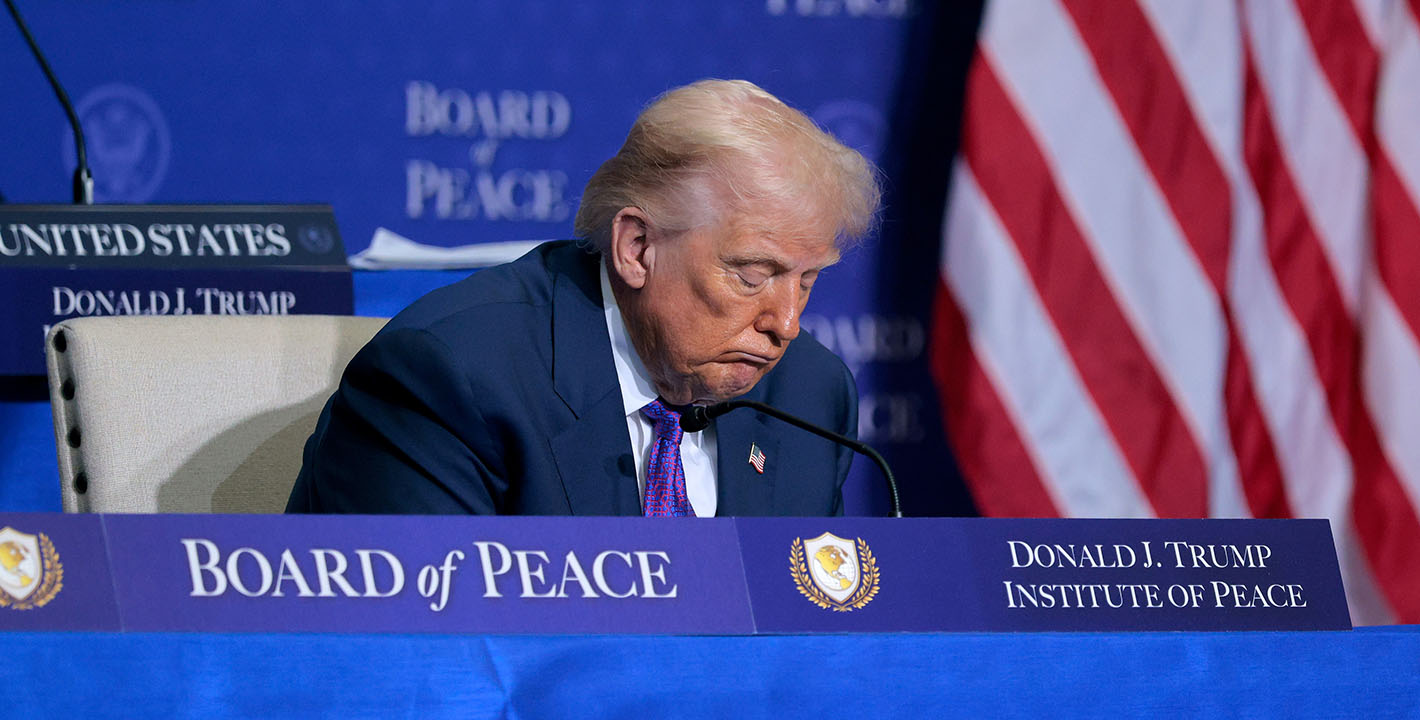
What is behind Marco Rubio’s announcement that the body is now an international nongovernmental organization?

Zaha Hassan
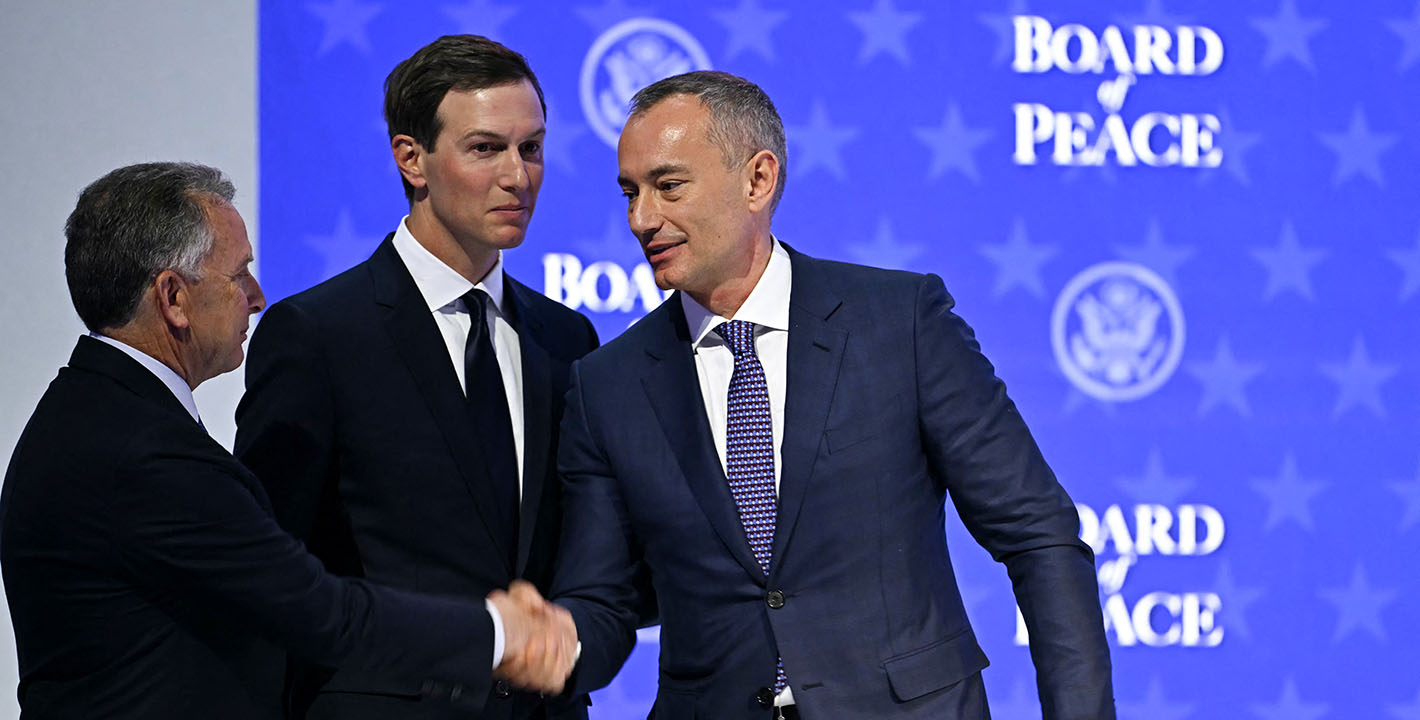
Policy discussion is ignoring that the Palestinian national project is hollowed out and apartheid is a present danger.

Nathan J. Brown

This will be the region’s most representative tournament, amid broad changes in its footballing landscape.

Issam Kayssi
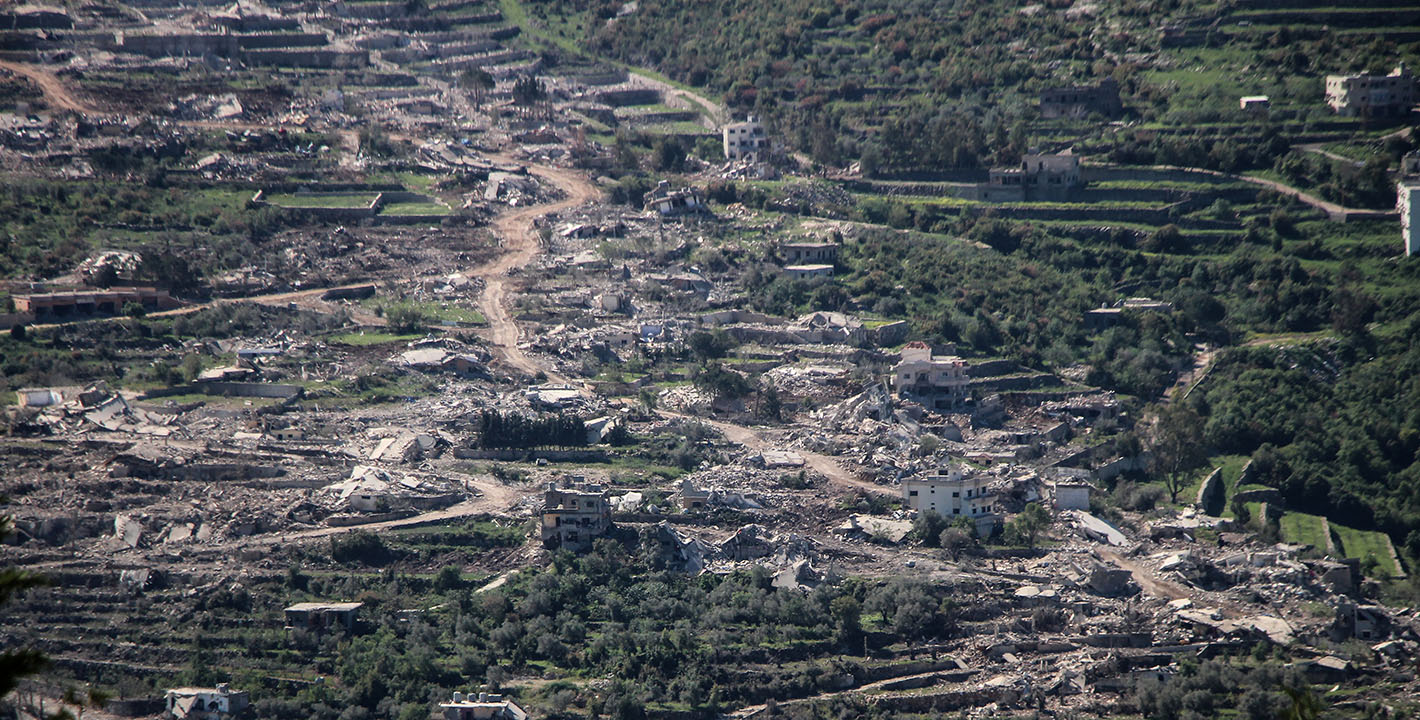
As negotiations with Iran and Lebanon continue, chaos is at the heart of the Netanyahu government’s calculations.
Michael Young