

In The Media
Josh Kurlantzick
{
  "authors": [
    "Josh Kurlantzick"
  ],
  "type": "legacyinthemedia",
  "centerAffiliationAll": "dc",
  "centers": [
    "Carnegie Endowment for International Peace"
  ],
  "collections": [],
  "englishNewsletterAll": "menaTransitions",
  "nonEnglishNewsletterAll": "",
  "primaryCenter": "Carnegie Endowment for International Peace",
  "programAffiliation": "MEP",
  "programs": [
    "Middle East"
  ],
  "projects": [],
  "regions": [
    "Iraq",
    "Afghanistan"
  ],
  "topics": [
    "Foreign Policy"
  ]
}
Source: Getty
Seasoned diplomats are leaving the State Department in droves, leaving America critically short on diplomatic expertise just when it is needed most.
Source: Mother Jones

Tom's predicament was no anomaly. In 2006, Secretary of State Condoleezza Rice vowed to move diplomats "out from behind their desks into the field"—away from places like Western Europe and into developing nations where they would play a more hands-on development role. But her plan, however laudable, was put forth without the money and smart management needed to make it work. Now seasoned diplomats are fleeing Foggy Bottom in droves, leaving America critically short on diplomatic expertise just when it is needed most.
The State Department, by its own projections, will lose 14 percent of its veteran diplomats every year from 2007 to 2011—an entire generation in a few years' time. The talent pool is shrinking, too; the number of people taking the foreign-service exam fell more than 40 percent between 2002 and 2006. Under Colin Powell, State had hoped to hire more than 1,000 officers, but the department's latest budget sought fewer than 300. And because Rice didn't push hard enough for that funding, the department may actually lose jobs this year. The dire situation has officials counting paper clips. "Everyone must reduce expenses whenever and wherever possible," warned a March memo instructing supervisors to cut positions and defer staff training requests. State employees, it further admonished, would have to "reduce their use of supplies."
The Bush administration was hard on State from the start. The number of overseas postings where diplomats cannot bring their families has more than quadrupled, from 200 in 2001 to 905 today. And the job has gotten riskier everywhere: US diplomats have been gunned down in Khartoum and Amman, suicide-bombed in Karachi, and killed by hand grenades in Islamabad. They are entering war zones unprepared, with just a few weeks of training for a Baghdad posting; four decades ago, Vietnam-bound diplomats got six months of preparation, which included combat training. Nearly 40 percent are now returning from conflict areas with post-traumatic stress disorder, according to Steve Kashkett, vice president of the American Foreign Service Association, the union representing US diplomats. That's more than twice the rate for soldiers. And for all their troubles, foreign-service officers may see their salaries slashed up to 20 percent when they take a hardship post, on the grounds that living overseas costs less. "They are shifting bodies," says one congressional staffer, "but they aren't backing that up with more money."
Across the world, the brain drain has left US embassies understaffed—nearly 1 in 6 positions is vacant—and in the hands of inexperienced people. The trend is particularly worrisome in Iraq, reports one veteran foreign-service officer. "You have [junior officers] in important positions," he says. "It's not correlating well with what you'd want in the most important embassy in the world."

Former Visiting Scholar, China Program
A special correspondent for The New Republic, a columnist for Time, and a senior correspondent for The American Prospect, Kurlantzick assesses China’s relationship with the developing world, including Southeast Asia, Africa, and Latin America.
Recent Work
Josh Kurlantzick
Carnegie does not take institutional positions on public policy issues; the views represented herein are those of the author(s) and do not necessarily reflect the views of Carnegie, its staff, or its trustees.
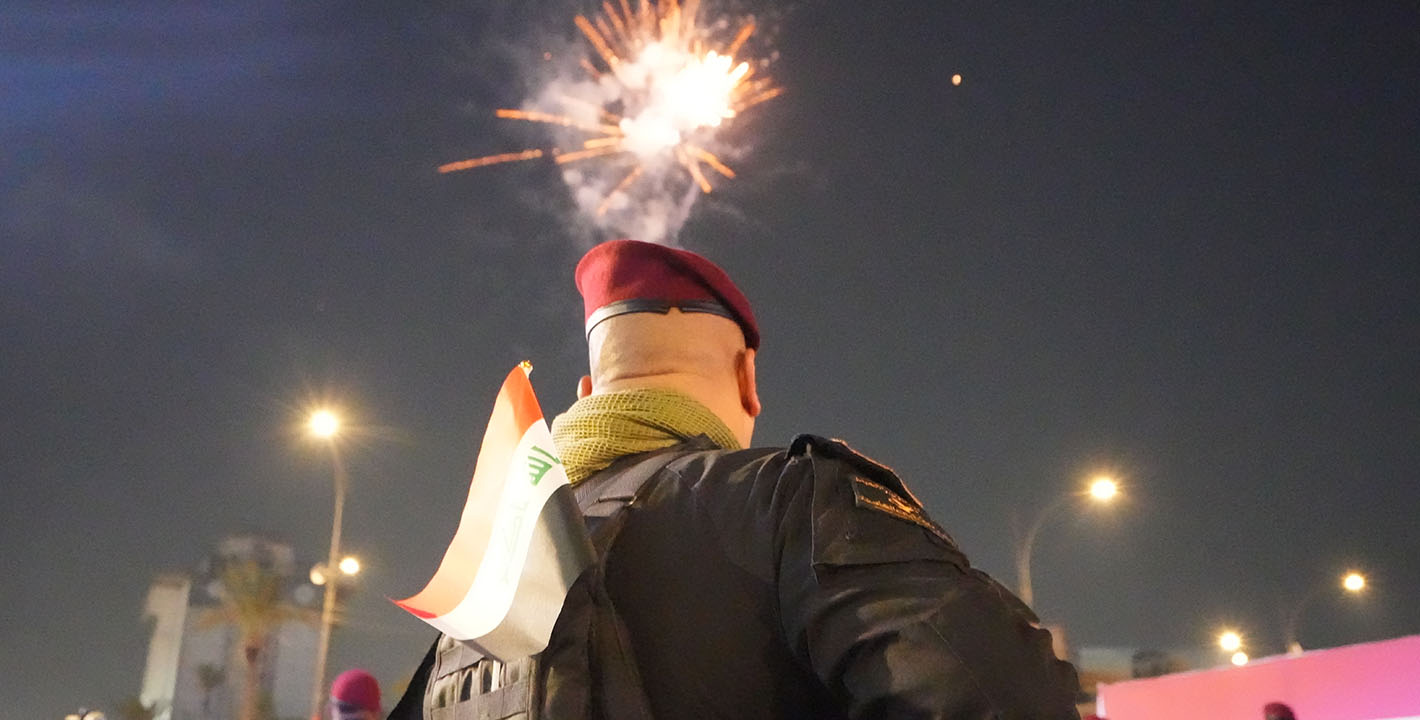
As the U.S.-led Coalition withdraws, the Kurds’ reliance on Baghdad, and on themselves, will only increase.
Wladimir van Wilgenburg

In an interview, Ian Lustick and Eli Clifton discuss their new book on why a prominent ally has so much influence in America.

Michael Young

The Zaidi government’s objective to collect weapons is constrained by regional conflict, but it can take certain measures at home.
Ali Al-Mawlawi

By failing to address Palestinian representation, the current process is bound to lead to just another temporary arrangement.

Nathan J. Brown
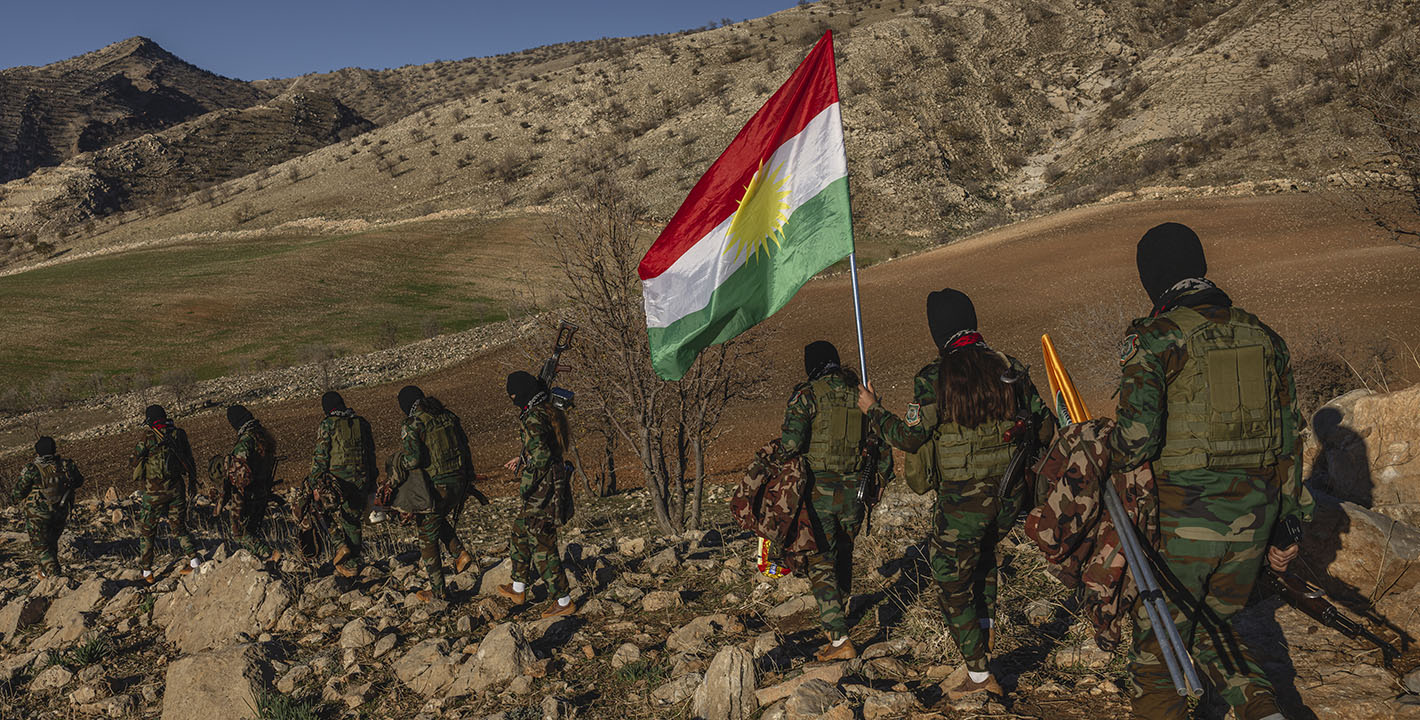
Following its deal with the United States, Iran may act against Iraq-based dissidents.
Wladimir van Wilgenburg