

Commentary
In an interview, Marc Lynch discusses his new book decrying the post-1990 U.S.-dominated order in the Middle East.
Michael Young
{
  "authors": [],
  "type": "pressRelease",
  "centerAffiliationAll": "dc",
  "centers": [
    "Carnegie Endowment for International Peace"
  ],
  "collections": [],
  "englishNewsletterAll": "ctw",
  "nonEnglishNewsletterAll": "",
  "primaryCenter": "Carnegie Endowment for International Peace",
  "programAffiliation": "NPP",
  "programs": [
    "Nuclear Policy"
  ],
  "projects": [],
  "regions": [],
  "topics": [
    "Military",
    "Foreign Policy",
    "Nuclear Policy"
  ]
}
REQUIRED IMAGE
The Carnegie Endowment for International Peace announced that James Acton, a leading expert on nuclear disarmament and nonproliferation, has joined its Nonproliferation Program. Acton's research focuses on forging practical solutions to strengthen the nonproliferation regime and promote disarmament, particularly on ensuring that nuclear energy programs are used only for peaceful purposes.
WASHINGTON, Nov 18—The Carnegie Endowment for International Peace announced today that James Acton, a leading expert on nuclear disarmament and nonproliferation, has joined its Nonproliferation Program in Washington, D.C.
Acton will focus on forging practical solutions to strengthen the nonproliferation regime and promote disarmament, particularly on ensuring that nuclear energy programs are used only for peaceful purposes.
With George Perkovich, Acton is the co-author of the recent Adelphi Paper, Abolishing Nuclear Weapons, an unprecedented exploration of whether and how the elimination of all nuclear arsenals could be verified and enforced.
In welcoming the announcement, George Perkovich, vice president for studies and director of the Carnegie Nonproliferation Program, said:
“James’s work will add to the much needed dialogue on the practical steps to move nuclear disarmament forward, particularly within the civil nuclear industry. We are delighted that James will be joining our program at a critical juncture for the nonproliferation regime.”
James Acton said:
“With offices in critical policy-making centers around the globe, Carnegie is uniquely positioned to influence the debate on how best to strengthen the nonproliferation regime and move towards global disarmament. I look forward to being part of the efforts to influence the policy dialogue in collaboration with colleagues in Washington, as well as Carnegie’s offices in Beirut, Beijing, Brussels, and Moscow.”
Acton’s previous research projects include analyses of IAEA safeguards in Iran, verifying disarmament in North Korea, preventing novel forms of radiological terrorism, and the capability of Middle Eastern states to develop nuclear energy.
###

Carnegie does not take institutional positions on public policy issues; the views represented herein are those of the author(s) and do not necessarily reflect the views of Carnegie, its staff, or its trustees.
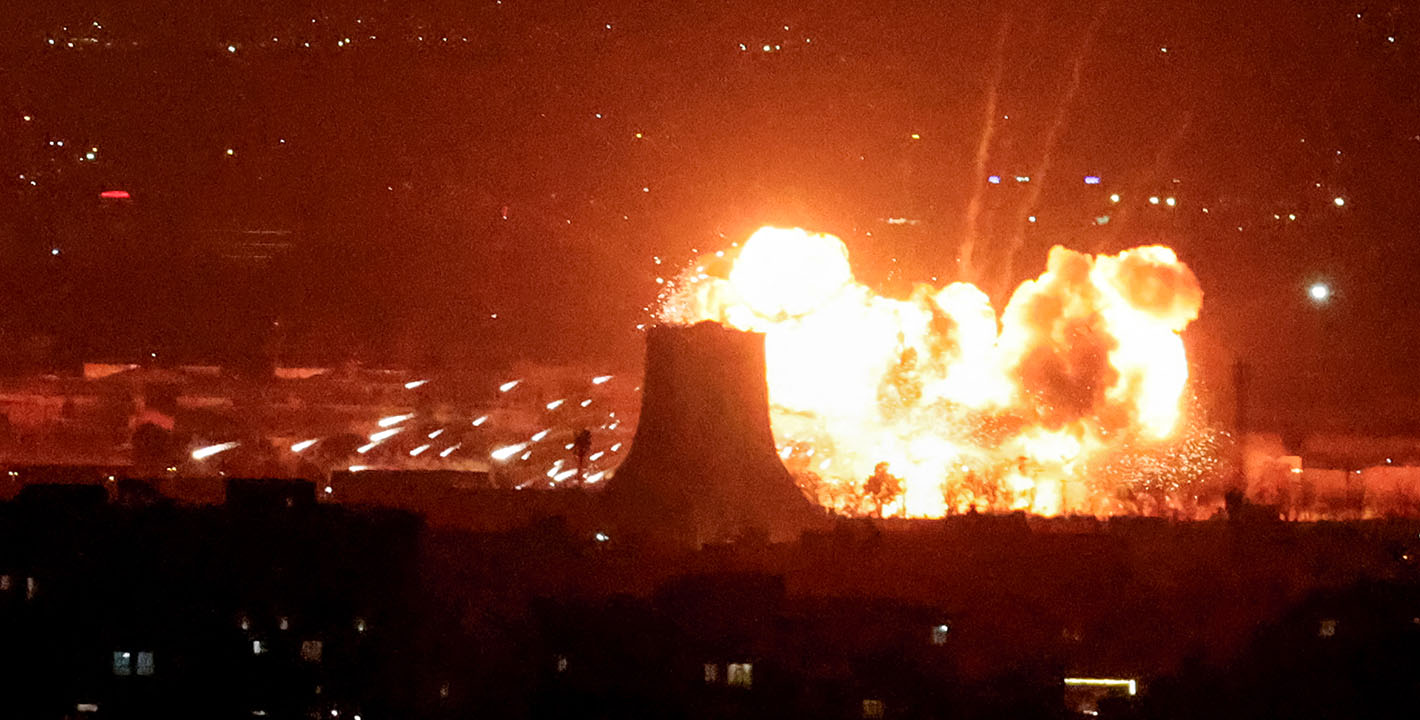
In an interview, Marc Lynch discusses his new book decrying the post-1990 U.S.-dominated order in the Middle East.

Michael Young

Just look at Iraq in 1991.

Marwan Muasher

A coalition of states is seeking to avert a U.S. attack, and Israel is in the forefront of their mind.
Michael Young

Baku may allow radical nationalists to publicly discuss “reunification” with Azeri Iranians, but the president and key officials prefer not to comment publicly on the protests in Iran.

Bashir Kitachaev
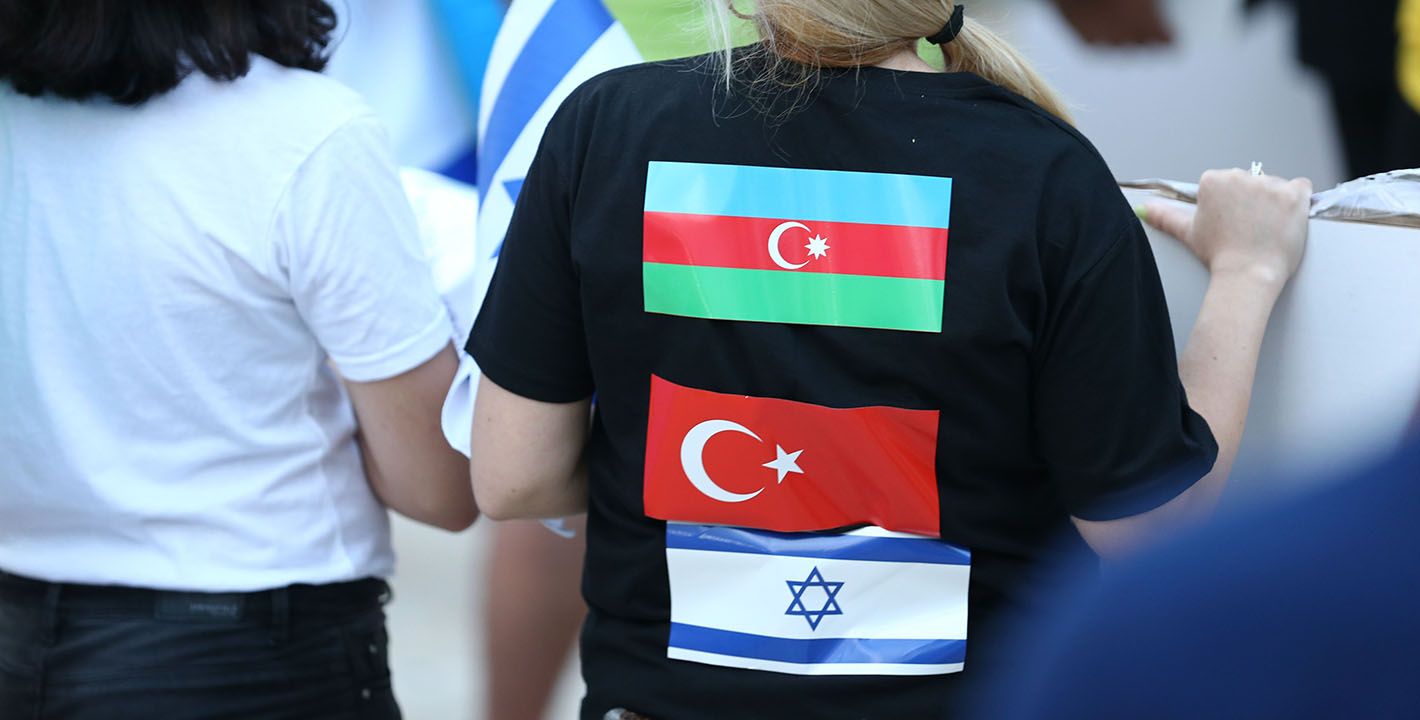
The country’s leadership is increasingly uneasy about multiple challenges from the Levant to the South Caucasus.

Armenak Tokmajyan