

Article
The civil war in Syria may have ended, but the country continues to serve as a source for the trafficking of illegal substances into and via Jordanian territory.
Armenak Tokmajyan, Laith Qerbaa
{
  "authors": [],
  "type": "pressRelease",
  "centerAffiliationAll": "dc",
  "centers": [
    "Carnegie Endowment for International Peace"
  ],
  "collections": [],
  "englishNewsletterAll": "menaTransitions",
  "nonEnglishNewsletterAll": "",
  "primaryCenter": "Carnegie Endowment for International Peace",
  "programAffiliation": "MEP",
  "programs": [
    "Middle East"
  ],
  "projects": [],
  "regions": [
    "Middle East",
    "North Africa",
    "Egypt",
    "Algeria",
    "Morocco",
    "Jordan",
    "Bahrain",
    "Kuwait",
    "Yemen"
  ],
  "topics": [
    "Political Reform"
  ]
}
REQUIRED IMAGE
Despite some electoral success, Islamist movements participating in politics have failed to influence policy and are criticized by their base for abandoning their religious commitments. Islamist movements must convince their supporters that political participation is the best way to affect government in the long term, despite seemingly poor short-term gains.
WASHINGTON, Dec 11—Islamist movements participating in politics in the Middle East have reached an important crossroad. Despite some electoral success, they have failed to influence policy and are criticized by their base for abandoning their religious commitments. Islamist movements must convince their supporters that political participation is the best way to affect government in the long term, despite seemingly poor short-term gains, concludes a new paper from the Carnegie Endowment.
Marina Ottaway and Amr Hamzawy examine the experiences of “participating Islamist movements” in Morocco, Algeria, Egypt, Jordan, Bahrain, Kuwait, and Yemen. Islamists are torn between their need to compromise on some social and political issues to be effective political players and the risk of alienating their core supporters.
Key Conclusions:
The authors conclude:
“While participation is not invariably a process of further democratization and moderation, it is also clear that non-participation—either enforced by governments or chosen by the leadership of Islamist parties and movements—is a guarantee that a process of moderation will not take place. This is a sobering thought for those governments and their international backers that would like to set the bar for participation by Islamists extremely high. The choice is not between allowing the somewhat risky participation by Islamists in politics and their disappearance from the political scene. It is between allowing their participation despite the existence of gray zones with the possibility that a moderating process will unfold, and excluding them from the legal political process—thus ensuring the growing influence of hard-liners inside those movements and the continued existence of gray zones.”
###

Carnegie does not take institutional positions on public policy issues; the views represented herein are those of the author(s) and do not necessarily reflect the views of Carnegie, its staff, or its trustees.
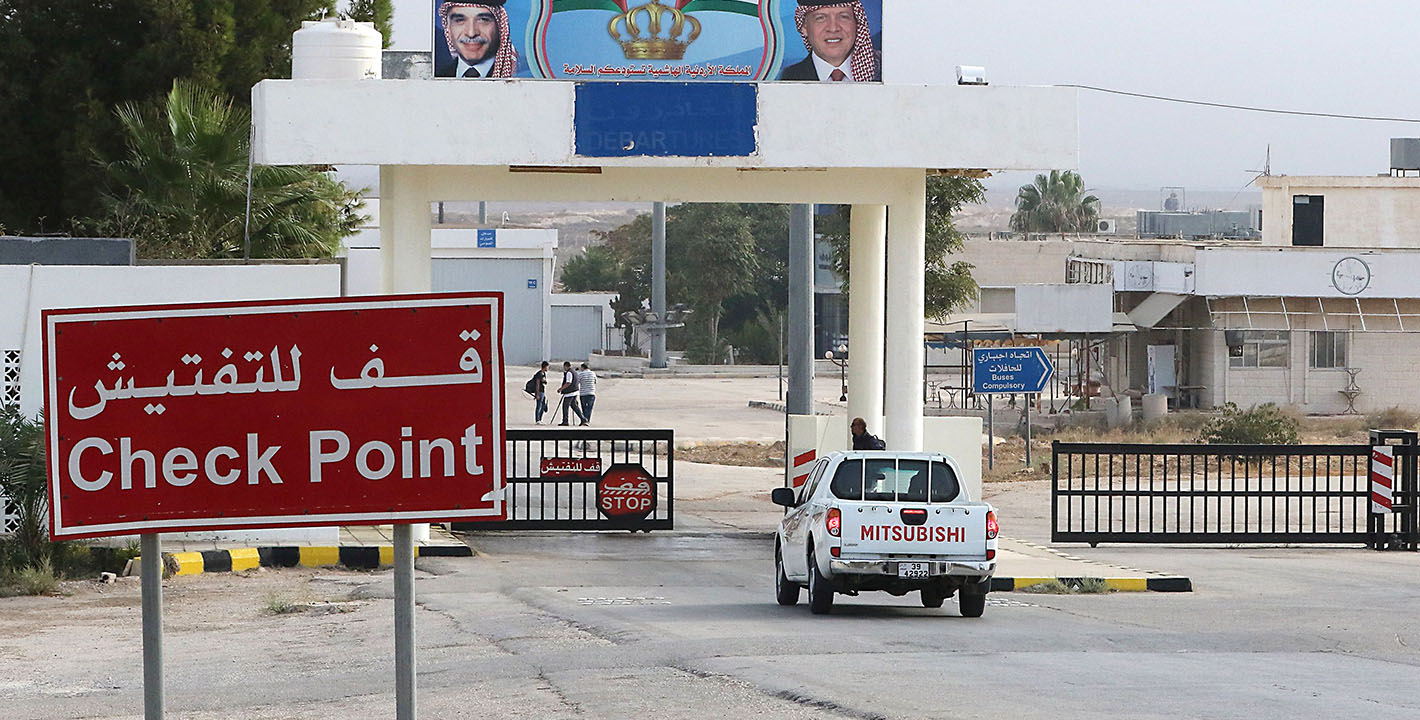
The civil war in Syria may have ended, but the country continues to serve as a source for the trafficking of illegal substances into and via Jordanian territory.

Armenak Tokmajyan, Laith Qerbaa

As the U.S. stumbles in its war with Iran, we are likely to see an acceleration of its disengagement from the region.

Michael Young

The accord represents a pivotal moment in the region to avert a security vacuum in the Gulf.


Azeema Cheema, Mohanad Hage Ali

In an interview, Jason Burke discusses his sweeping account of the “revolutionists” who so shaped the 1970s and early 1980s.
Michael Young

The armed forces champion a form of capitalism that is generating revenue, but its reliance on rent faces diminishing returns, leaving the country with massive sunk costs and deferred returns, deepening dependency on external borrowing.

Yezid Sayigh