

Paper
Adam Baczko, Gilles Dorronsoro, Arthur Quesnay
{
  "authors": [
    "Gilles Dorronsoro"
  ],
  "type": "legacyinthemedia",
  "centerAffiliationAll": "dc",
  "centers": [
    "Carnegie Endowment for International Peace"
  ],
  "collections": [],
  "englishNewsletterAll": "ctw",
  "nonEnglishNewsletterAll": "",
  "primaryCenter": "Carnegie Endowment for International Peace",
  "programAffiliation": "SAP",
  "programs": [
    "South Asia"
  ],
  "projects": [],
  "regions": [
    "South Asia",
    "Afghanistan"
  ],
  "topics": [
    "Security",
    "Military",
    "Foreign Policy"
  ]
}
Source: Getty
A Taliban victory in Afghanistan would enable al-Qaeda to use Afghan cities as a base. The United States can prevent that outcome by changing its military strategy and by helping to build a strong Afghan state.
Source: The Washington Post

Instead of this limited objective, the current strategy aims to retake the south and east of the country from the insurgents. As we see in Helmand province, where 20,000 troops have been unable to secure a few districts, this strategy cannot work. The coalition cannot secure the villages of the Pashtun belt, where foreigners are deeply unpopular, and there is no Afghan army or police force to take its place. If Gen. Stanley McChrystal prevails on the White House to commit more troops to this end, the results will be catastrophic: high casualties and growing opposition among both the Afghan and American people. Large operations like that in Helmand needlessly antagonize Afghans, who see the coalition as the main source of insecurity.
To succeed, the coalition must control Afghanistan's cities, where institution-building can take place and where the population is more neutral or even favorable to the coalition. The Afghan army and, in certain cases, small militias must protect cities, towns and the roads linking them. Fewer casualties and the improvement of the Afghan security forces -- Afghanization -- will allow the coalition to focus more resources in the north, where the situation is becoming extremely unstable. Stabilizing the country will allow the coalition to focus on al-Qaeda, the enemy that attacked the United States on Sept. 11.
This piece is an excerpt from a larger article that has contributions from several foreign policy experts. To read the full article, please click here.
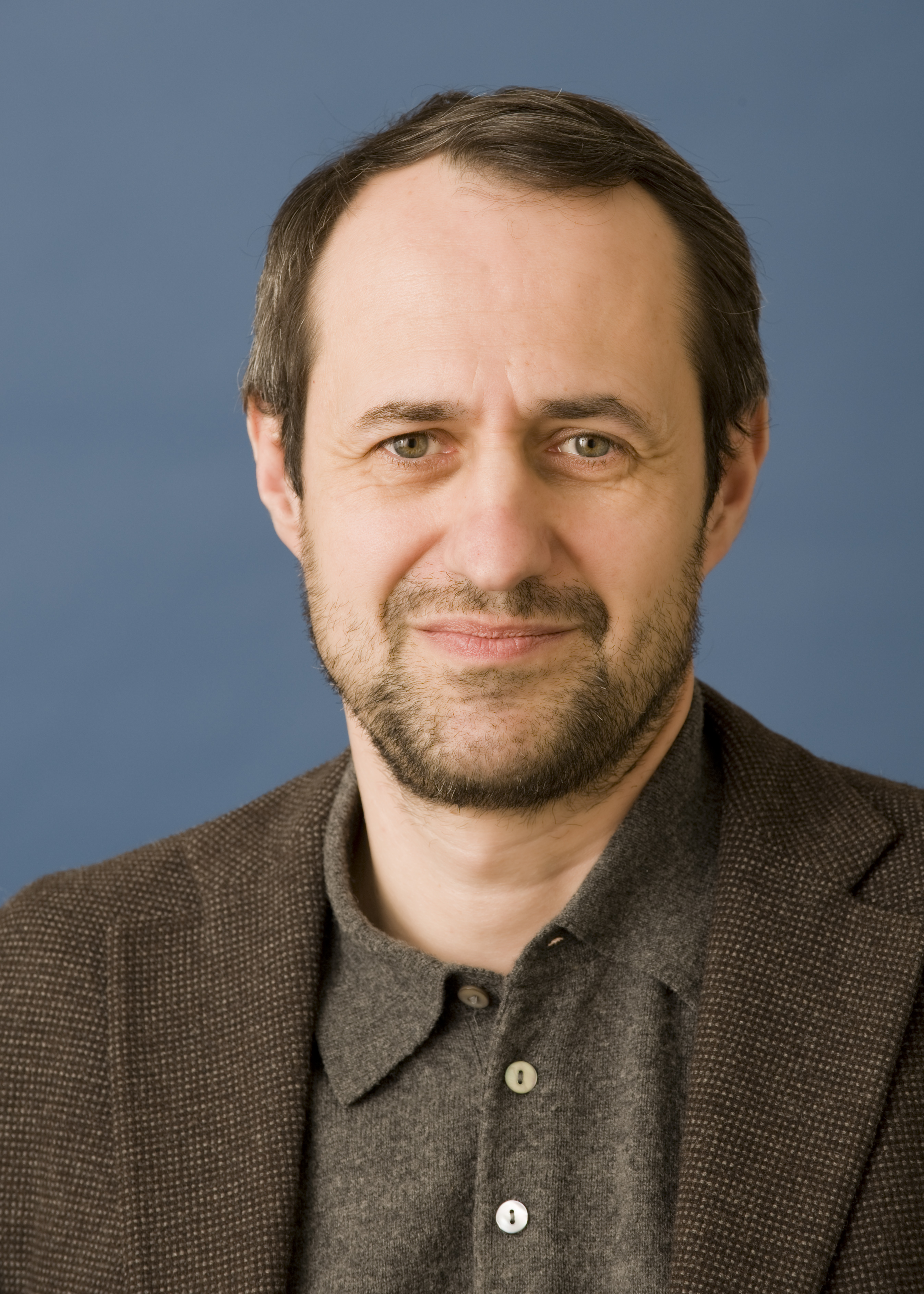
Former Nonresident Scholar, South Asia Program
Dorronsoro’s research focuses on security and political development in Afghanistan. He was a professor of political science at the Sorbonne in Paris and the Institute of Political Studies of Rennes.
Recent Work
Adam Baczko, Gilles Dorronsoro, Arthur Quesnay
Gilles Dorronsoro
Carnegie does not take institutional positions on public policy issues; the views represented herein are those of the author(s) and do not necessarily reflect the views of Carnegie, its staff, or its trustees.

By failing to address Palestinian representation, the current process is bound to lead to just another temporary arrangement.

Nathan J. Brown

The armed forces champion a form of capitalism that is generating revenue, but its reliance on rent faces diminishing returns, leaving the country with massive sunk costs and deferred returns, deepening dependency on external borrowing.

Yezid Sayigh

Just look at Iraq in 1991.

Marwan Muasher

A coalition of states is seeking to avert a U.S. attack, and Israel is in the forefront of their mind.

Michael Young

Baku may allow radical nationalists to publicly discuss “reunification” with Azeri Iranians, but the president and key officials prefer not to comment publicly on the protests in Iran.

Bashir Kitachaev