

Commentary
This will be the region’s most representative tournament, amid broad changes in its footballing landscape.
Issam Kayssi
{
  "authors": [],
  "type": "pressRelease",
  "centerAffiliationAll": "dc",
  "centers": [
    "Carnegie Endowment for International Peace"
  ],
  "collections": [],
  "englishNewsletterAll": "ctw",
  "nonEnglishNewsletterAll": "",
  "primaryCenter": "Carnegie Endowment for International Peace",
  "programAffiliation": "russia",
  "programs": [
    "Russia and Eurasia"
  ],
  "projects": [],
  "regions": [
    "Türkiye",
    "Caucasus",
    "Armenia"
  ],
  "topics": []
}
REQUIRED IMAGE
While there is virtually no hope that the 2009 Armenian–Turkish Protocols will be ratified soon, the parties should take small steps to rebuild confidence and affirm their faith in the process.
WASHINGTON, Apr 9—The current crisis between Armenia and Turkey will likely reach a head by April 24, the date commemorated as Armenian Genocide Day. While there is virtually no hope that the 2009 Armenian–Turkish Protocols will be ratified soon, the parties should take small steps to rebuild confidence and affirm their faith in the process, concludes a new policy brief by Thomas de Waal.
If ratified, the Protocols would open the closed Armenia–Turkey border, promising Armenia long-term economic transformation and an end to its regional isolation. For Turkey, ratifying the Protocols gives it a new role in the Caucasus and is a major step toward ending the humiliation of foreign parliaments passing genocide resolutions condemning Turkey.
Key Conclusions:
“The Turkey–Armenia process was the most positive initiative in the South Caucasus in years and still has the potential to transform the region. If the process is to get back on track, all involved parties, including the United States, should articulate a strategic vision for the region, and for resolution of the Karabakh conflict,” writes de Waal. “The centenary of the Armenian tragedy in 2015 is a good reference point by which to set the goal of Armenian–Turkish normalization.”
###
NOTES
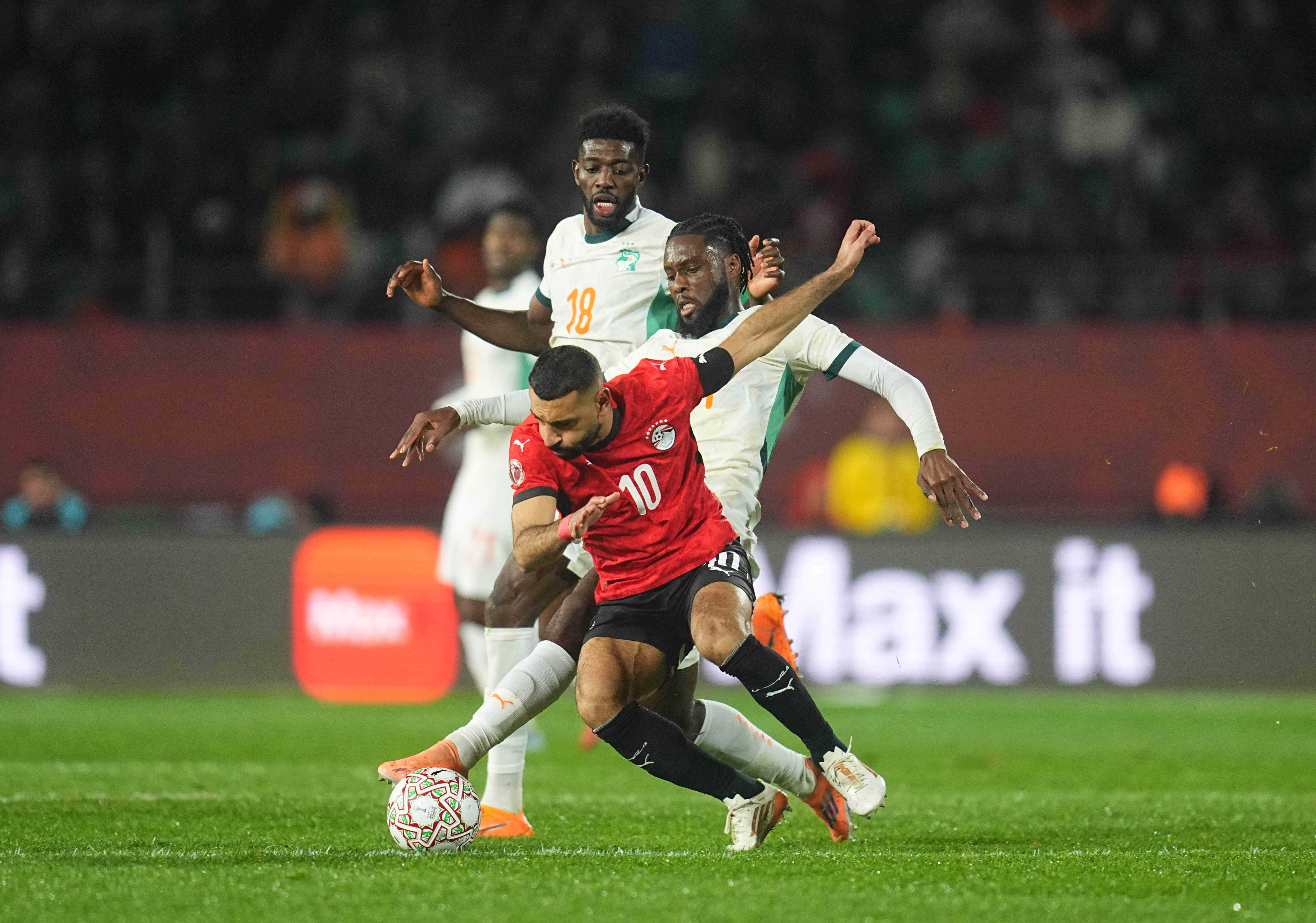
This will be the region’s most representative tournament, amid broad changes in its footballing landscape.

Issam Kayssi
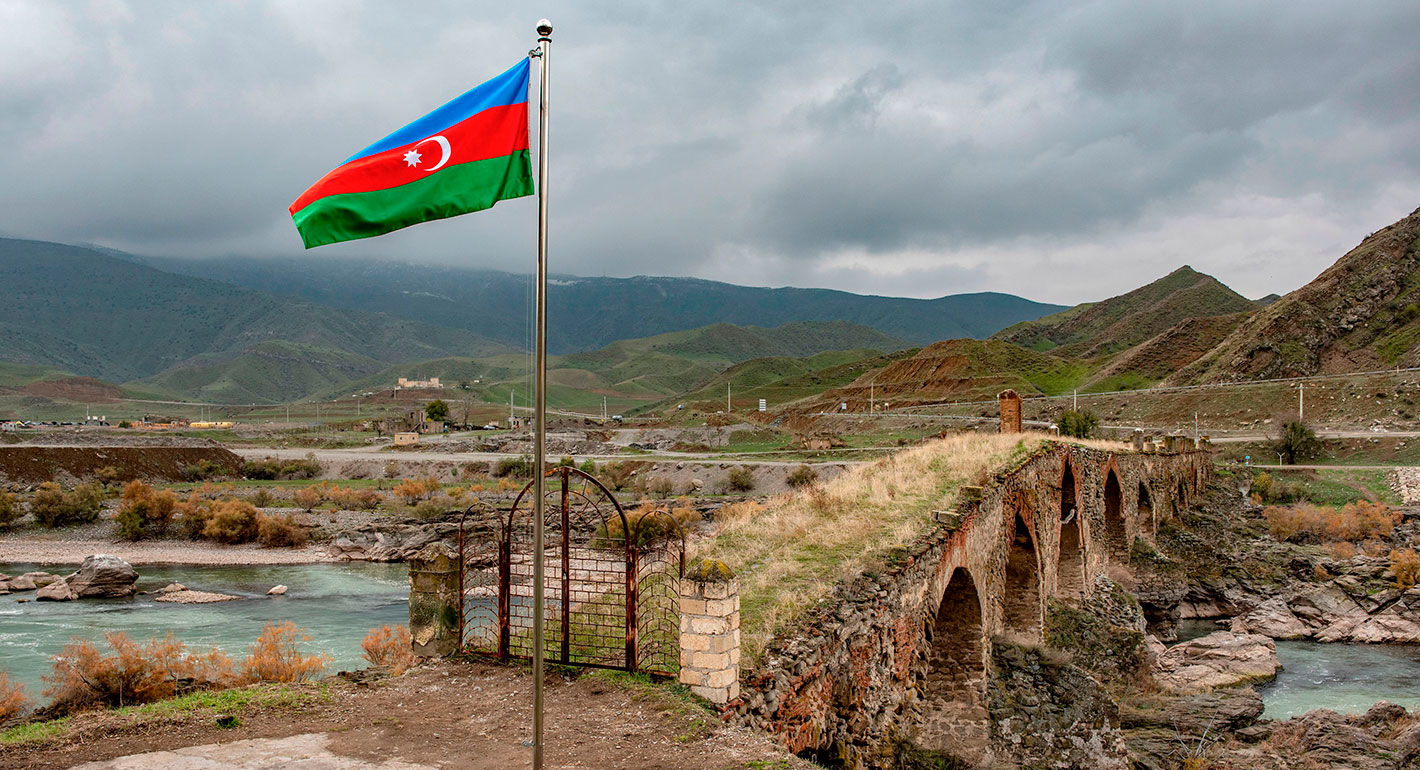
In an interview, Sergei Melkonian discusses Armenia’s and Azerbaijan’s careful balancing act among the United States, Israel, and Iran.

Armenak Tokmajyan
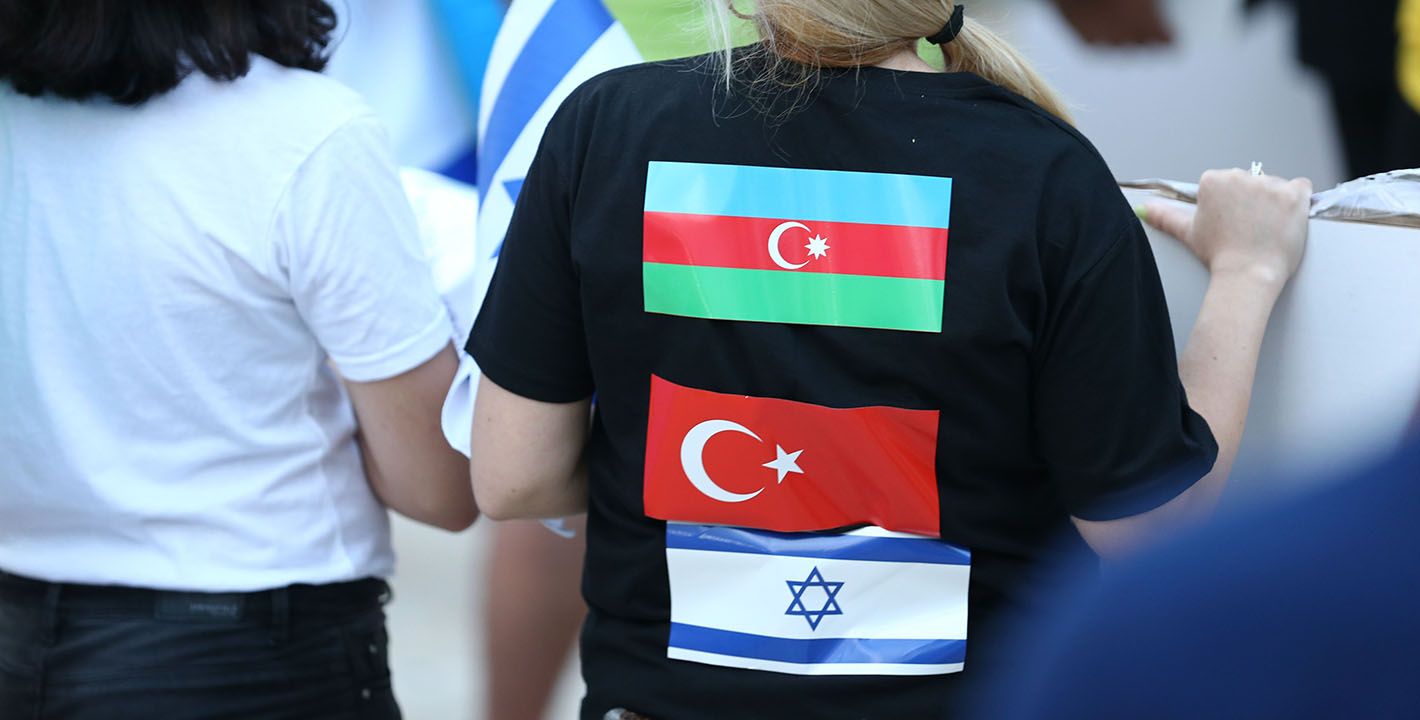
The country’s leadership is increasingly uneasy about multiple challenges from the Levant to the South Caucasus.
Armenak Tokmajyan
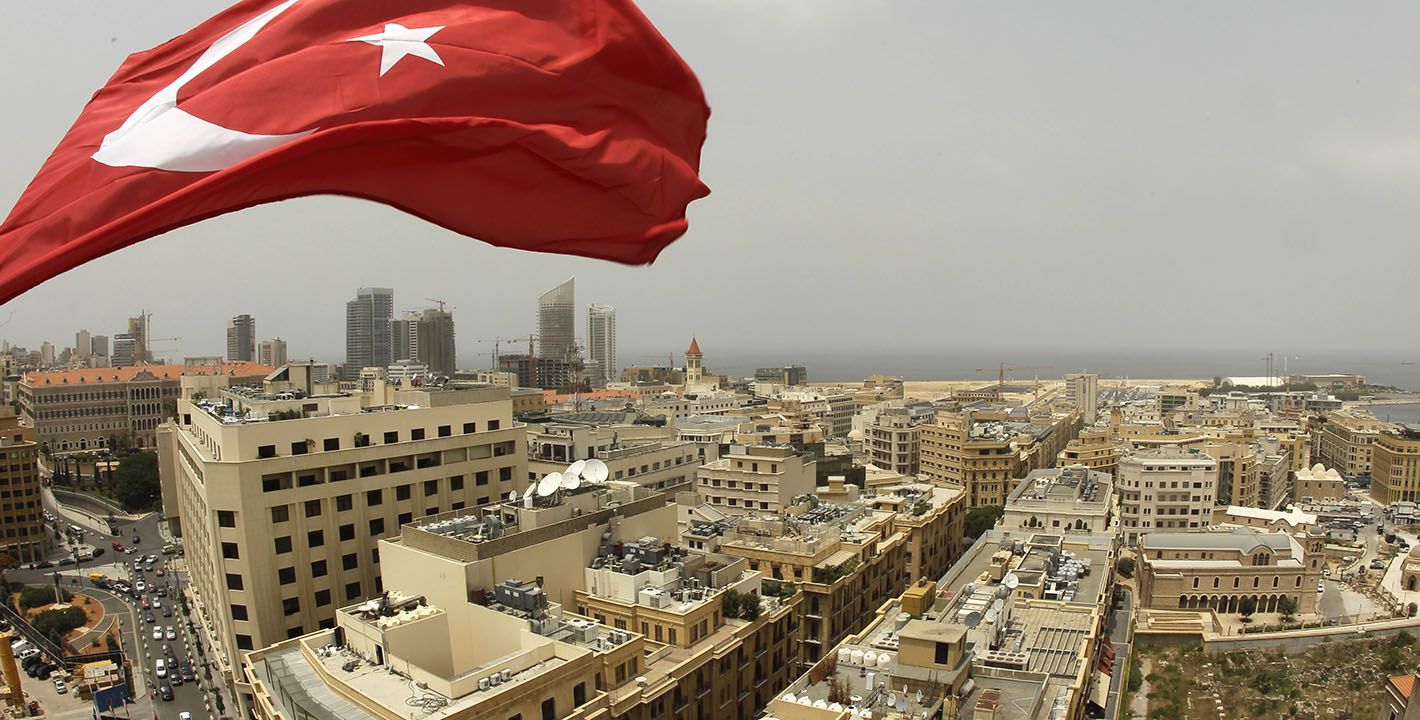
Ankara may seek to annul a maritime deal with Cyprus and expand its influence in the next parliament.

Mohanad Hage Ali
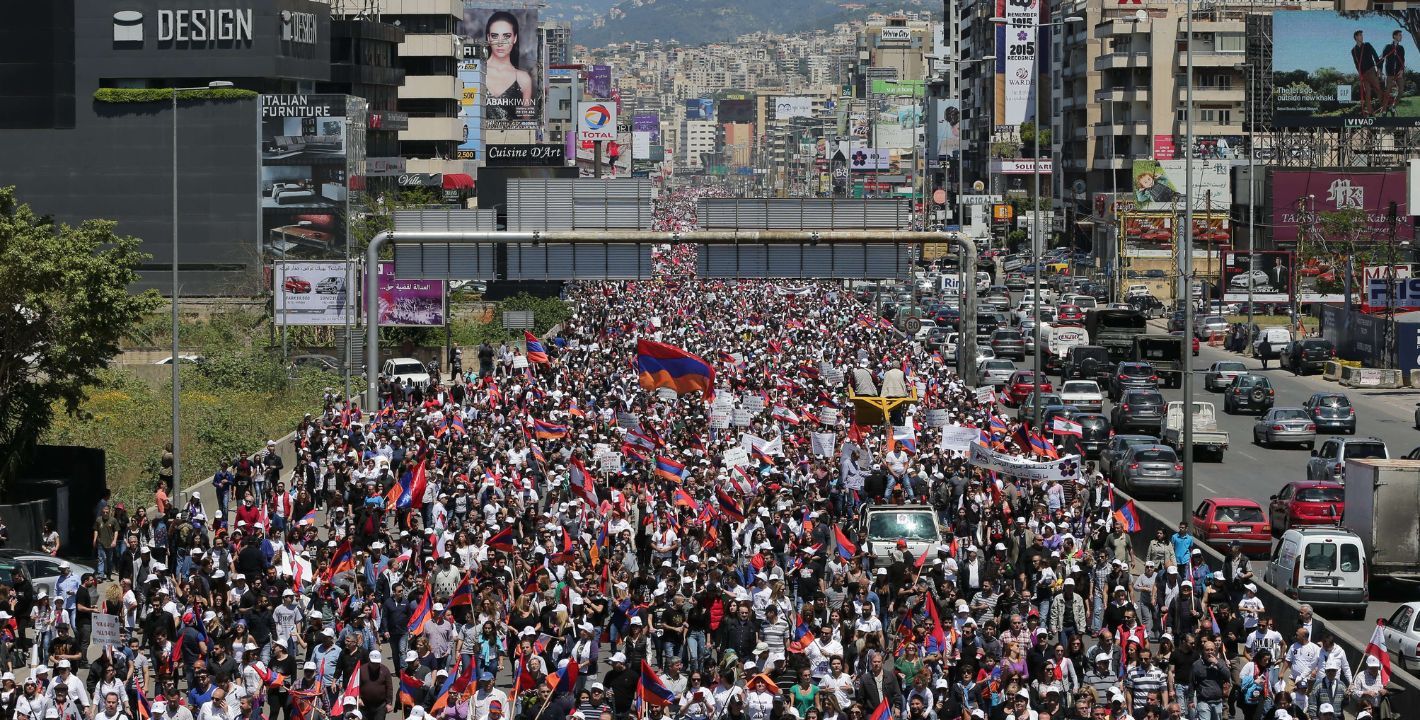
The community’s contributions to Armenia should encourage greater assistance from Yerevan.
Araz Bedross, Karni Keushgerian