

Paper
Adam Baczko, Gilles Dorronsoro, Arthur Quesnay
{
  "authors": [
    "Gilles Dorronsoro"
  ],
  "type": "legacyinthemedia",
  "centerAffiliationAll": "dc",
  "centers": [
    "Carnegie Endowment for International Peace",
    "Carnegie Europe"
  ],
  "collections": [],
  "englishNewsletterAll": "ctw",
  "nonEnglishNewsletterAll": "",
  "primaryCenter": "Carnegie Endowment for International Peace",
  "programAffiliation": "SAP",
  "programs": [
    "South Asia"
  ],
  "projects": [],
  "regions": [
    "South Asia",
    "Afghanistan",
    "Asia"
  ],
  "topics": [
    "Security",
    "Military",
    "Foreign Policy"
  ]
}
Source: Getty
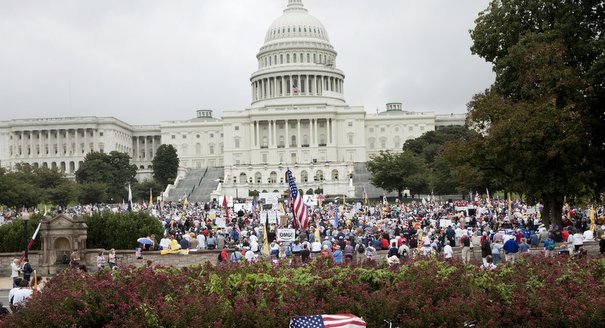
The disclosure of thousands of classified military documents reveals a darker picture of the war in Afghanistan that is likely to increase public opposition to the war.
Source: The New York Times

Still, the general public now has a better understanding of the day-to-day conflict that is playing out across Afghanistan. What’s clear is that the level of improvisation and — to be frank — disorganization is striking. U.S. troops have never been completely comfortable with this war, and the learning curve has not been as impressive as hoped.
The debate in Washington has focused on counterinsurgency and the big picture, but these documents show that complex policies are not going to work because no one knows how to implement them on the ground. It’s also clear that the Taliban are much more aggressive and well organized than the coalition was prepared to recognize.
The incidents detailed in the documents could put further pressure on the coalition. Accusations of war crimes are possible. And public opinion in the United States and Europe will be more opposed to the war. The leak reveals what war is — a confused and dirty exercise where goals can be quickly lost in the confusion of an actual fight.
Former Nonresident Scholar, South Asia Program
Dorronsoro’s research focuses on security and political development in Afghanistan. He was a professor of political science at the Sorbonne in Paris and the Institute of Political Studies of Rennes.
Recent Work
Adam Baczko, Gilles Dorronsoro, Arthur Quesnay
Gilles Dorronsoro
Carnegie does not take institutional positions on public policy issues; the views represented herein are those of the author(s) and do not necessarily reflect the views of Carnegie, its staff, or its trustees.

By failing to address Palestinian representation, the current process is bound to lead to just another temporary arrangement.

Nathan J. Brown

The armed forces champion a form of capitalism that is generating revenue, but its reliance on rent faces diminishing returns, leaving the country with massive sunk costs and deferred returns, deepening dependency on external borrowing.

Yezid Sayigh

Just look at Iraq in 1991.

Marwan Muasher

A coalition of states is seeking to avert a U.S. attack, and Israel is in the forefront of their mind.

Michael Young

Baku may allow radical nationalists to publicly discuss “reunification” with Azeri Iranians, but the president and key officials prefer not to comment publicly on the protests in Iran.

Bashir Kitachaev