

Research
- +6
Yasmine Farouk, Nathan J. Brown, Maysaa Shuja Al-Deen, …
{
  "authors": [
    "Michele Dunne"
  ],
  "type": "legacyinthemedia",
  "centerAffiliationAll": "dc",
  "centers": [
    "Carnegie Endowment for International Peace",
    "Malcolm H. Kerr Carnegie Middle East Center"
  ],
  "collections": [
    "Arab Awakening"
  ],
  "englishNewsletterAll": "menaTransitions",
  "nonEnglishNewsletterAll": "",
  "primaryCenter": "Carnegie Endowment for International Peace",
  "programAffiliation": "MEP",
  "programs": [
    "Middle East"
  ],
  "projects": [],
  "regions": [
    "North Africa",
    "Egypt",
    "Tunisia"
  ],
  "topics": [
    "Political Reform",
    "Foreign Policy"
  ]
}
Source: Getty
In the wake of the protests in Tunisia and Egypt, the United States has an opportunity to assist countries transition into stable democracies and to pressure allies in the Arab world to implement reforms before it is too late.
Source: MSNBC
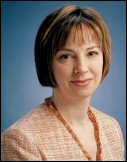
Any substantial change in Egypt could portend a tectonic shift throughout the region, Michele Dunne said on MSNBC’s Dylan Ratigan Show. The grievances fueling the tumult in Egypt—unemployment, corruption, authoritarianism, and meaningless elections—are shared by citizens of many Arab states. There is an increasing gap between Arab governments and their citizens, Dunne warned.
Meanwhile, as the United States engages with Arab governments on geostrategic issues, its efforts to press for democratization and human rights have often been tepid, Dunne said. She noted that "the events in Tunisia and Egypt offer the United States the chance to assist countries in transition to becoming stable democracies." Moreover, she added, these events offer the United States the opportunity to pressure other allies to implement reforms before it is too late.

Former Nonresident Scholar, Middle East Program
Michele Dunne was a nonresident scholar in Carnegie’s Middle East Program, where her research focuses on political and economic change in Arab countries, particularly Egypt, as well as U.S. policy in the Middle East.
Recent Work



Yasmine Farouk, Nathan J. Brown, Maysaa Shuja Al-Deen, …
Robert Springborg, Emile Hokayem, Becca Wasser, …
Carnegie does not take institutional positions on public policy issues; the views represented herein are those of the author(s) and do not necessarily reflect the views of Carnegie, its staff, or its trustees.
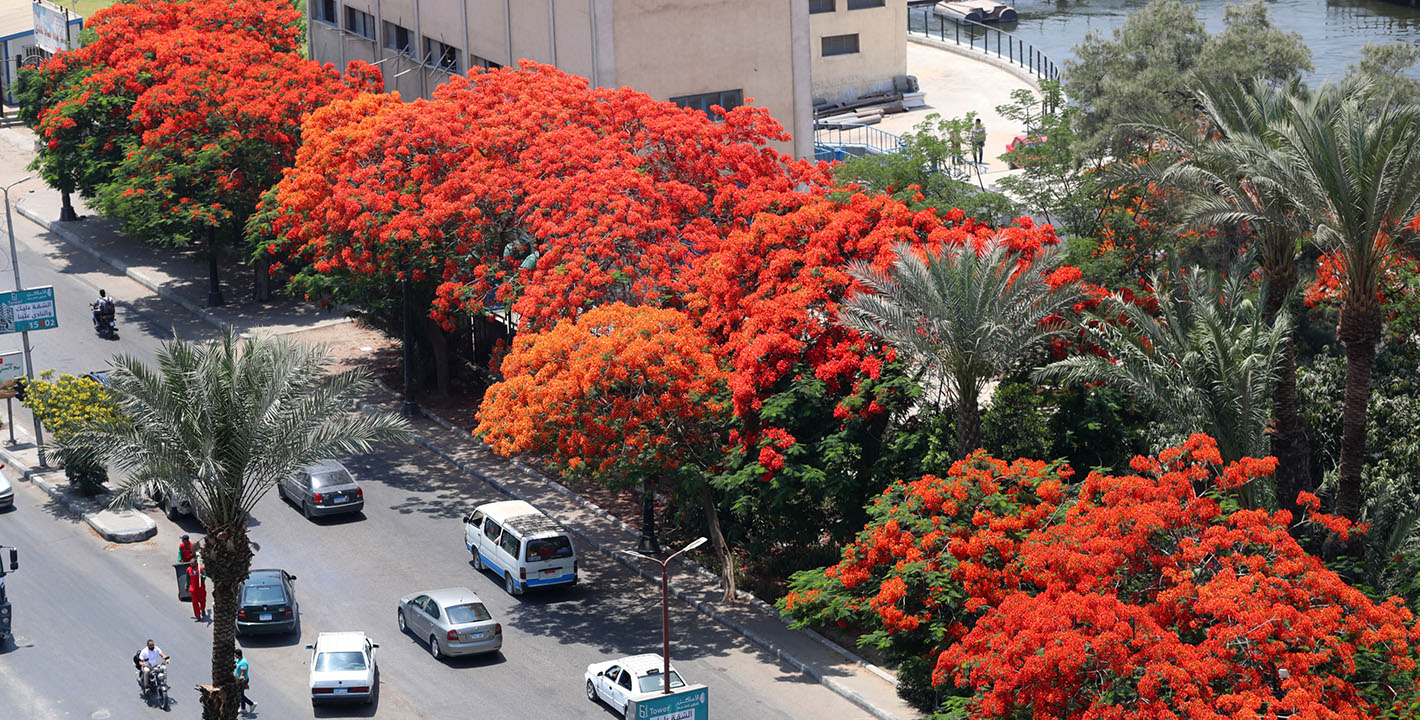
In Egypt’s dense cities, the disappearance of foliage has health implications and punishes daily commuters.

Angie Omar

Huawei pushed hard to enter the Egyptian data centers market, until the Americans made a better offer.
Angie Omar

By failing to address Palestinian representation, the current process is bound to lead to just another temporary arrangement.
Nathan J. Brown

The armed forces champion a form of capitalism that is generating revenue, but its reliance on rent faces diminishing returns, leaving the country with massive sunk costs and deferred returns, deepening dependency on external borrowing.

Yezid Sayigh
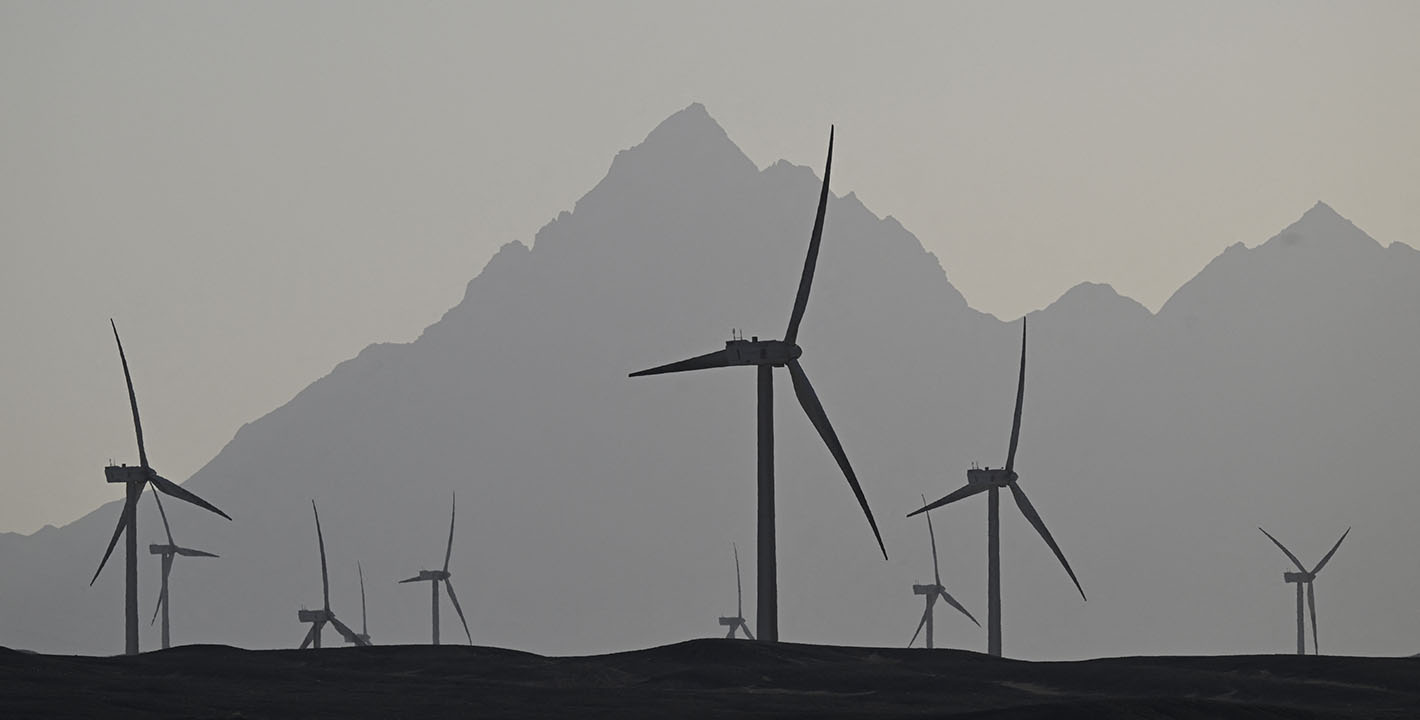
There is a disturbing structural parallel between the old global energy economy and the new green transition.
Angie Omar