

Commentary
Thomas de Waal
{
  "authors": [
    "Thomas de Waal"
  ],
  "type": "legacyinthemedia",
  "centerAffiliationAll": "dc",
  "centers": [
    "Carnegie Endowment for International Peace",
    "Carnegie Europe",
    "Carnegie Russia Eurasia Center"
  ],
  "collections": [],
  "englishNewsletterAll": "ctw",
  "nonEnglishNewsletterAll": "",
  "primaryCenter": "Carnegie Europe",
  "programAffiliation": "russia",
  "programs": [
    "Russia and Eurasia"
  ],
  "projects": [],
  "regions": [
    "Caucasus",
    "Russia"
  ],
  "topics": [
    "Security"
  ]
}
Source: Getty
The North Caucasus has a long history of conflict with the Russian state and it will take years, if not decades, for the region to become stable and economically viable enough to undermine radicalization among its marginalized inhabitants.
Source: CBC News

Yes. This is a very complex problem whose roots date back to at least 1994, the date of the disastrous and bloody Russian military intervention in Chechnya. That set in train two wars in Chechnya and the loss of tens of thousands of lives, most of them civilians.
Moscow has more or less pacified Chechnya, but in 2009, the Russian federal security forces still lost more than 300 men in the wider North Caucasus region — more than the U.S. has lost in Afghanistan or Iraq. And since 2002, the year of the terrorist raid on the Moscow theatre, North Caucasian militants have attacked soft targets outside their home region and in the rest of Russia. The Russian government has made a lot of tactical decisions in this region, and a lot of bad ones, but it still looks as though it lacks an overall strategy.
Since around 2003, the policy has been to pull back most ethnic Russian soldiers, hand off control to local pro-Moscow leaders and declare the conflict won. Now, Chechnya is ruled by an extravagant 34-year-old mini-despot named Ramzan Kadyrov who has near-total control of the region and is enforcing many features of Islamic rule but who is left alone by Putin and Medvedev because he swears loyalty to them.
So, this is very much a case now of the tail wagging the dog, and Putin and Medvedev find it hard to exercise central control over the region.
This is a region with a long history of conflict with the Russian state, stretching back into the long colonial wars of the 19th century when the tsars sought to conquer the mountains of the North Caucasus and the Islamic peoples who lived there and resisted them.
In 1944, Stalin deported four of the nations of this region en masse — down to the last child and infant — to Central Asia, killing tens of thousands of people in the process. They were only allowed to return home in 1957. The Chechens were the largest of these national groups. So, there is a difficult history there. Having said that, I believe war could have been avoided in 1994 if the then government of Boris Yeltsin had met the Chechen pro-independence movement halfway, not granting them full independence but giving them proper respect for their national aspirations.
The tactic of the militants, like many other terrorist movements, is to remind their enemies in as graphic and bloody a way as possible that they exist. They say, 'You can succeed many times, but we only need to succeed once.' And the problem for Russia is that it is so big, so multi-ethnic and so corrupt that it is impossible to monitor all possible suspects and to maintain absolute security in all public places. The rather depressed look of the Russian leaders must reflect their sense of powerlessness in the face of this problem.
The 2014 Sochi Olympics are a big challenge for Russia, being held on the Black Sea coast not far from the ongoing violence of the North Caucasus. That is a huge security headache, and I don't believe they can cope with it without enlisting very extensive international support. But there is no way that Russia will back out of the Olympics now. For better or worse, everyone involved has a stake in making them work.
There is certainly no short-term solution to the ongoing violence in the North Caucasus. The best thing that can be said about the conflict is that the militants do not enjoy widespread support. Most of the population is not so radical and wants to get on with their lives.
But there is now what looks like a permanent radical minority who have the means and the will to carry on perpetrating acts of violence and terror like this. And it will take years, if not decades, to make the region more stable and economically viable to persuade marginalized people that it is not worth their while joining the insurgency.

Senior Fellow, Carnegie Europe
Thomas de Waal is a senior fellow at Carnegie Europe, specializing in Eastern Europe and the Caucasus.
Recent Work
Thomas de Waal
Thomas de Waal
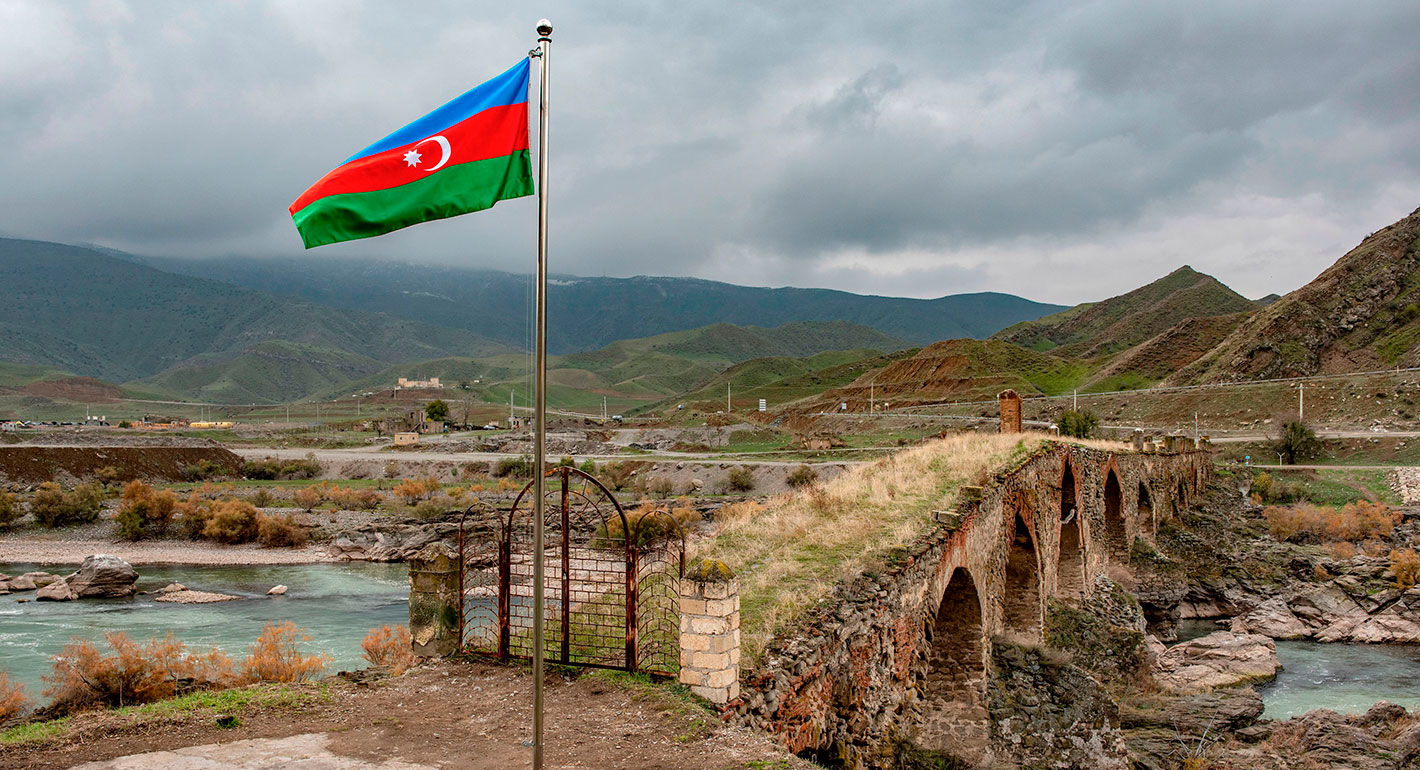
In an interview, Sergei Melkonian discusses Armenia’s and Azerbaijan’s careful balancing act among the United States, Israel, and Iran.

Armenak Tokmajyan

Just look at Iraq in 1991.

Marwan Muasher

Baku may allow radical nationalists to publicly discuss “reunification” with Azeri Iranians, but the president and key officials prefer not to comment publicly on the protests in Iran.

Bashir Kitachaev
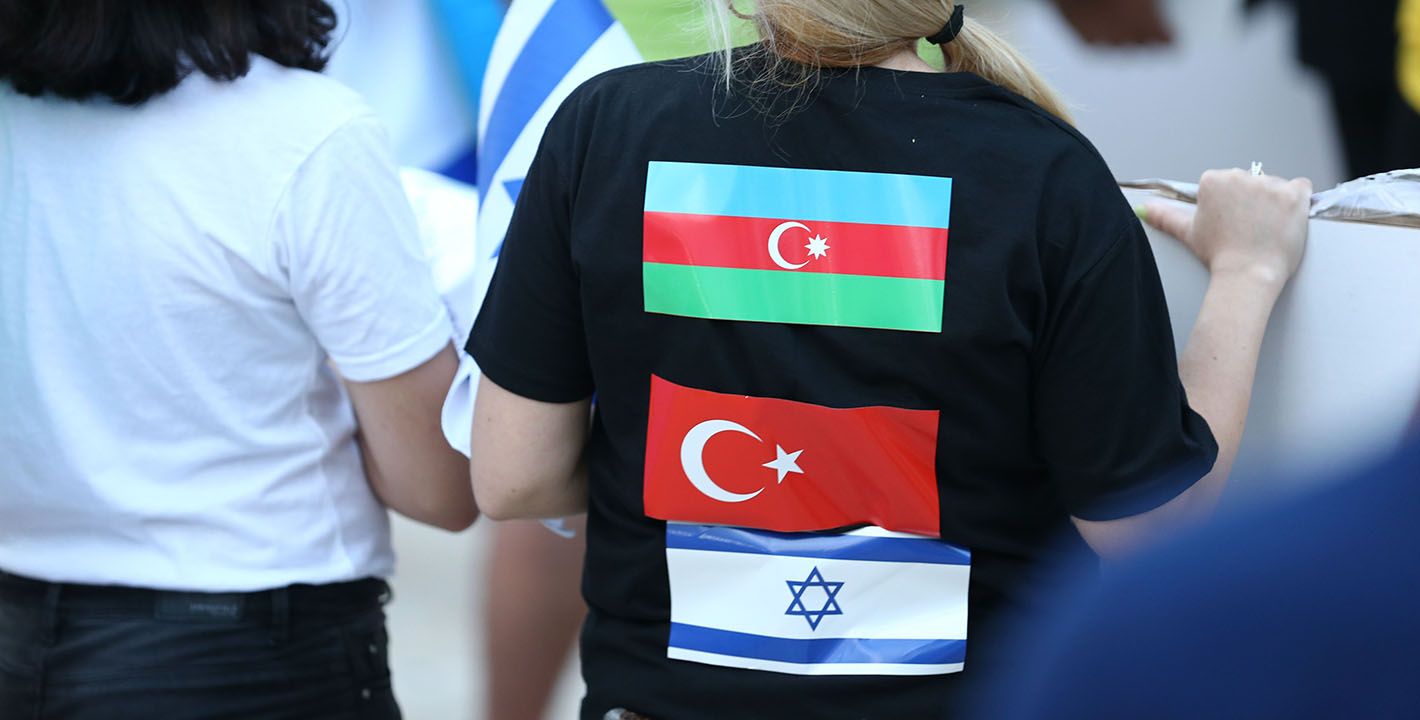
The country’s leadership is increasingly uneasy about multiple challenges from the Levant to the South Caucasus.
Armenak Tokmajyan
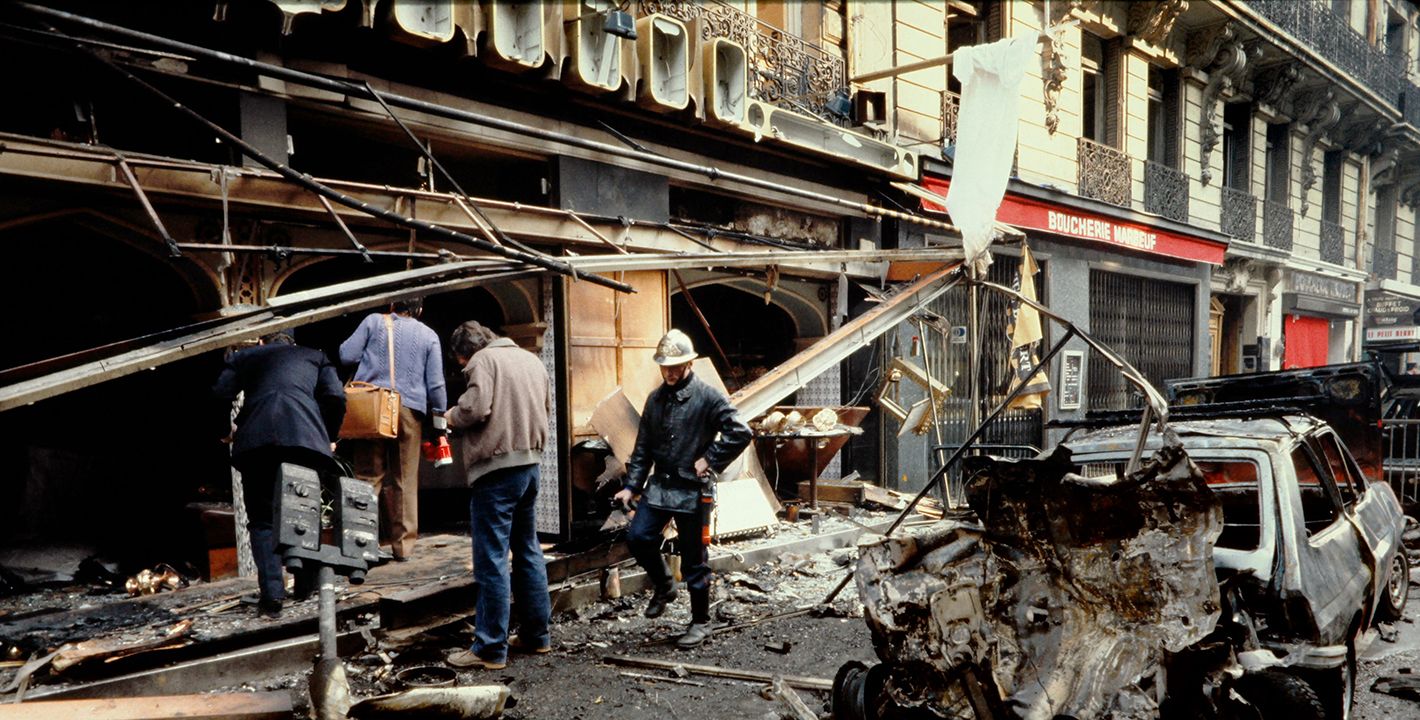
In an interview, Daniela Richterova speaks about her book on Czechoslovakia’s Cold War ties to Palestinian groups and others.

Michael Young