

Commentary
In Egypt’s dense cities, the disappearance of foliage has health implications and punishes daily commuters.
Angie Omar
{
  "authors": [],
  "type": "other",
  "centerAffiliationAll": "",
  "centers": [
    "Carnegie Endowment for International Peace",
    "Malcolm H. Kerr Carnegie Middle East Center"
  ],
  "collections": [
    "Arab Awakening"
  ],
  "englishNewsletterAll": "",
  "nonEnglishNewsletterAll": "",
  "primaryCenter": "Carnegie Endowment for International Peace",
  "programAffiliation": "",
  "programs": [],
  "projects": [],
  "regions": [
    "North Africa",
    "Egypt"
  ],
  "topics": [
    "Political Reform",
    "Foreign Policy"
  ]
}
Source: Getty
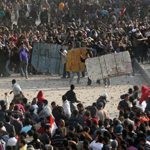
The recent escalation of violence in Egypt due to government-organized thugs acting against peaceful demonstrators indicates that President Mubarak cannot be entrusted with overseeing the country's orderly transition to democracy.
Source: February 3

Although President Mubarak has indicated his intention of remaining in office until the presidential election in September, it is the Working Group’s conclusion that the sooner Mubarak leaves office, the sooner Egypt can begin a peaceful transition to a democratic government that respects human rights. The United States government should affirm the urgency of this transition by explicitly stating that, after today's violence, it is clear that Mubarak has no place in a process leading to meaningful political change. Unless this conflict is resolved immediately and decisively, it will undermine the prospects for a peaceful transition period in Egypt. Such a transition must include a broad spectrum of opposition forces and lead to free and fair elections for the presidency and parliament and absolute respect for freedom of speech, press, and assembly.
Until unrestrained thug violence began on February 1, the Working Group was hopeful that the Egyptian military would play a positive role in safeguarding a peaceful transition. If the government continues to employ such violence, the United States should immediately freeze all military assistance to Egypt. We endorse President Obama's call for an immediate start to the process of democratic transition and hope that all forces in Egypt committed to that goal meet their responsibilities by joining in this vital effort now.
The Working Group on Egypt is a nonpartisan initiative bringing substantial expertise on Egyptian politics and political reform, and aimed at ensuring that Egypt’s elections are free and fair and open to opposition candidates.
Carnegie does not take institutional positions on public policy issues; the views represented herein are those of the author(s) and do not necessarily reflect the views of Carnegie, its staff, or its trustees.
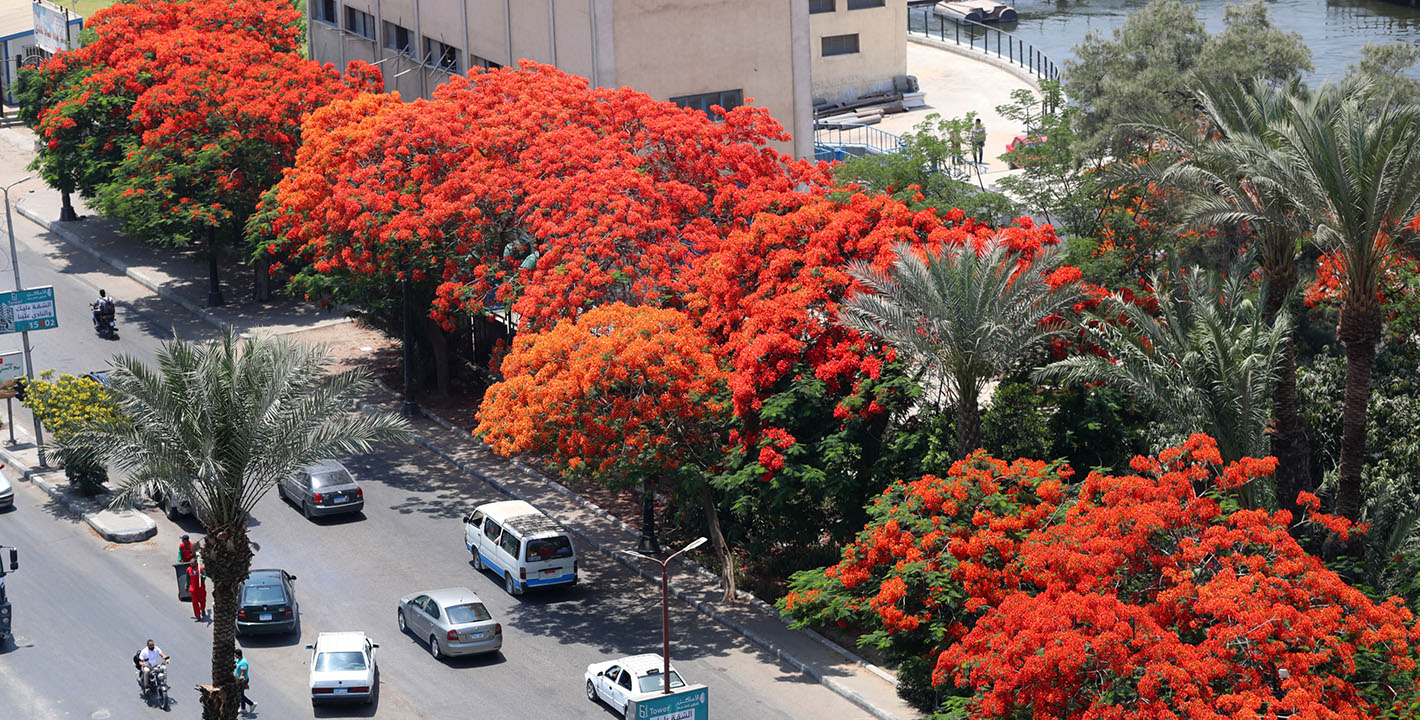
In Egypt’s dense cities, the disappearance of foliage has health implications and punishes daily commuters.

Angie Omar

Huawei pushed hard to enter the Egyptian data centers market, until the Americans made a better offer.
Angie Omar

By failing to address Palestinian representation, the current process is bound to lead to just another temporary arrangement.

Nathan J. Brown

The armed forces champion a form of capitalism that is generating revenue, but its reliance on rent faces diminishing returns, leaving the country with massive sunk costs and deferred returns, deepening dependency on external borrowing.

Yezid Sayigh
There is a disturbing structural parallel between the old global energy economy and the new green transition.
Angie Omar