

Article
Thomas Carothers
{
  "authors": [
    "Thomas Carothers"
  ],
  "type": "legacyinthemedia",
  "centerAffiliationAll": "dc",
  "centers": [
    "Carnegie Endowment for International Peace",
    "Malcolm H. Kerr Carnegie Middle East Center"
  ],
  "collections": [
    "Arab Awakening",
    "Democracy and Governance"
  ],
  "englishNewsletterAll": "democracy",
  "nonEnglishNewsletterAll": "",
  "primaryCenter": "Carnegie Endowment for International Peace",
  "programAffiliation": "DCG",
  "programs": [
    "Democracy, Conflict, and Governance"
  ],
  "projects": [],
  "regions": [
    "Middle East",
    "North Africa",
    "Egypt",
    "Gulf",
    "Levant",
    "Maghreb"
  ],
  "topics": [
    "Political Reform",
    "Democracy",
    "Foreign Policy"
  ]
}
Source: Getty
U.S. ambivalence toward the popular democratic outbursts of the Arab Spring stems from Washington’s economic and security concerns in the region.
Source: Foreign Policy Association
Speaking with the Foreign Policy Association, Carnegie’s Thomas Carothers explained that one of the most striking things about the Arab Spring is the ambivalence felt by the United States toward this popular democratic outburst, esepcially in comparison to similar democratic uprisings in other regions of the world. He explained that this ambivalence is the result of Washington's numerous economic and security concerns that could be affected by the democratic developments in the Middle East and North Africa.

Harvey V. Fineberg Chair for Democracy Studies; Senior Fellow, Democracy, Conflict, and Governance Program
Thomas Carothers, a senior fellow in the Carnegie Endowment for International Peace’s Democracy, Conflict, and Governance Program, is a leading expert on comparative democratization and international support for democracy.
Recent Work
Thomas Carothers
Thomas Carothers
Carnegie does not take institutional positions on public policy issues; the views represented herein are those of the author(s) and do not necessarily reflect the views of Carnegie, its staff, or its trustees.
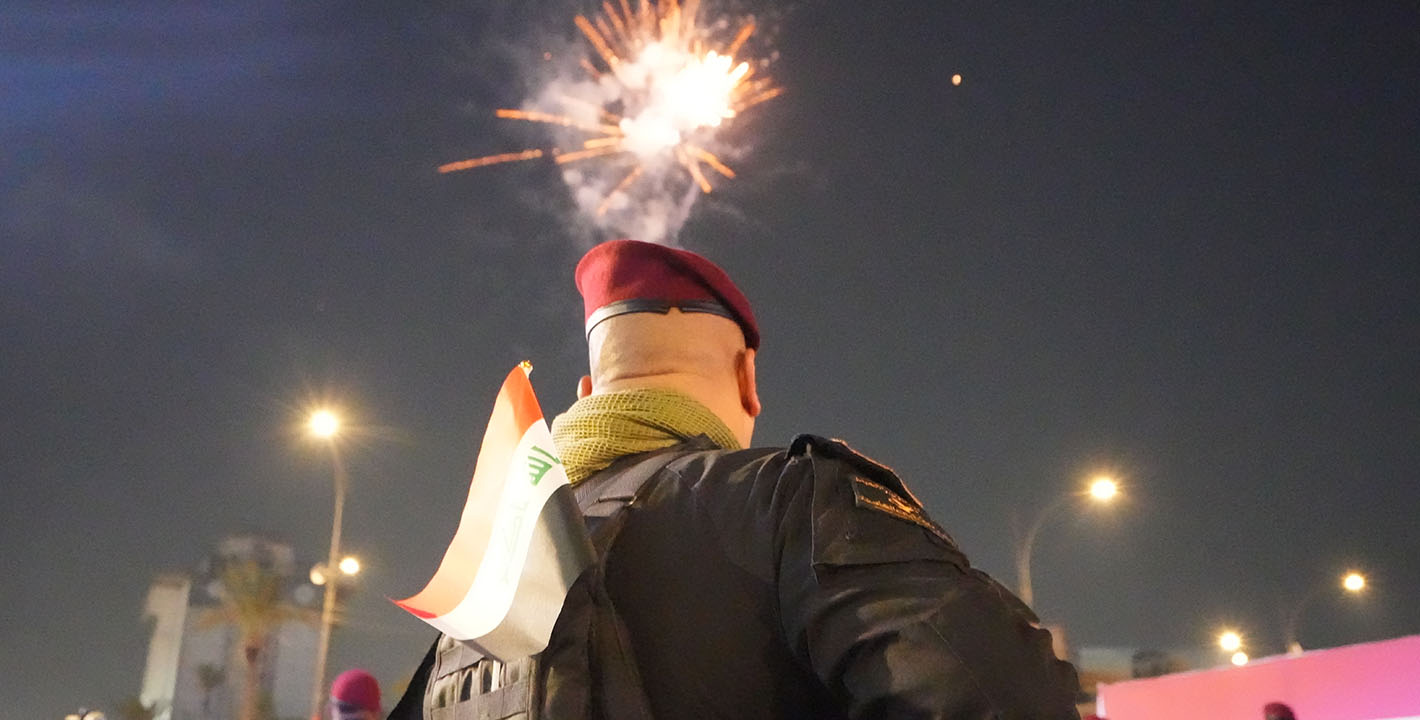
As the U.S.-led Coalition withdraws, the Kurds’ reliance on Baghdad, and on themselves, will only increase.
Wladimir van Wilgenburg

In an interview, Ian Lustick and Eli Clifton discuss their new book on why a prominent ally has so much influence in America.

Michael Young

As the U.S. stumbles in its war with Iran, we are likely to see an acceleration of its disengagement from the region.
Michael Young
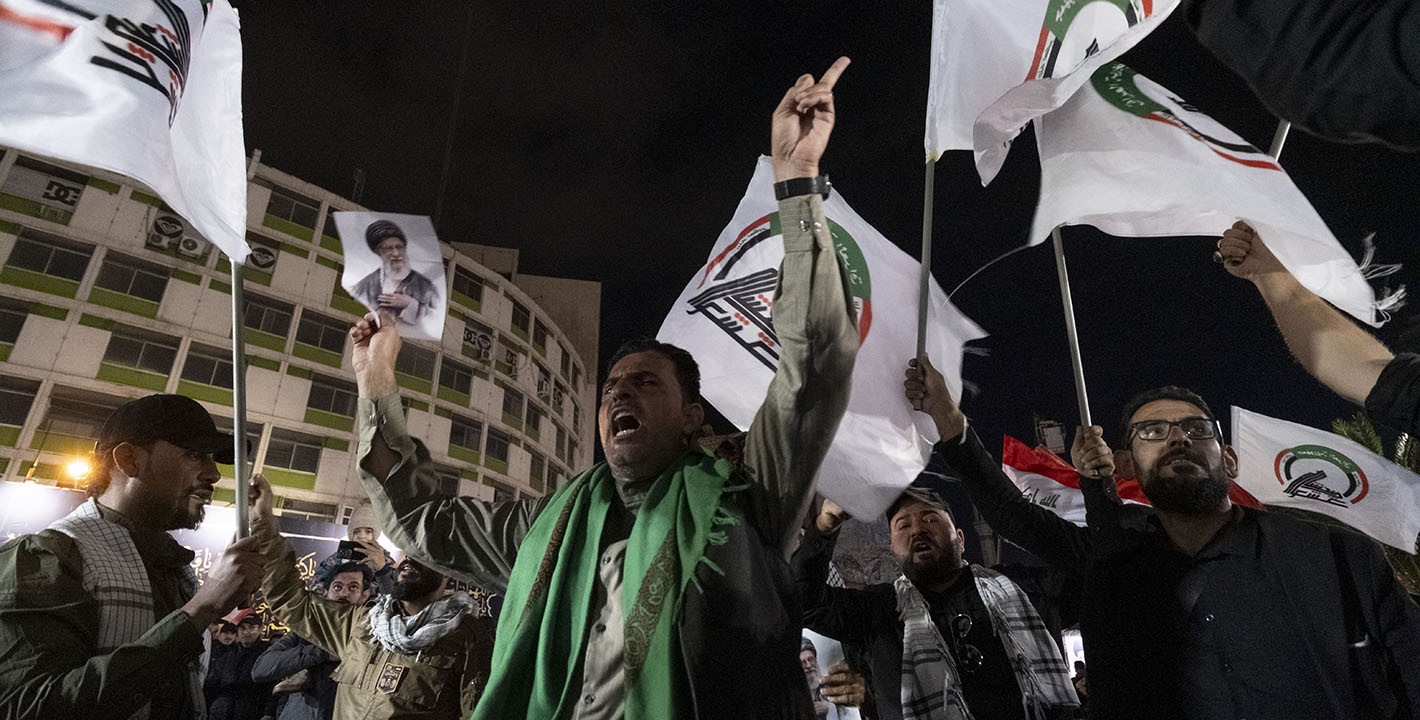
The Zaidi government’s objective to collect weapons is constrained by regional conflict, but it can take certain measures at home.
Ali Al-Mawlawi

Middle Eastern states should welcome an accelerated U.S. disengagement from their region.
Michael Young