

Article
Marina Ottaway, Omar Hossino
{
  "authors": [
    "Marina Ottaway"
  ],
  "type": "legacyinthemedia",
  "centerAffiliationAll": "dc",
  "centers": [
    "Carnegie Endowment for International Peace"
  ],
  "collections": [
    "Arab Awakening"
  ],
  "englishNewsletterAll": "menaTransitions",
  "nonEnglishNewsletterAll": "",
  "primaryCenter": "Carnegie Endowment for International Peace",
  "programAffiliation": "MEP",
  "programs": [
    "Middle East"
  ],
  "projects": [],
  "regions": [
    "Middle East",
    "North Africa",
    "Egypt",
    "Tunisia"
  ],
  "topics": [
    "Political Reform"
  ]
}
Source: Getty
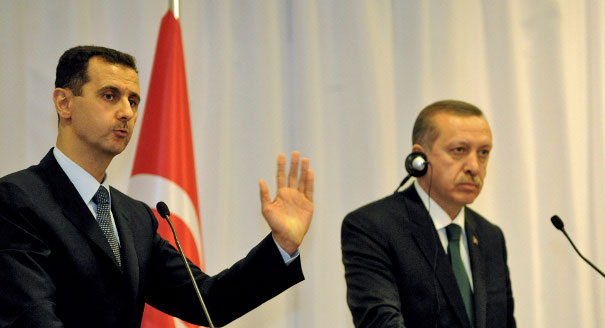
Iran, Saudi Arabia, and Turkey are likely to have little influence over the final outcome of the Arab Spring. Instead, the course of political transformation across the Middle East will be determined by domestic actors.
Source: International Relations and Security Network

Iran, Saudi Arabia, and Turkey are all important components of the geopolitical configuration of the region and have different views on the Arab uprisings, Ottaway continued. Each of these countries has been supportive of uprisings in some countries and wary of revolts in others. Despite their strength and influence in the region Iran, Saudi Arabia, and Turkey “will not be the main factor in shaping the outcome of the Arab uprisings. These are domestic political battles and foreign actors will only have a marginal impact in what happens in countries in transition in the Arab world,” concluded Ottaway.

Former Senior Associate, Middle East Program
Before joining the Endowment, Ottaway carried out research in Africa and in the Middle East for many years and taught at the University of Addis Ababa, the University of Zambia, the American University in Cairo, and the University of the Witwatersrand in South Africa.
Recent Work
Marina Ottaway, Omar Hossino
Marina Ottaway
Carnegie does not take institutional positions on public policy issues; the views represented herein are those of the author(s) and do not necessarily reflect the views of Carnegie, its staff, or its trustees.

As the U.S. stumbles in its war with Iran, we are likely to see an acceleration of its disengagement from the region.

Michael Young

The accord represents a pivotal moment in the region to avert a security vacuum in the Gulf.


Azeema Cheema, Mohanad Hage Ali

In an interview, Jason Burke discusses his sweeping account of the “revolutionists” who so shaped the 1970s and early 1980s.
Michael Young

The armed forces champion a form of capitalism that is generating revenue, but its reliance on rent faces diminishing returns, leaving the country with massive sunk costs and deferred returns, deepening dependency on external borrowing.

Yezid Sayigh
This will be the region’s most representative tournament, amid broad changes in its footballing landscape.

Issam Kayssi