

Article
Marc Pierini
{
  "authors": [
    "Marc Pierini"
  ],
  "type": "legacyinthemedia",
  "centerAffiliationAll": "",
  "centers": [
    "Carnegie Endowment for International Peace",
    "Carnegie Europe",
    "Malcolm H. Kerr Carnegie Middle East Center"
  ],
  "collections": [
    "Turkey’s Transformation"
  ],
  "englishNewsletterAll": "",
  "nonEnglishNewsletterAll": "",
  "primaryCenter": "Carnegie Europe",
  "programAffiliation": "",
  "programs": [],
  "projects": [],
  "regions": [
    "Middle East",
    "Europe",
    "Türkiye"
  ],
  "topics": []
}
Source: Getty
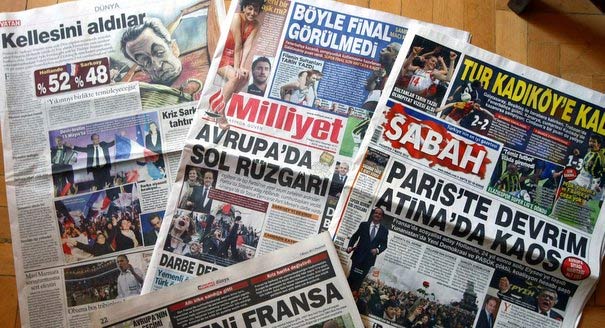
Many recent official and civil society reports attest to a deteriorating trend in press freedom in Turkey.
Source: Hurriyet Daily News

Issues are many. The Kurdish dimension of the press freedom issue manifests itself in the amount of Kurdish journalists charged and imprisoned for their work. The media scene witnesses regular conflicts of interests between business and press freedom. The legal framework, especially the anti-terror and media laws and the criminal code, as well as the administration of justice, are marked by flaws. Furthermore, there is an extensive blocking of websites. Last, the government showed an increased inclination to interfere in journalists’ affairs and a decreasing tolerance for dissent. All this has a “chilling effect” on press freedom, including self-censorship.
Yet, the government’s fight against terrorism, while entirely legitimate, has resulted in widespread restrictions on press freedom and abuses of inpidual liberties. There is also more pressure on journalists today than before, corresponding to the increased polarization of Turkish society between secularists and conservatives and a lower tolerance for criticism and dissent.
As a result, Turkey’s shortcomings in press freedom have become a stain on its democratic credentials, something that cannot be addressed with plain denial. The political and economic reverberations of this credibility loss will affect Turkey’s ability to attract foreign direct investment as well as to sustain its attempt at a new, higher status in world affairs.
Despite all the current difficulties, internal and external, Turkey should address the press freedom issue. There are positive steps to be taken jointly with international partners:
In Turkey today, a few journalists raise tough issues at grave risk to themselves and end up being ostracized from society while the governing party advocates pluralism. Political statements acknowledging persity in Turkish society do not result in a truly open debate on the ways and means to organize coexistence and tolerance. Neither the government, nor the Parliament, nor civil society produces a more harmonious society. This results in deep frustrations at home and a sharply deteriorating image worldwide.
The issue of press freedom is not going to fade away. Therefore, a positive, constructive dialogue should be initiated with the involvement of all concerned: government, media, business, civil society organizations and international partners.
This article originally appeared in the Hurriyet Daily News.

Senior Fellow, Carnegie Europe
Marc Pierini is a senior fellow at Carnegie Europe, where his research focuses on developments in the Middle East and Turkey from a European perspective.
Recent Work
Marc Pierini
Marc Pierini
Carnegie does not take institutional positions on public policy issues; the views represented herein are those of the author(s) and do not necessarily reflect the views of Carnegie, its staff, or its trustees.

The accord represents a pivotal moment in the region to avert a security vacuum in the Gulf.


Azeema Cheema, Mohanad Hage Ali
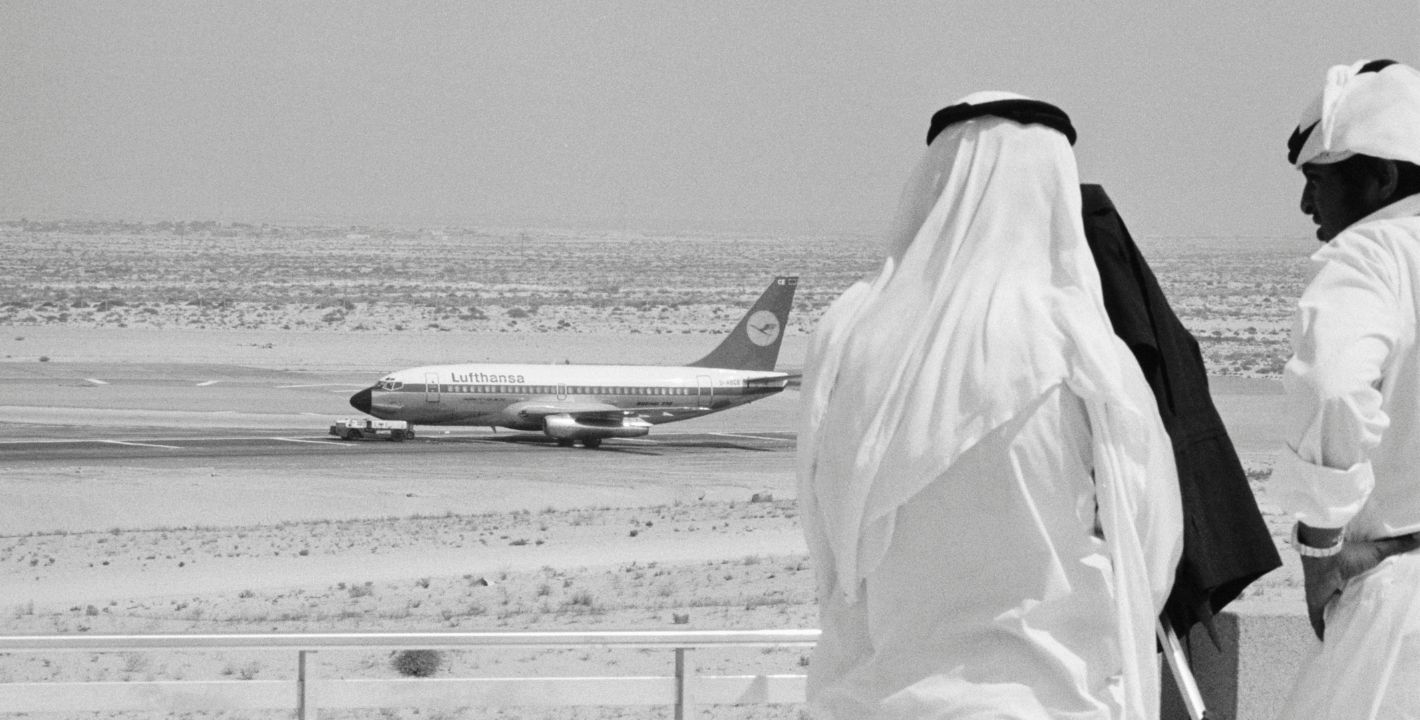
In an interview, Jason Burke discusses his sweeping account of the “revolutionists” who so shaped the 1970s and early 1980s.

Michael Young
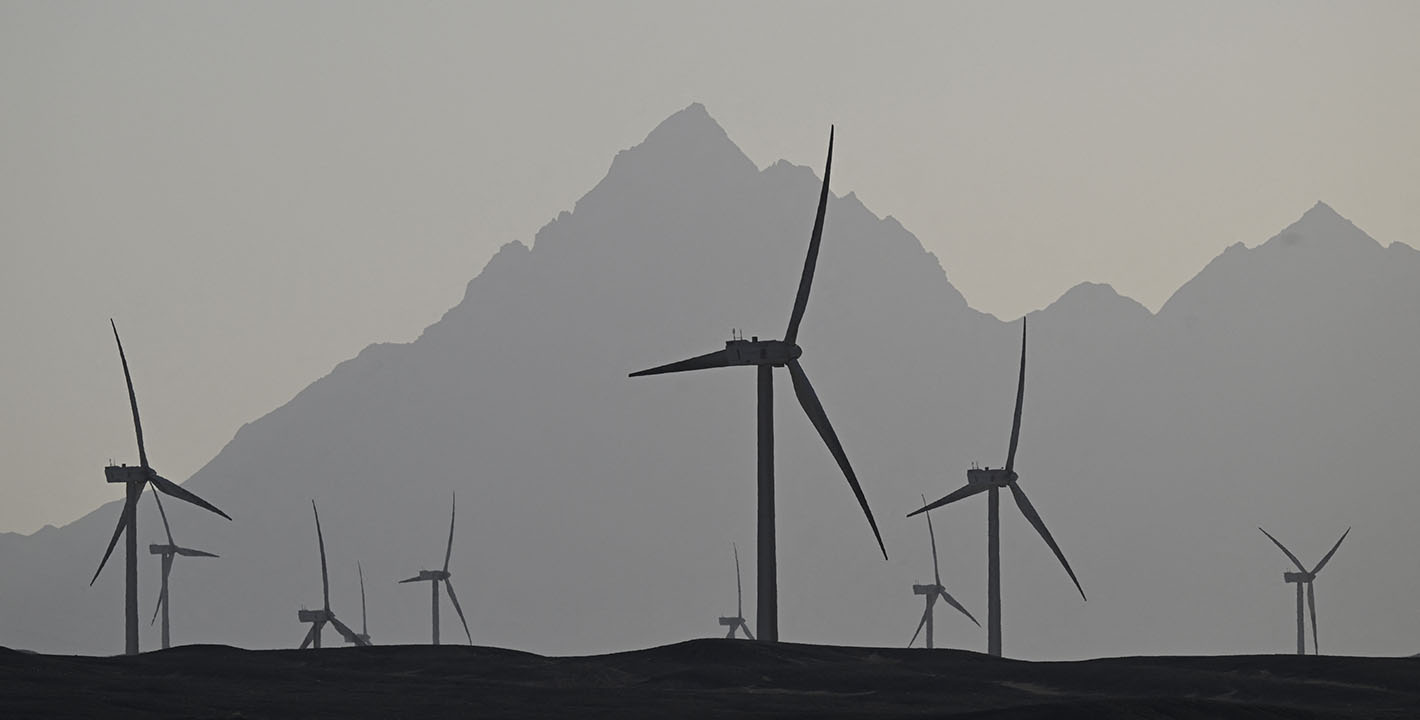
There is a disturbing structural parallel between the old global energy economy and the new green transition.

Angie Omar
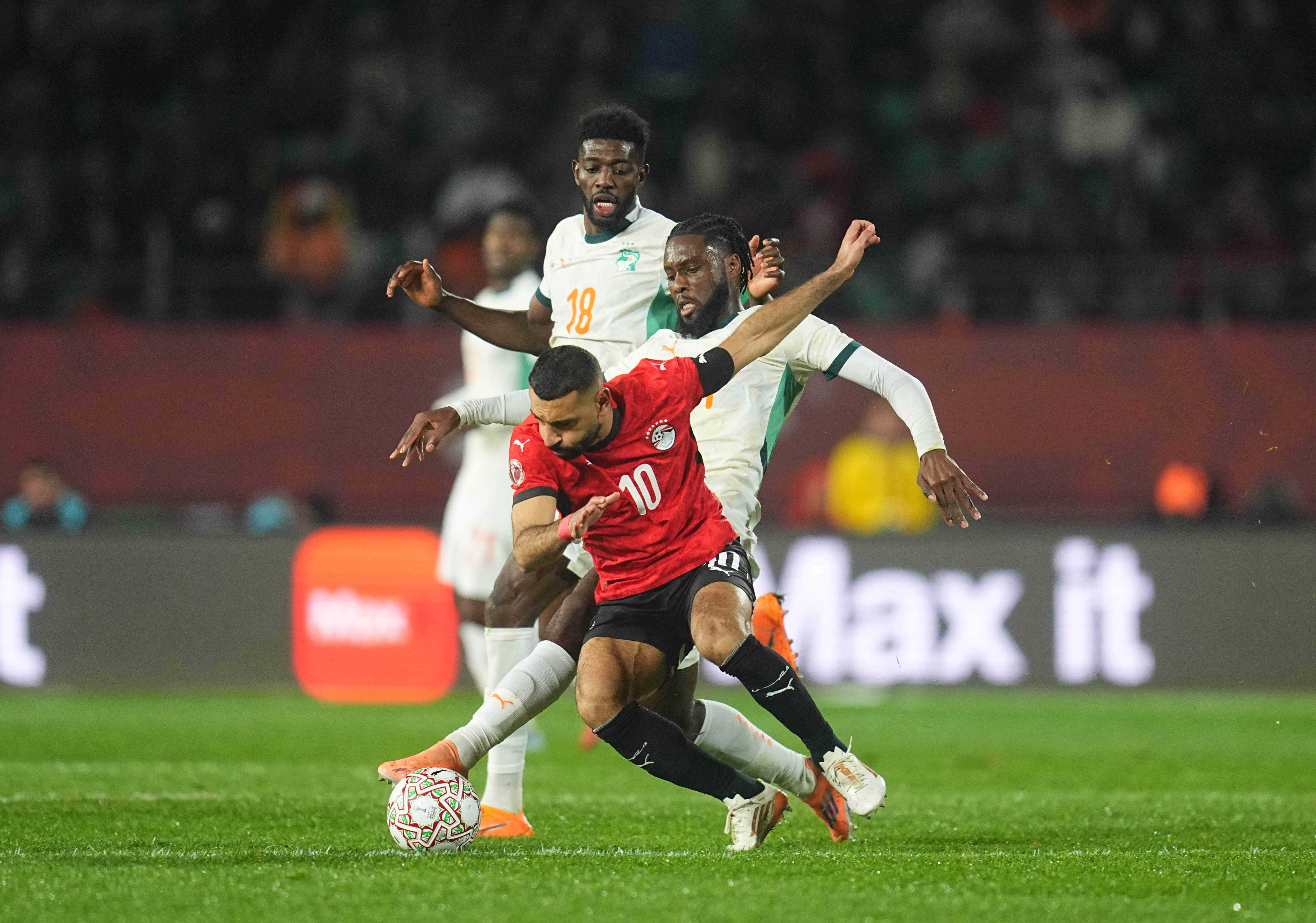
This will be the region’s most representative tournament, amid broad changes in its footballing landscape.
Issam Kayssi

Just look at Iraq in 1991.

Marwan Muasher