

Paper
Douglas H. Paal
{
  "authors": [
    "Douglas H. Paal"
  ],
  "type": "legacyinthemedia",
  "centerAffiliationAll": "dc",
  "centers": [
    "Carnegie Endowment for International Peace",
    "Carnegie China"
  ],
  "collections": [
    "China’s Foreign Relations",
    "U.S.-China Relations"
  ],
  "englishNewsletterAll": "asia",
  "nonEnglishNewsletterAll": "",
  "primaryCenter": "Carnegie Endowment for International Peace",
  "programAffiliation": "AP",
  "programs": [
    "Asia"
  ],
  "projects": [],
  "regions": [
    "East Asia",
    "China"
  ],
  "topics": [
    "Foreign Policy"
  ]
}
Source: Getty
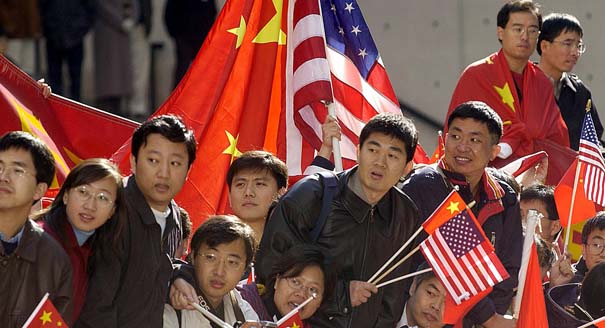
Building mutual trust between the United States and China will be a decades-long process that is dependent on good governance and each country's economic development.
Source: CCTV
Speaking to CCTV, Carnegie’s Douglas Paal said that mutual trust between China and the United States needs to be accomplished in a narrow, step-by-step fashion that builds a climate of trust over decades. This is an important period of opportunity for Asia, Paal said. After multiple political transitions, it is time for leaders to look to the future. Most effective diplomacy and governance is done without making dramatic headlines, Paal continued. Shared challenges like climate change and population dynamics will provide opportunities for the U.S. and China to work together.
The nature of U.S.-China relations will also be determined by the countries’ economic development, Paal added. Urbanization has the potential to propel the Chinese economy and the global economy forward, he said, while the United States faces an innovation challenge. When the American economy and American people are self-confident, they will look for friends instead of enemies abroad, Paal concluded.
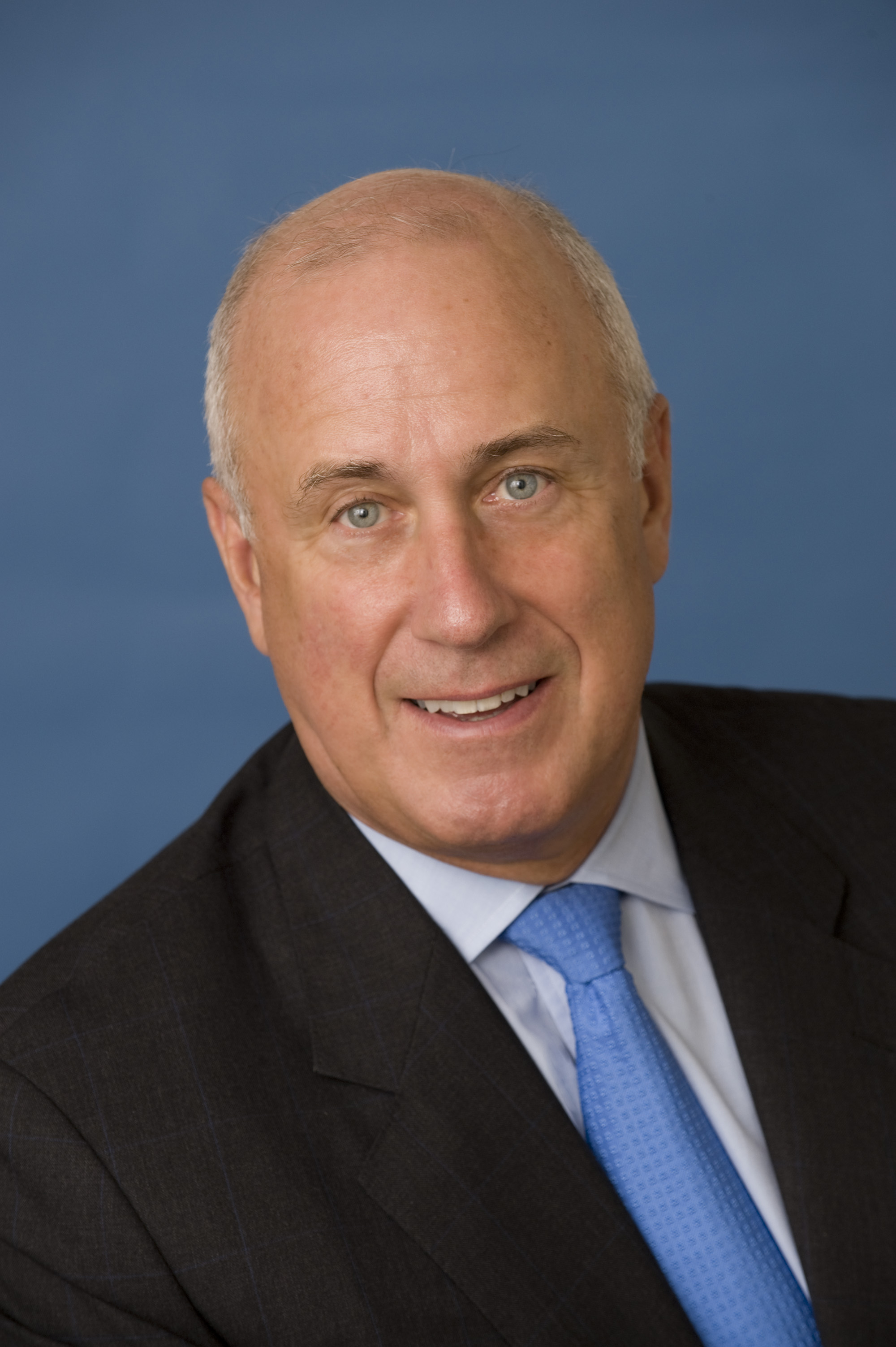
Distinguished Fellow, Asia Program
Paal previously served as vice chairman of JPMorgan Chase International and as unofficial U.S. representative to Taiwan as director of the American Institute in Taiwan.
Recent Work
Douglas H. Paal

Douglas H. Paal, Tong Zhao, Chen Qi, …
Carnegie does not take institutional positions on public policy issues; the views represented herein are those of the author(s) and do not necessarily reflect the views of Carnegie, its staff, or its trustees.

Just look at Iraq in 1991.

Marwan Muasher

A coalition of states is seeking to avert a U.S. attack, and Israel is in the forefront of their mind.

Michael Young

Baku may allow radical nationalists to publicly discuss “reunification” with Azeri Iranians, but the president and key officials prefer not to comment publicly on the protests in Iran.

Bashir Kitachaev
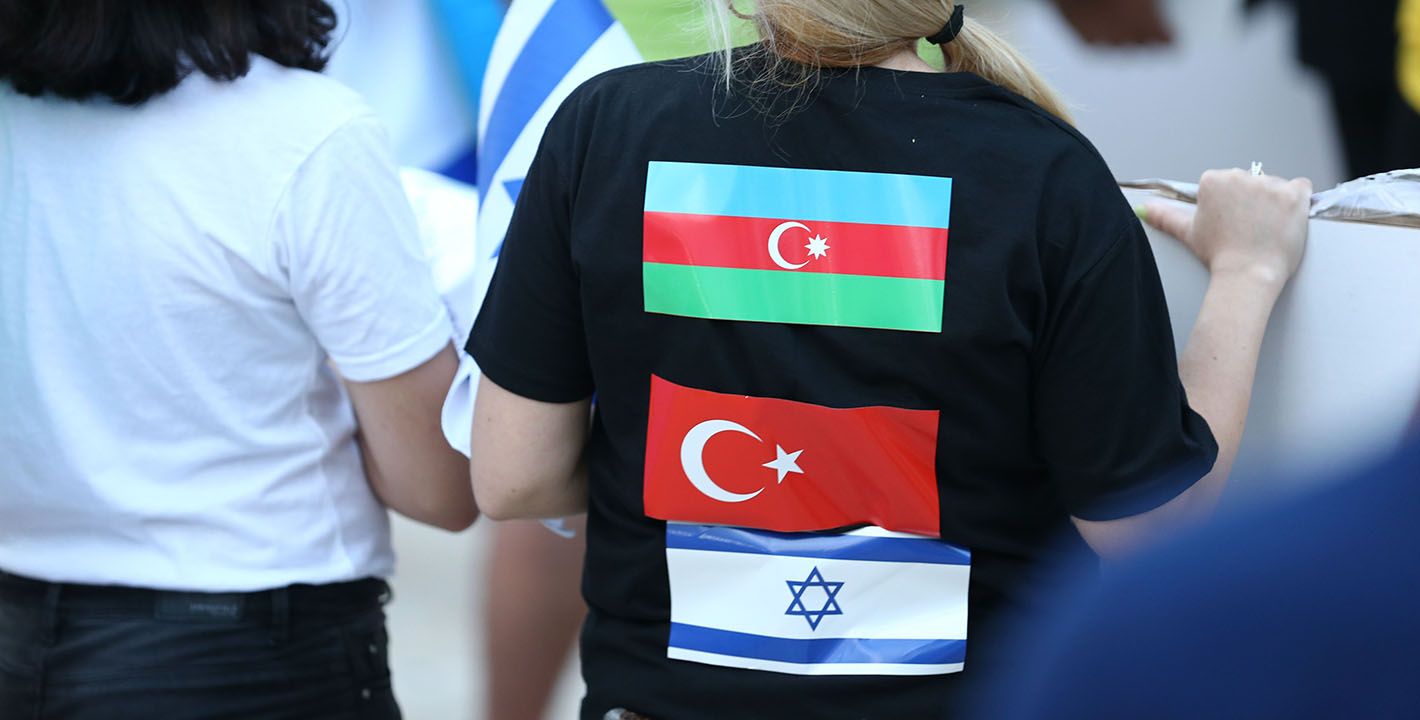
The country’s leadership is increasingly uneasy about multiple challenges from the Levant to the South Caucasus.

Armenak Tokmajyan
The countries of the region have engaged in sustained competition that has tested their capacities and limitations, while resisting domination by rivals. Can a more stable order emerge from this maelstrom, and what would it require?

Hamza Meddeb, Mohamed Ali Adraoui