

Research
- +6
Yasmine Farouk, Nathan J. Brown, Maysaa Shuja Al-Deen, …
{
  "authors": [
    "Anouar Boukhars"
  ],
  "type": "other",
  "centerAffiliationAll": "dc",
  "centers": [
    "Carnegie Endowment for International Peace"
  ],
  "collections": [],
  "englishNewsletterAll": "menaTransitions",
  "nonEnglishNewsletterAll": "",
  "primaryCenter": "Carnegie Endowment for International Peace",
  "programAffiliation": "MEP",
  "programs": [
    "Middle East"
  ],
  "projects": [],
  "regions": [
    "North Africa",
    "Mali"
  ],
  "topics": [
    "Political Reform",
    "Security",
    "Military"
  ]
}
Source: Getty
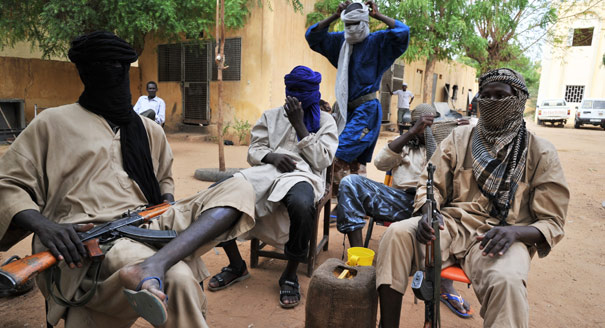
French military gains in northern Mali will be fruitless unless they are included in a comprehensive strategy that addresses the root causes of the conflict.
Source: FRIDE
When radical Islamists launched an offensive against the south of Mali, France had no choice but to intervene militarily. The success of the campaign, however, depends on a sound understanding of the complex dynamics of Mali’s internal conflict and fragility. To view the turmoil through the lens of Islamic radicalization only is a dangerous oversimplification. Equally misguided is the common characterization of the problem as a simple North-South dispute. Such confusion imperils strategic practice and detracts attention from the essential set of tensions that makes the conflict self-reinforcing. The causal factors are as diverse as the motivations of the competing tribal and ethnic actors and organizations that sustain instability.
Thus, the French military gains in northern Mali will be fruitless unless they are included in a comprehensive strategy that addresses the root causes of the conflict: weak and corrupt state institutions, ethnic tensions, and competition over scarce resources. In the short term, the international community’s immediate priority should be to provide urgent humanitarian relief and push for political dialogue and military reform. Promoting extensive consultations with all stakeholders and stabilizing civil-military relations are crucial to reconciliation and recovery.
The full text of this policy brief is available on the FRIDE website.
Former Nonresident Fellow, Middle East Program
Boukhars was a nonresident fellow in Carnegie’s Middle East Program. He is a professor of countering violent extremism and counter-terrorism at the Africa Center for Strategic Studies, National Defense University.
Recent Work



Yasmine Farouk, Nathan J. Brown, Maysaa Shuja Al-Deen, …

Frederic Wehrey, Nathan J. Brown, Bader Al-Saif, …
Carnegie does not take institutional positions on public policy issues; the views represented herein are those of the author(s) and do not necessarily reflect the views of Carnegie, its staff, or its trustees.

The armed forces champion a form of capitalism that is generating revenue, but its reliance on rent faces diminishing returns, leaving the country with massive sunk costs and deferred returns, deepening dependency on external borrowing.

Yezid Sayigh
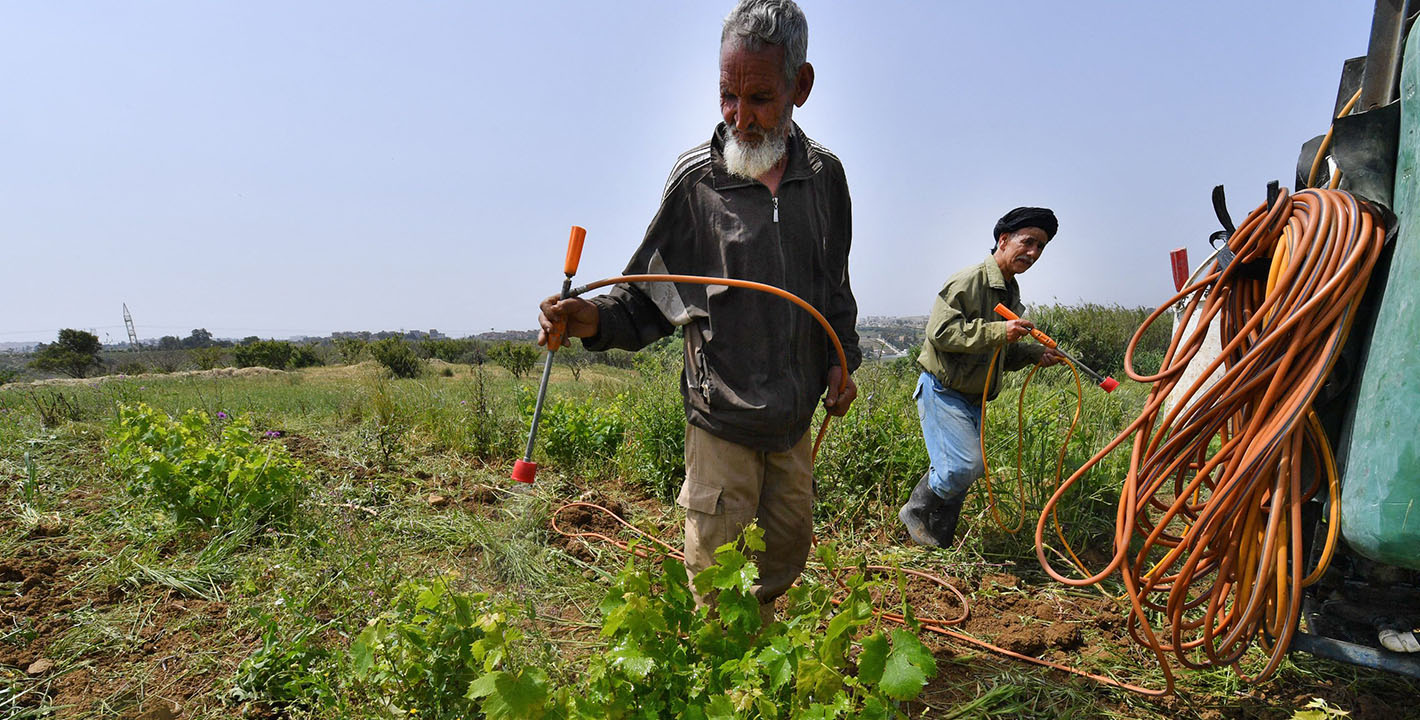
Understanding how farmers in the Oued Sahel-Soummam Valley grapple with climate change is essential for addressing the paradoxes through which adaptation, operating at both individual and institutional levels, deepens the region’s vulnerability and erodes the social fabric and agrarian identity that once defined life.

Ilyssa Yahmi

Just look at Iraq in 1991.

Marwan Muasher

The recent African Cup of Nations tournament in Morocco touched on issues that largely transcended the sport.


Issam Kayssi, Yasmine Zarhloule

Baku may allow radical nationalists to publicly discuss “reunification” with Azeri Iranians, but the president and key officials prefer not to comment publicly on the protests in Iran.

Bashir Kitachaev