

Research
- +6
Yasmine Farouk, Nathan J. Brown, Maysaa Shuja Al-Deen, …
{
  "authors": [
    "Anouar Boukhars"
  ],
  "type": "other",
  "centerAffiliationAll": "dc",
  "centers": [
    "Carnegie Endowment for International Peace",
    "Malcolm H. Kerr Carnegie Middle East Center"
  ],
  "collections": [],
  "englishNewsletterAll": "menaTransitions",
  "nonEnglishNewsletterAll": "",
  "primaryCenter": "Carnegie Endowment for International Peace",
  "programAffiliation": "MEP",
  "programs": [
    "Middle East"
  ],
  "projects": [],
  "regions": [
    "North Africa",
    "Mali"
  ],
  "topics": [
    "Security",
    "Military"
  ]
}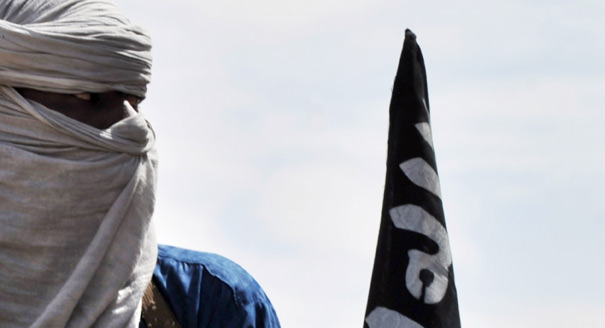
Source: Getty
The January 2013 French intervention in northern Mali has severely degraded the military capabilities of militant organizations. But as violent extremists are being subdued in one area, new hot spots of confrontation are emerging.
Source: FRIDE
The January 2013 French intervention in northern Mali has severely degraded the military capabilities of militant organizations, disrupted their organisational capacities and destroyed many of their sanctuaries. But as violent extremists are being subdued in one area, new hot spots of confrontation are emerging. When forced out of one of their safe havens, transnational terrorist groups such as Al-Qaeda in the Islamic Maghreb (AQIM) just disappear into other peripheral zones of tension. This paper examines how chaotic environments in North Africa are giving new breathing space to a splintered terrorist organisation. Chastened by its many blunders in northern Mali, an off-balance AQIM is trying to shift gear, focusing less on becoming the face of local militancy in North Africa and more on stealthily parasiting local militant organisations without dominating them.The full text of this working paper is available on the FRIDE website.
Former Nonresident Fellow, Middle East Program
Boukhars was a nonresident fellow in Carnegie’s Middle East Program. He is a professor of countering violent extremism and counter-terrorism at the Africa Center for Strategic Studies, National Defense University.
Recent Work


Yasmine Farouk, Nathan J. Brown, Maysaa Shuja Al-Deen, …

Frederic Wehrey, Nathan J. Brown, Bader Al-Saif, …
Carnegie does not take institutional positions on public policy issues; the views represented herein are those of the author(s) and do not necessarily reflect the views of Carnegie, its staff, or its trustees.

The armed forces champion a form of capitalism that is generating revenue, but its reliance on rent faces diminishing returns, leaving the country with massive sunk costs and deferred returns, deepening dependency on external borrowing.

Yezid Sayigh
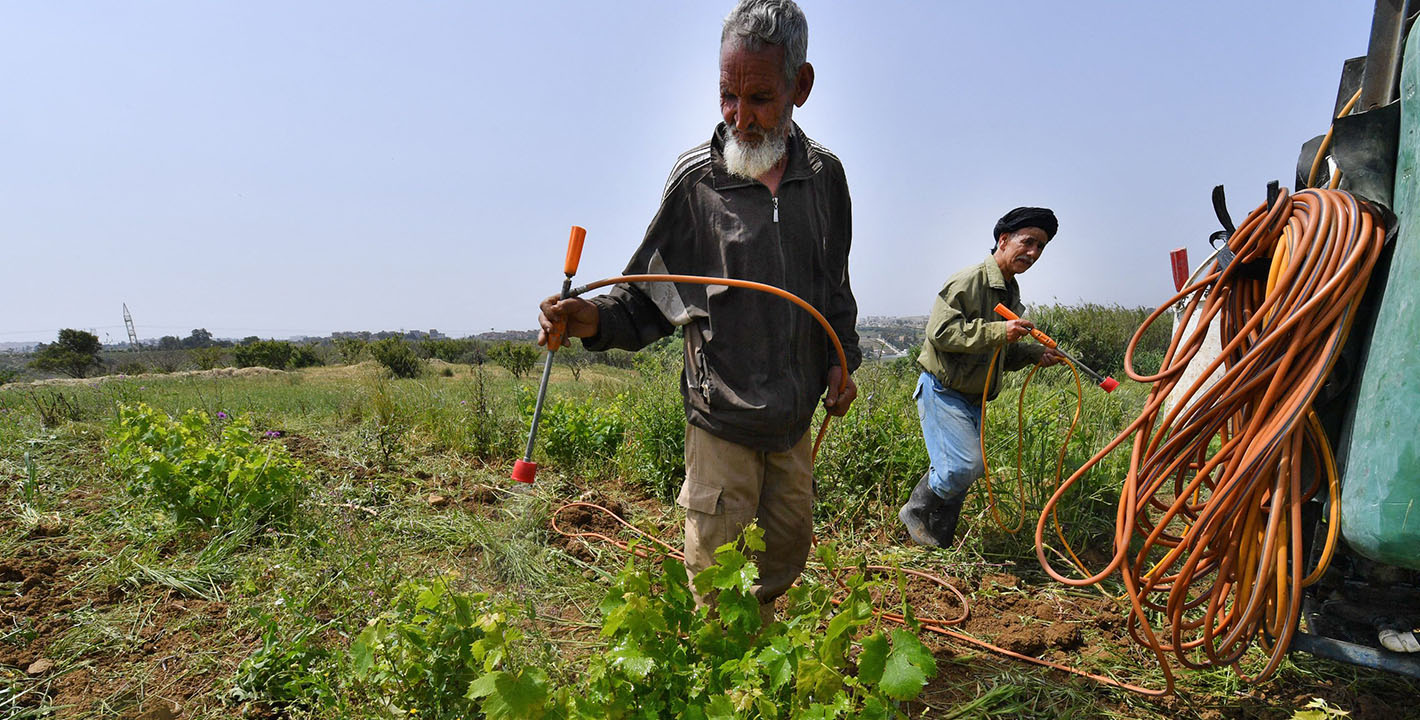
Understanding how farmers in the Oued Sahel-Soummam Valley grapple with climate change is essential for addressing the paradoxes through which adaptation, operating at both individual and institutional levels, deepens the region’s vulnerability and erodes the social fabric and agrarian identity that once defined life.
Ilyssa Yahmi

Just look at Iraq in 1991.

Marwan Muasher
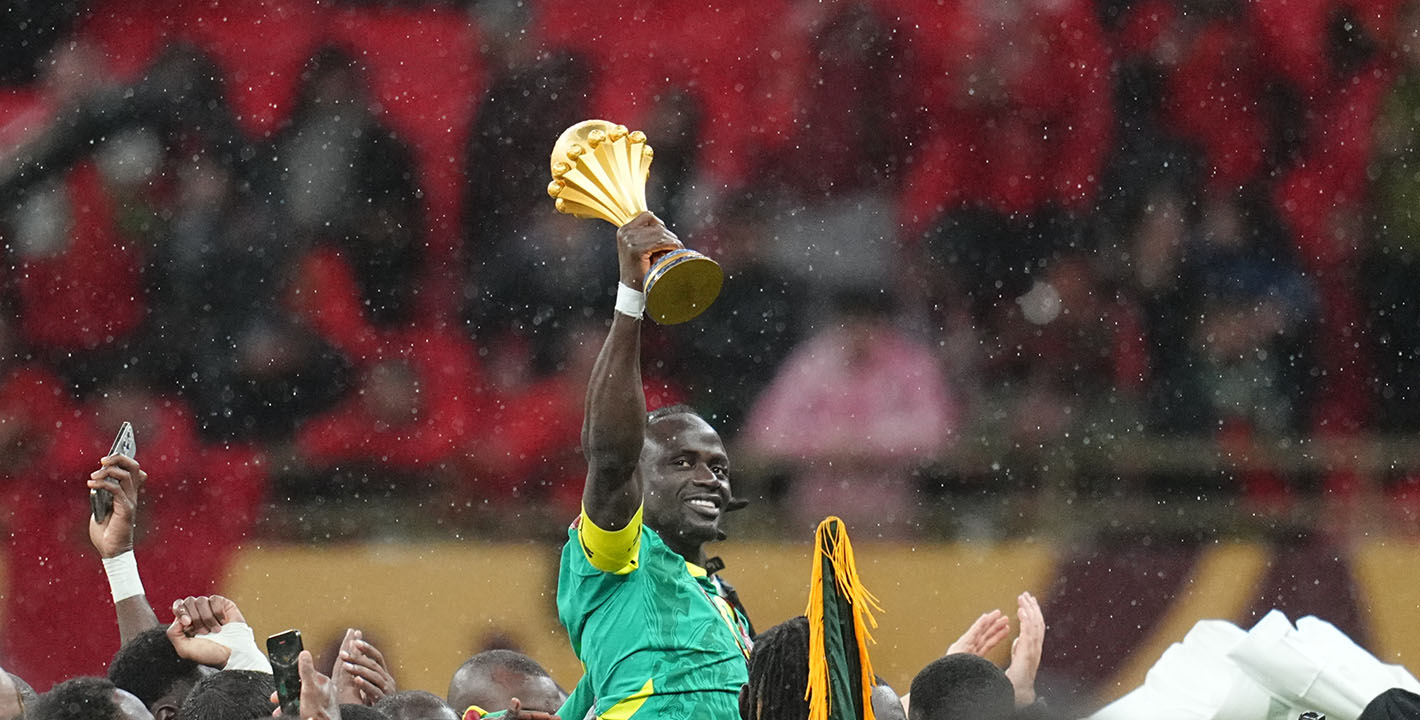
The recent African Cup of Nations tournament in Morocco touched on issues that largely transcended the sport.


Issam Kayssi, Yasmine Zarhloule

Baku may allow radical nationalists to publicly discuss “reunification” with Azeri Iranians, but the president and key officials prefer not to comment publicly on the protests in Iran.

Bashir Kitachaev