

Q&A
Dara Massicot, Aaron David Miller, Andrew S. Weiss
{
  "authors": [
    "Andrew S. Weiss"
  ],
  "type": "legacyinthemedia",
  "centerAffiliationAll": "dc",
  "centers": [
    "Carnegie Endowment for International Peace",
    "Carnegie Russia Eurasia Center"
  ],
  "collections": [],
  "englishNewsletterAll": "ctw",
  "nonEnglishNewsletterAll": "",
  "primaryCenter": "Carnegie Endowment for International Peace",
  "programAffiliation": "russia",
  "programs": [
    "Russia and Eurasia"
  ],
  "projects": [],
  "regions": [
    "Russia",
    "Eastern Europe",
    "Ukraine",
    "Western Europe"
  ],
  "topics": [
    "Political Reform",
    "Foreign Policy"
  ]
}
Source: Getty
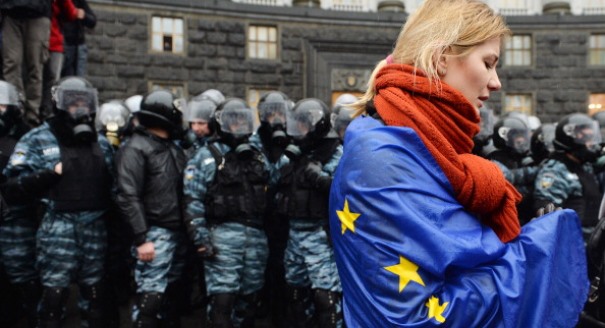
Neither the opposition leaders nor President Yanukovych know how how hard they can push back as they struggle to find a solution to rising tensions in Ukraine.
Source: BBC’s World News America
Speaking on the BBC’s World News America, Carnegie’s Andrew Weiss discussed the ongoing situation in Ukraine. Commenting on the fluidity of the power struggle, Weiss said that neither the opposition leaders nor President Yanukovych know how how hard they can push back, as seen by the standoff in the steets of Kiev between protesters and police. Weiss also commented on the impact of international condemnation, the possibility for U.S. sanctions, and the next steps for Yanukovych and the opposition.
This interview was originally broadcast on the BBC’s World News America.
James Family Chair, Vice President for Studies
Andrew S. Weiss is the James Family Chair and vice president for studies at the Carnegie Endowment for International Peace, where he oversees research on Russia, Ukraine, and Eurasia. His graphic novel biography of Vladimir Putin, Accidental Czar: the Life and Lies of Vladimir Putin, was published by First Second/Macmillan in 2022.
Recent Work

Dara Massicot, Aaron David Miller, Andrew S. Weiss

Frances Z. Brown, Nate Reynolds, Priyal Singh, …
Carnegie does not take institutional positions on public policy issues; the views represented herein are those of the author(s) and do not necessarily reflect the views of Carnegie, its staff, or its trustees.

By failing to address Palestinian representation, the current process is bound to lead to just another temporary arrangement.

Nathan J. Brown

Just look at Iraq in 1991.

Marwan Muasher
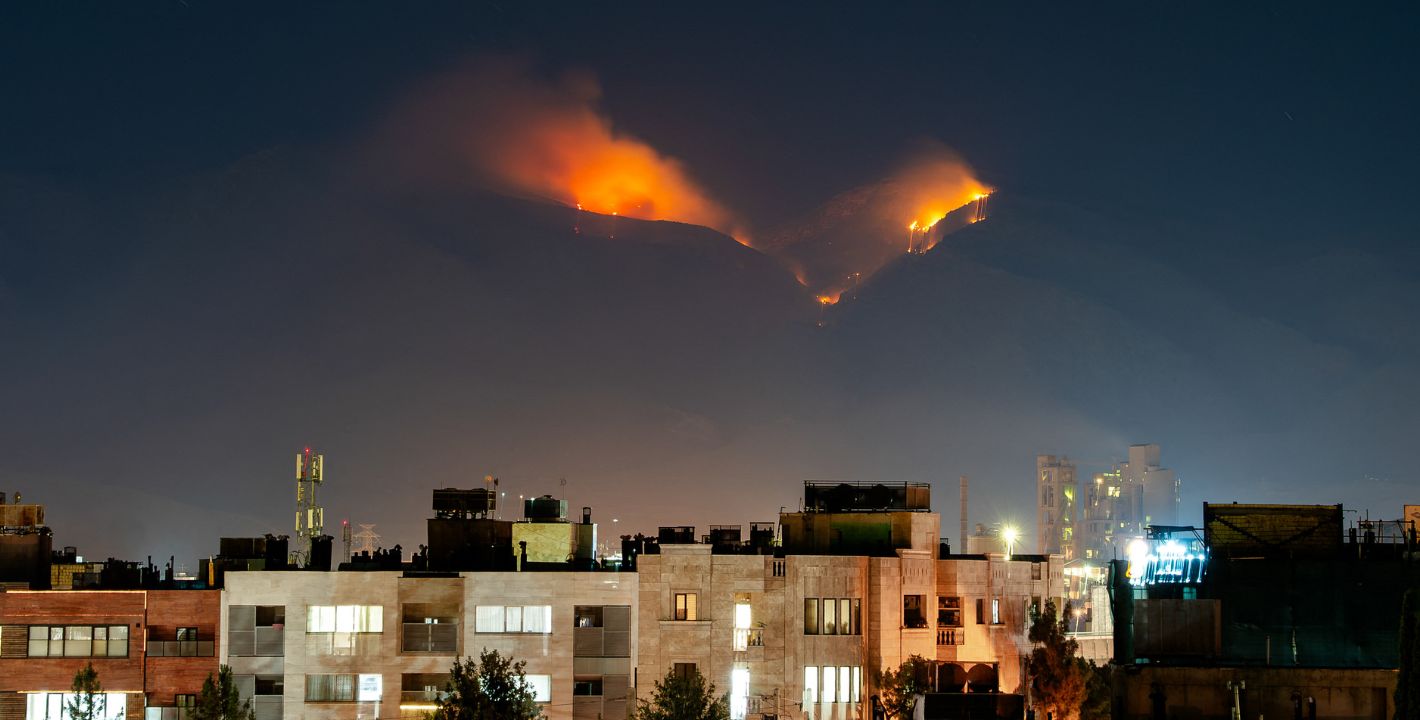
A coalition of states is seeking to avert a U.S. attack, and Israel is in the forefront of their mind.

Michael Young

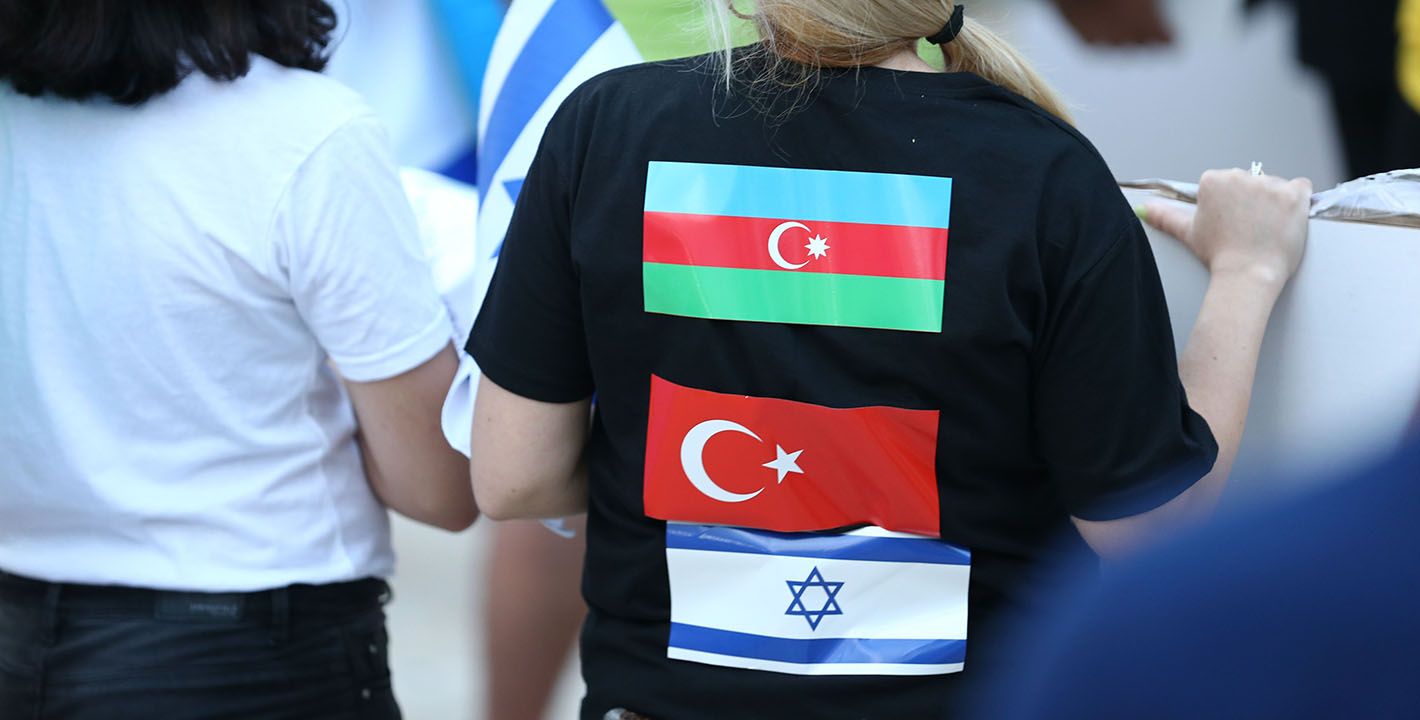
Baku may allow radical nationalists to publicly discuss “reunification” with Azeri Iranians, but the president and key officials prefer not to comment publicly on the protests in Iran.

Bashir Kitachaev
The country’s leadership is increasingly uneasy about multiple challenges from the Levant to the South Caucasus.

Armenak Tokmajyan