

Article
Morocco and Algeria, each in its own way, are having to navigate the global economic fallout of the U.S.-Israeli military campaign against Iran.
Yasmine Zarhloule
{
  "authors": [
    "Zhao Kejin"
  ],
  "type": "legacyinthemedia",
  "centerAffiliationAll": "",
  "centers": [
    "Carnegie Endowment for International Peace",
    "Carnegie China"
  ],
  "collections": [
    "U.S.-China Relations",
    "China’s Foreign Relations"
  ],
  "englishNewsletterAll": "",
  "nonEnglishNewsletterAll": "",
  "primaryCenter": "Carnegie China",
  "programAffiliation": "",
  "programs": [],
  "projects": [],
  "regions": [
    "North America",
    "United States",
    "East Asia",
    "China"
  ],
  "topics": [
    "Security",
    "Foreign Policy"
  ]
}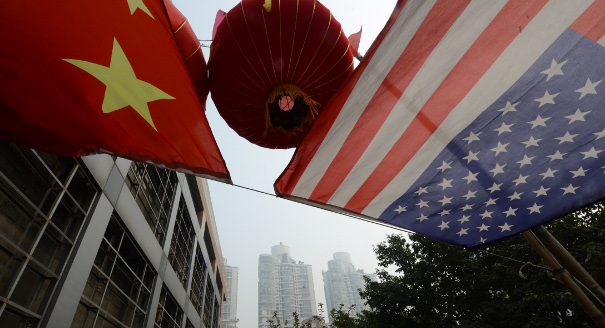
Source: Getty
For large powers, balance is the key principle for maintaining relationships. Once a balance is established, a stable relationship between large powers can be established.
Source: Global Times
U.S. Secretary of State John Kerry has sent many significant signals to China through his visit to Asia over the Valentine’s Day weekend and recent cooperative agreements on climate change and military exchanges with Beijing. In the coming year, China will be busy with implementing reform while the United States will focus on upcoming elections. As two most influential powers in the world, neither the United States nor China is willing to make trouble, let alone start a crisis. Steadiness has become the key theme of the Sino-U.S. relationship.
International politics is a game of power, and the core of the big power politics is balance. If powers are balanced, the world is stable; if powers are unbalanced, the world will be in turmoil. Since 2009, the United States has carried out its so-called “rebalancing” strategy, deploying military forces and resources to the Asia-Pacific region, consolidating its alliances, developing strategic partners, and building new frameworks for its multilateral cooperation. As a result, many countries in Asia that are looking to expand their economic cooperation in the region see the opportunity to gain some benefits from these moves made by the United States. Some have even tried to rake up the past and remove the “inhibitions” imposed by the international community at the time. Whether or not the United States admits it, “rebalancing” is in fact “de-balancing,” which initiates the security issue, which has long been on pause, and brings turbulence in the Asia Pacific region that used to lack a “regional security framework.” Some regional disputes have even dragged the United States into a dilemma, making Washington feel like setting fire itself on itself and that it is being dragged into the mire of these disputes. This sentiment means that the United States has to make a difficult choice about it involvement in the region.
Undoubtedly, as the Asia Pacific region has not conformed to the national interests of the United States, this situation follows the Chinese saying of “the wind agitating tranquil trees.” The aggressive stance taken by the United States will draw China closer to Russia. Although the United States undermined the unity of Asia, its actions in Asia have also facilitated the unity of the big powers in the region. The United States is losing its advantage in Asia, making it not only unable to control the water but it has also accidentally upset the power balance. As the situations in the Central Asia, North Africa, Middle East, and Afghanistan indicate, the United States’ world leadership and capability to mobilize internationally has significantly weakened. During the past four years, there have been complications to all the regions that the United States are involved in and in many of these situations, the United States’ policies have failed to give the multinational alliances and organizations it is a member of a satisfactory answer. The United States’ actions have failed to protect the country’s growing interests in the Asia Pacific region, to support its allies in the region, and to fulfill commitments of protection on disputed external issues. U.S. President Barack Obama’s “rebalancing” strategy needs to be adjusted to reestablish a foundation for stability in Asia-Pacific region.The reason that Obama’s “rebalancing” strategy has encountered difficulties is that the United States has incorrectly calculated the situations in the Asia Pacific region. One possible reason for this may be that the goal of Obama’s visit to China in 2009 was not achieved. His policy decisions later were done without making needed considerations. The United States has wrongly estimated trends in China’s overall strategy. The United States presume that it could place pressure on China little by little and China would submit to this pressure. On the contrary, China’s path toward great power diplomacy with Chinese characteristics was affirmed during the Eighteenth National Congress of the Chinese Communist Party as well as during the national meeting on China’s policy toward its neighbors. China has shown that it will not withdraw in the face of the U.S. pressure. Instead, China continues to strive and makes the United States see a rising China.
Although China’s own economic growth has strengthened the global economy, China’s strategic influence in the Asia Pacific region is limited. China has been unable to move past the United States’ position as the strategic leader in the region. However, as China strives to be a leader in the region, it is out of defense. China does not intend to vie with the United States to be champion of the region. Should the United States adopt policies within its Asia Pacific strategy that exaggerate the “China threat, Washington will have to deal with the consequences of this kind of characterization.
In fact, in this era of globalization, it is very simple to correctly manage the Sino-U.S. relationship. As long as the common interests of the two countries are addressed fully in any policies made, the two countries will continue on a stable track of sustainably developing the bilateral relationship through dialogue, coordination, and properly handling of disputes. For large powers, balance is the key principle for maintaining relationships. Once a balance is established, a stable relationship between large powers can be established. Therefore, strategic mutual trust is the goal for the Sino-U.S. relationship and common interests are the foundation.
This piece was originally published on Global Times in Chinese.

Zhao Kejin
Former Resident Scholar, Carnegie-Tsinghua Center for Global Policy
Zhao Kejin was a resident scholar at the Carnegie-Tsinghua Center until June 2020.
Carnegie does not take institutional positions on public policy issues; the views represented herein are those of the author(s) and do not necessarily reflect the views of Carnegie, its staff, or its trustees.

Morocco and Algeria, each in its own way, are having to navigate the global economic fallout of the U.S.-Israeli military campaign against Iran.

Yasmine Zarhloule
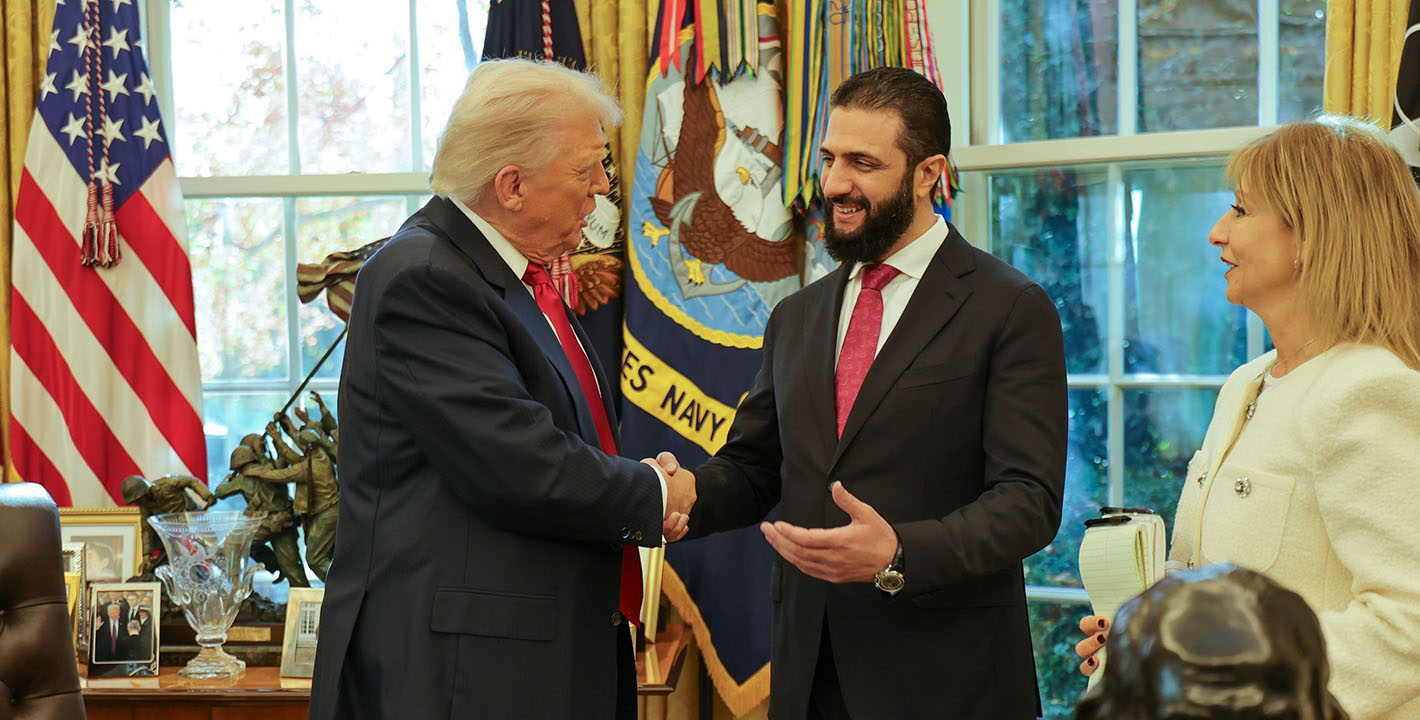
Any move by the United States to make good on Trump’s suggestion that Washington persuade Damascus to confront Hezbollah militarily would have catastrophic consequences.

Kheder Khaddour
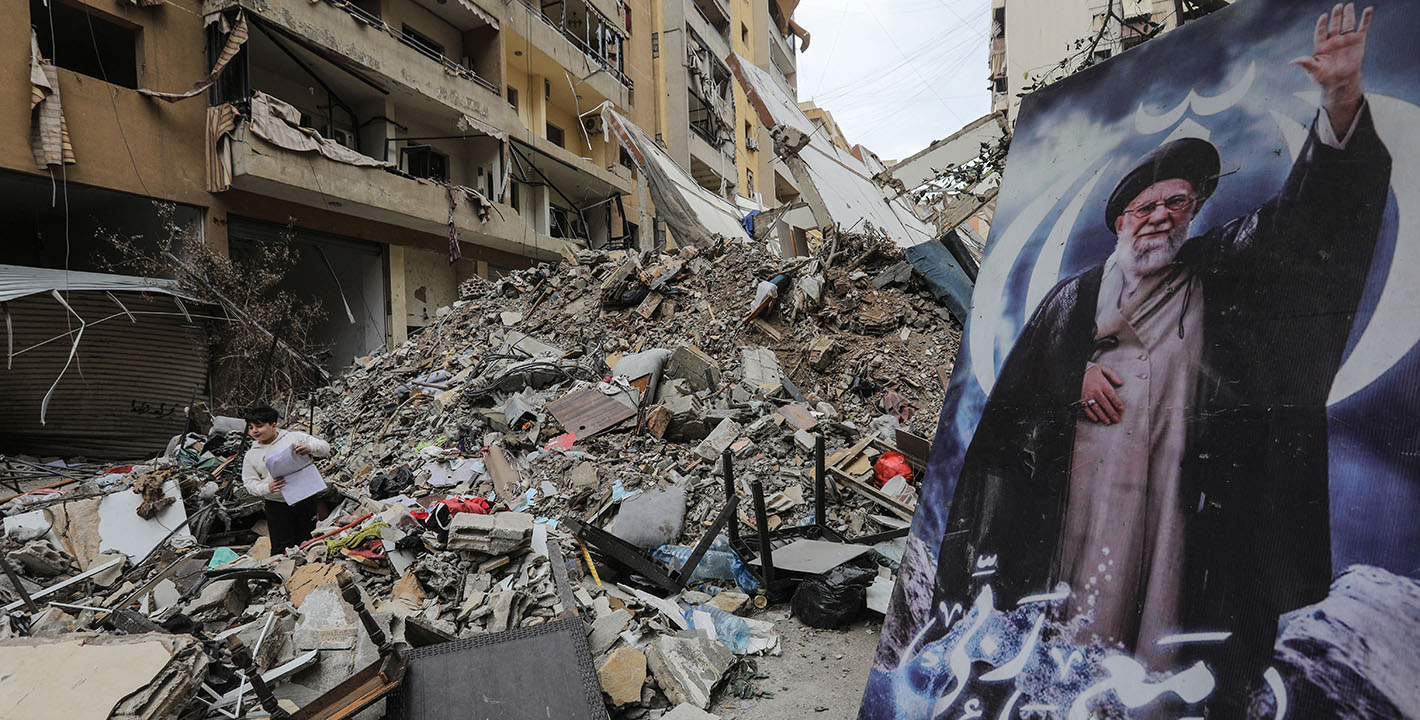
As talks begin between Washington and Tehran, Beirut has an opening to advance a regional plan for the party’s disarmament.

Michael Young
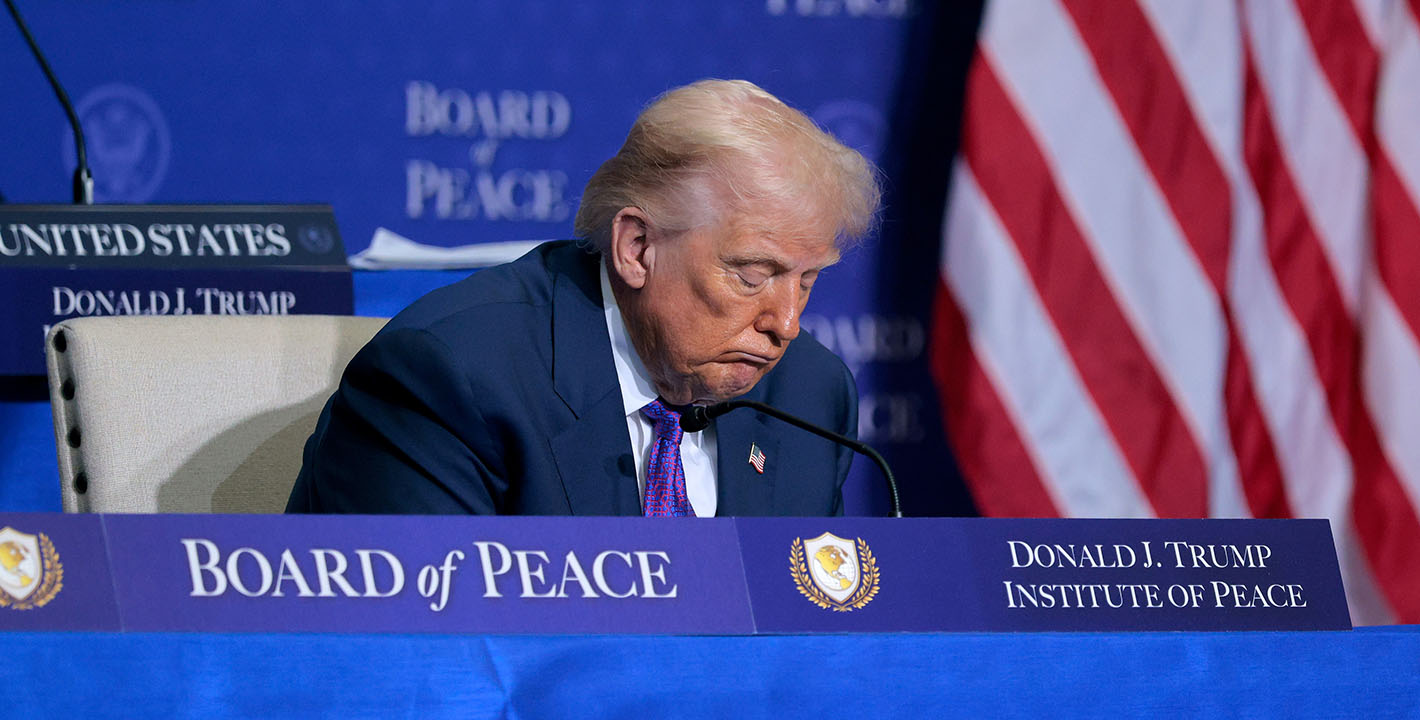
What is behind Marco Rubio’s announcement that the body is now an international nongovernmental organization?

Zaha Hassan
Policy discussion is ignoring that the Palestinian national project is hollowed out and apartheid is a present danger.

Nathan J. Brown