

Commentary
Dmitri Trenin
{
  "authors": [
    "Dmitri Trenin"
  ],
  "type": "legacyinthemedia",
  "centerAffiliationAll": "",
  "centers": [
    "Carnegie Endowment for International Peace",
    "Carnegie Russia Eurasia Center"
  ],
  "collections": [],
  "englishNewsletterAll": "",
  "nonEnglishNewsletterAll": "",
  "primaryCenter": "Carnegie Russia Eurasia Center",
  "programAffiliation": "",
  "programs": [],
  "projects": [],
  "regions": [
    "North America",
    "United States",
    "East Asia",
    "South Korea",
    "China",
    "Japan",
    "Russia",
    "North Korea"
  ],
  "topics": [
    "Foreign Policy"
  ]
}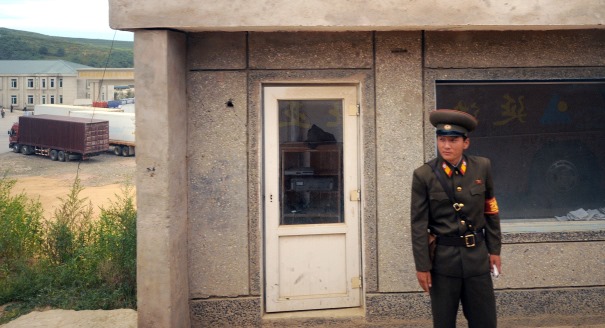
Source: Getty
By reactivating its policy on Pyongyang, Moscow is sending messages to Seoul, Tokyo, Washington, and Beijing, which should be properly understood.
Source: Global Times
The recent visit to Russia by a special representative of North Korean leader Kim Jong-un has highlighted Moscow's new opening to Pyongyang. It comes after other visits and meetings between Russians and North Koreans that have become more frequent of late.
Evidently, Russia is bidding to play a more active role on the Korean Peninsula and in Northeast Asia as a whole. By reactivating its policy on Pyongyang, Moscow is sending messages to Seoul, Tokyo, Washington and Beijing. These should be properly understood.
The message to Seoul is that Moscow has regained a bit of influence in the North, which it can use in dealing with the South. This can refer both to stability-building economic projects, such as the proposed Trans-Korean gas pipeline and the rail link, and to security concerns such as the nuclear issue and the military standoff across the Demilitarized Zone.Clearly, Moscow expects Seoul to stay away from the US-led sanctions drive against Russia. The Kremlin regards the sanctions as a means of war, and considers the sanctioning countries as unfriendly.
If Seoul wants to keep the good relationship with Moscow that emerged at the end of the Cold War, and even fill part of the niche vacated by Germany, it needs to protect its economic ties to Moscow from US pressure to curtail them.
The message to Tokyo is different. Japan has already crossed the line, in terms of anti-Russian sanctions. In response, Russia is toughening its position toward Japan. The window for resolving the long-running territorial dispute over the South Kuril Islands has closed. Rather than balancing China, as Japanese Prime Minister Shinzo Abe had hoped, Moscow is getting closer to Beijing, in both energy and military spheres.
Russia is also bolstering its own geopolitical and military presence in Northeast Asia. Following Washington's policy on Russia has its costs for Tokyo.
Washington, which now brands Russia as a member of the new "axis of evil," alongside the IS and Ebola, has, for the first time since the end of the Cold War, gained a major adversary.
Even though most Americans continue to see Russia as a declining power, the new confrontation promises to be long and tough. US strategic planners will have to factor Russia back in also in the Pacific, where China has emerged at the pinnacle of the Kissingerian triangle of Washington, Moscow and Beijing.
The message to Beijing is more subtle and much friendlier. Russia recognizes China's strength, respects its interests, and regards it as a close partner, valuing highly the relationship with it.
At the same time, Russia sees itself as a great power in its own right, which acts out of its own set of interests and underlying values.
To Beijing, Moscow can be a friend, but not a follower. Russian and Chinese positions on a great number of issues may coincide or overlap, but even there Moscow will act as its own man.
The Chinese will appreciate it: The Sino-Soviet alliance of the 1950s unraveled when the Russians failed to understand that China, even in its relative and temporary weakness at the time, never stopped thinking of itself as a great power, second to none.
Pyongyang may be tired of Beijing relaying US messages to them. North Koreans may hope to gain something from Moscow, which is now back in long-term conflict with Washington.
However, they, too, need to see the limits of their old game of playing one sponsor off another. To be a real player, North Korea needs to step out of its isolation and reenter the region.
Restarting the Six-Party Talks, as the North Korean leader suggested in his message to Russian President Vladimir Putin, is the right first step. Sending that message through Moscow, under the present circumstances, is a smart move.
Former Director, Carnegie Moscow Center
Trenin was director of the Carnegie Moscow Center from 2008 to early 2022.
Recent Work
Dmitri Trenin
Dmitri Trenin
Carnegie does not take institutional positions on public policy issues; the views represented herein are those of the author(s) and do not necessarily reflect the views of Carnegie, its staff, or its trustees.
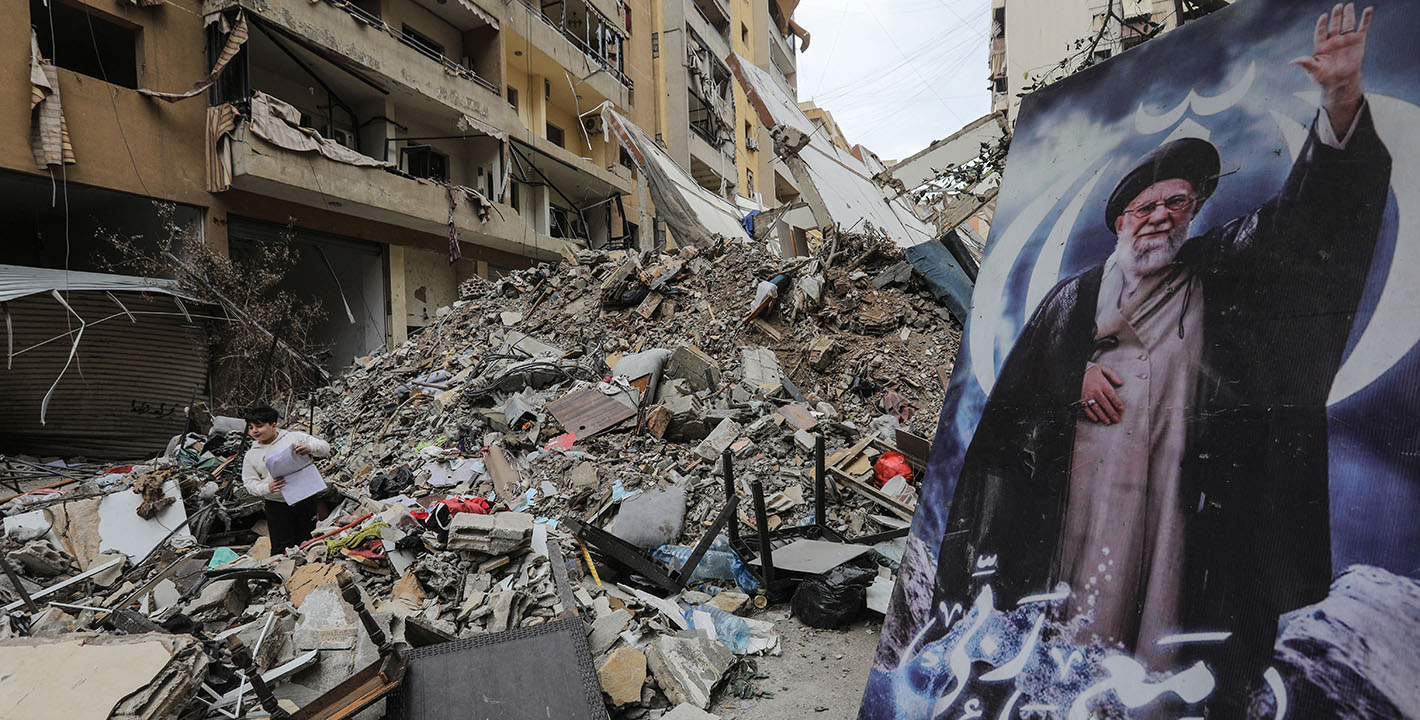
As talks begin between Washington and Tehran, Beirut has an opening to advance a regional plan for the party’s disarmament.

Michael Young
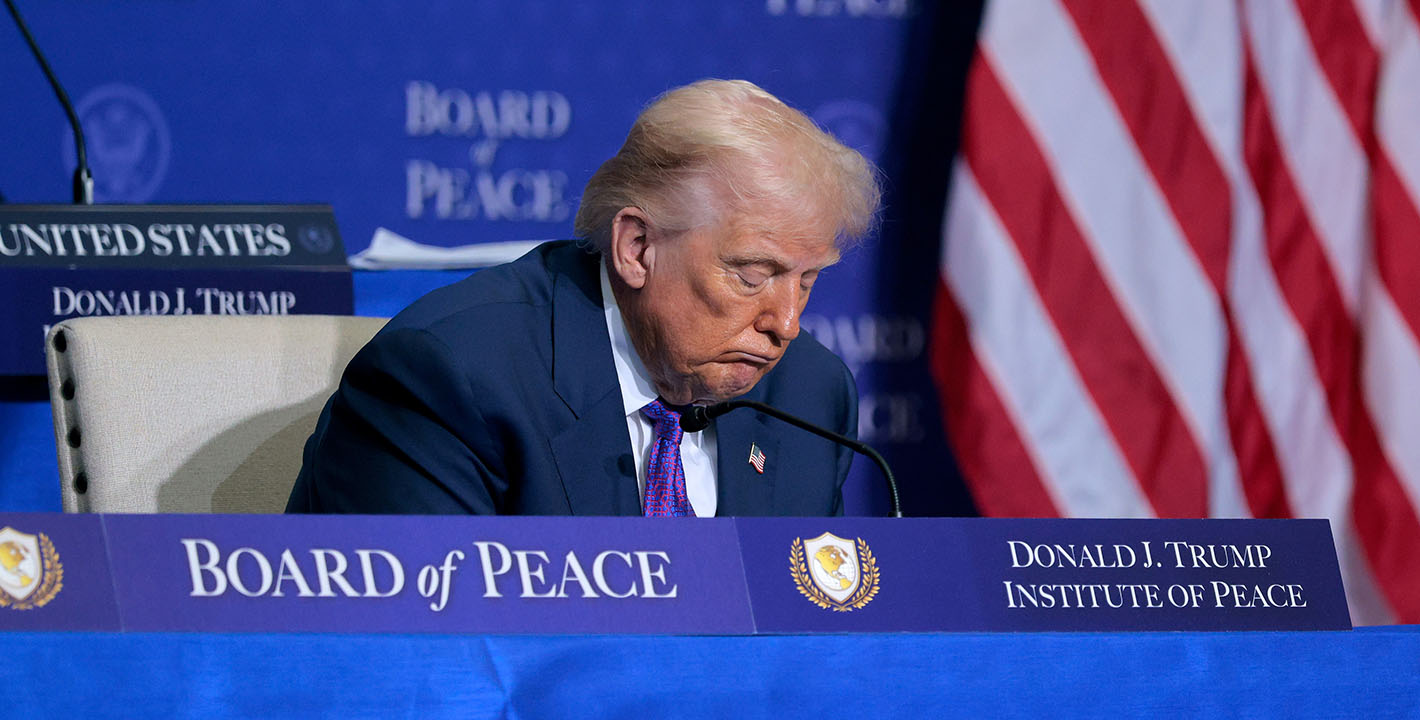
What is behind Marco Rubio’s announcement that the body is now an international nongovernmental organization?
Zaha Hassan
Policy discussion is ignoring that the Palestinian national project is hollowed out and apartheid is a present danger.

Nathan J. Brown
As negotiations with Iran and Lebanon continue, chaos is at the heart of the Netanyahu government’s calculations.
Michael Young
The party’s domestic and regional roles have changed, so Lebanon should devise a disarmament strategy that encompasses this.
Michael Young