

Paper
Ashley J. Tellis
{
  "authors": [
    "Ashley J. Tellis"
  ],
  "type": "other",
  "centerAffiliationAll": "dc",
  "centers": [
    "Carnegie Endowment for International Peace"
  ],
  "collections": [],
  "englishNewsletterAll": "ctw",
  "nonEnglishNewsletterAll": "",
  "primaryCenter": "Carnegie Endowment for International Peace",
  "programAffiliation": "SAP",
  "programs": [
    "South Asia"
  ],
  "projects": [],
  "regions": [
    "North America",
    "United States",
    "South Asia",
    "India",
    "East Asia",
    "South Korea",
    "China",
    "Taiwan",
    "Japan",
    "Southeast Asia",
    "North Korea"
  ],
  "topics": []
}
Source: Getty
The United States has consistently rejected both isolationism and multilateralism as instruments for meeting its highest strategic ambitions, instead utilizing a dialectical relationship between confederationism and unilateralism to achieve hegemony.
Source: National Bureau of Asian Research
This chapter reviews how the U.S. came to treat alliances and partnerships as essential instruments of its quest for hegemony over time, what tasks U.S. alliances performed in the past, and how their functions promise to mutate in the future.Despite frequent references to the U.S.’s early isolationist past, the country has consistently rejected both isolationism and multilateralism as instruments for meeting its highest strategic ambitions, instead utilizing a dialectical relationship between confederationism and unilateralism to achieve hegemony. U.S. power, no matter how formidable, benefits from the presence of partners, thanks to both their capacity to supplement American resources and their ability to bestow legitimacy to various U.S. policies. Even when these are not at issue, however, the company of confederates is undoubtedly valuable because it enhances the freedom that the U.S. enjoys to undertake unilateral actions whenever these are demanded by its global interests.
This chapter is the introduction to Strategic Asia 1014-15: U.S. Alliances and Partnerships at the Center of Global Power . Read more about Strategic Asia, including information on how to order the complete book, here.
Former Senior Fellow
Ashley J. Tellis was a senior fellow at the Carnegie Endowment for International Peace.
Recent Work
Ashley J. Tellis
Ashley J. Tellis
Carnegie does not take institutional positions on public policy issues; the views represented herein are those of the author(s) and do not necessarily reflect the views of Carnegie, its staff, or its trustees.
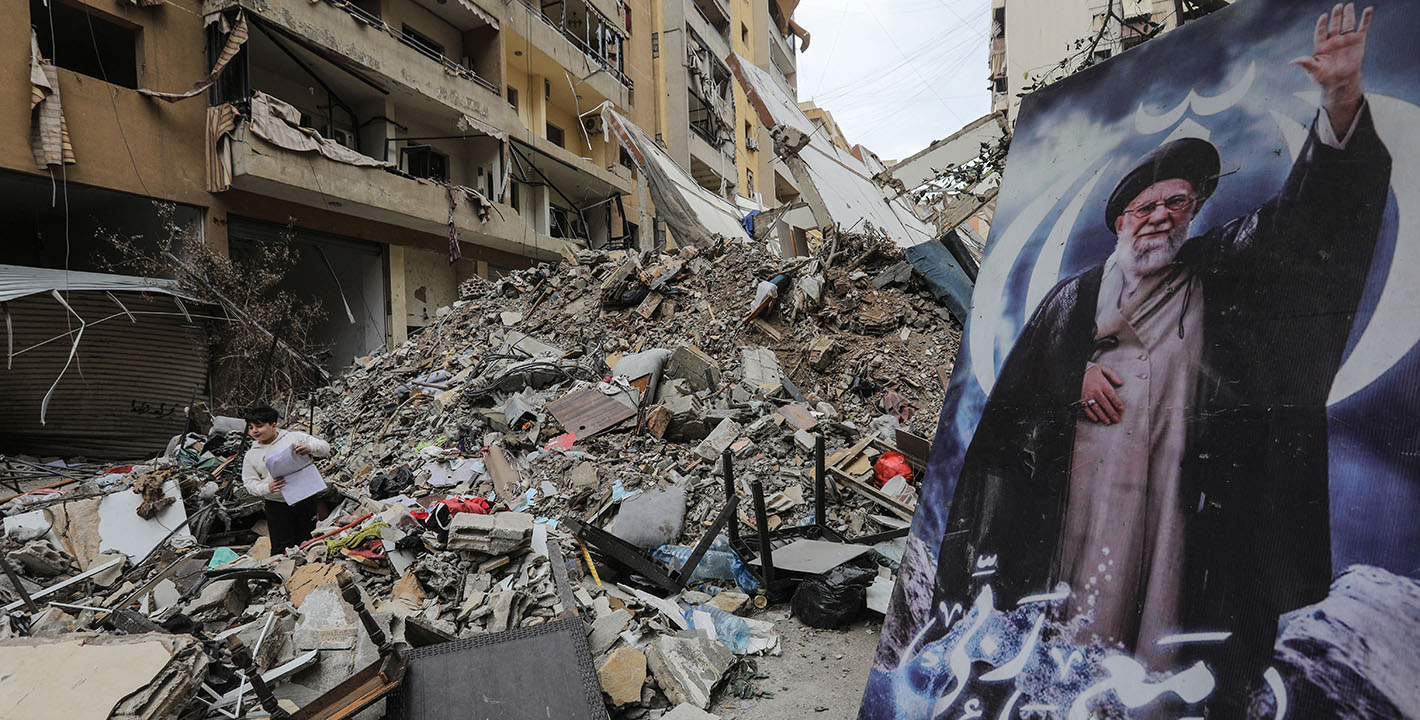
As talks begin between Washington and Tehran, Beirut has an opening to advance a regional plan for the party’s disarmament.

Michael Young
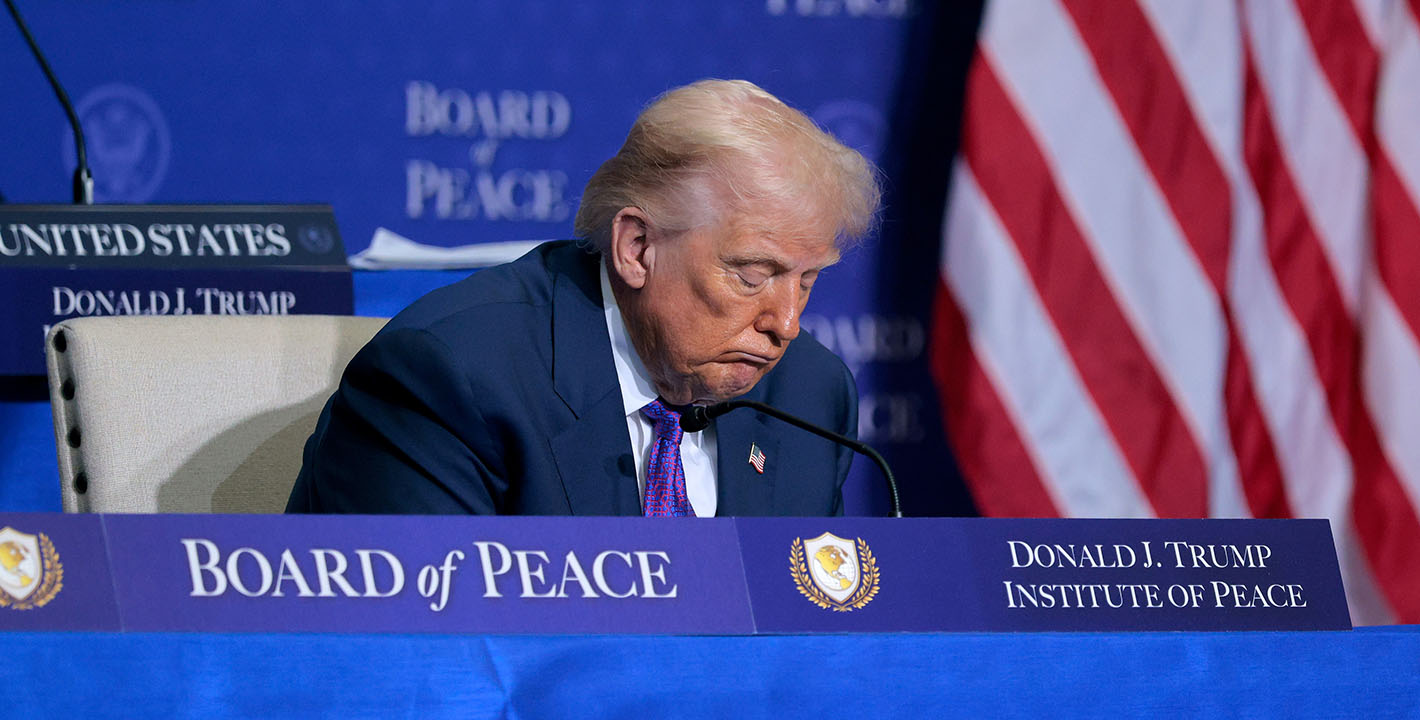
What is behind Marco Rubio’s announcement that the body is now an international nongovernmental organization?
Zaha Hassan
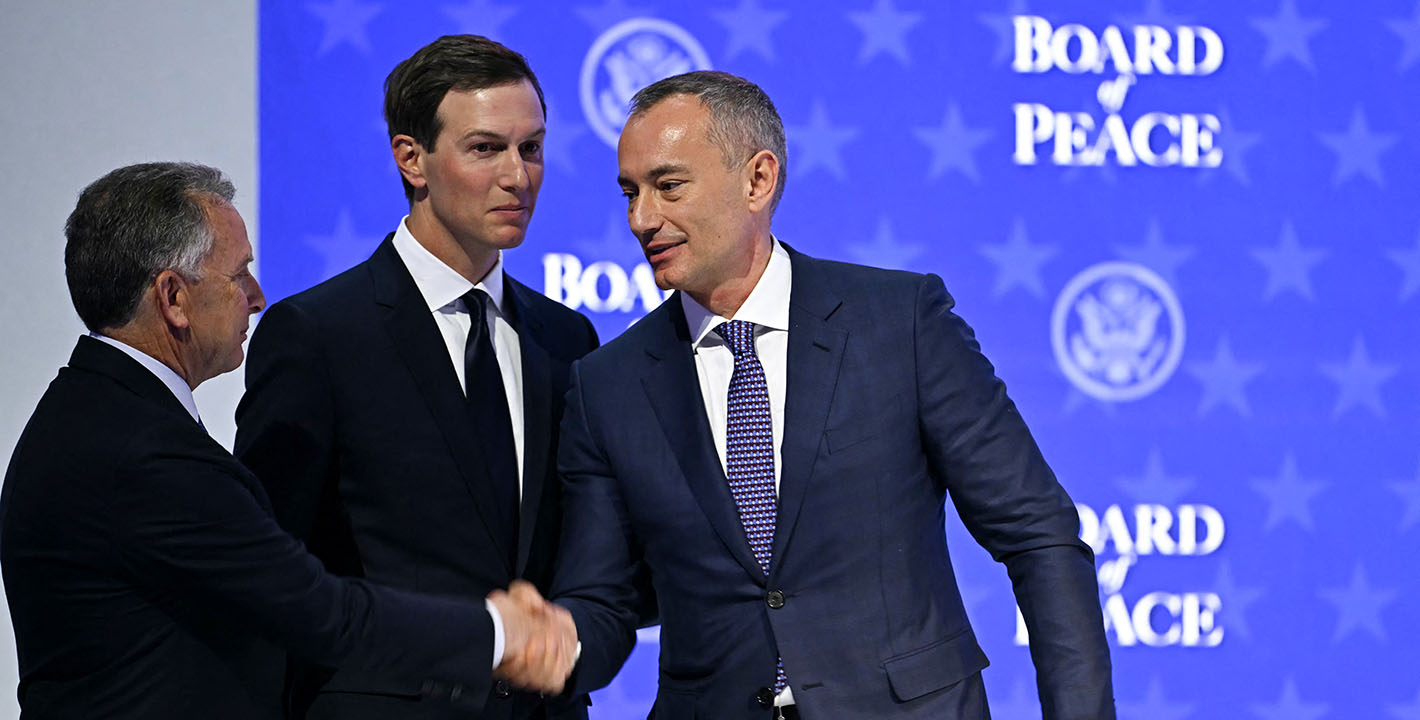
Policy discussion is ignoring that the Palestinian national project is hollowed out and apartheid is a present danger.

Nathan J. Brown
As negotiations with Iran and Lebanon continue, chaos is at the heart of the Netanyahu government’s calculations.
Michael Young
The party’s domestic and regional roles have changed, so Lebanon should devise a disarmament strategy that encompasses this.
Michael Young