

Article
Frederic Wehrey, Charles H. Johnson
{
  "authors": [
    "Frederic Wehrey"
  ],
  "type": "legacyinthemedia",
  "centerAffiliationAll": "dc",
  "centers": [
    "Carnegie Endowment for International Peace",
    "Malcolm H. Kerr Carnegie Middle East Center"
  ],
  "collections": [],
  "englishNewsletterAll": "menaTransitions",
  "nonEnglishNewsletterAll": "",
  "primaryCenter": "Carnegie Endowment for International Peace",
  "programAffiliation": "MEP",
  "programs": [
    "Middle East"
  ],
  "projects": [],
  "regions": [
    "North Africa",
    "Libya",
    "Maghreb"
  ],
  "topics": [
    "Security"
  ]
}
Source: Getty
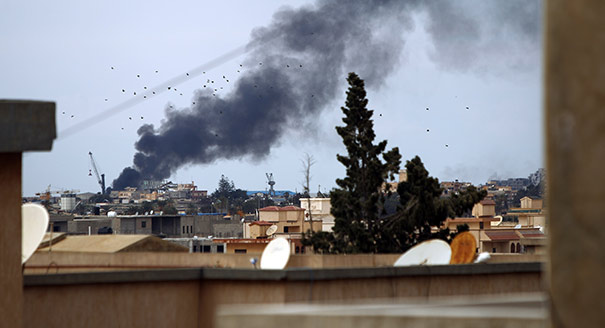
The brutal murder of Egyptian Christians in Libya by the Islamic State has brought the ongoing chaos in Libya to the forefront.
Source: KCRW’s To the Point
The brutal murder of Egyptian Christians in Libya by the Islamic State has brought the ongoing chaos in Libya to the forefront. Speaking on KCRW’s To the Point, Carnegie’s Frederic Wehrey explained how the Islamic State has exploited the vacuum created by the civil war in order to gain a foothold in the country.
General Khalifa Hifter is a polarizing figure who is fighting with one faction, Operation Dignity. Wehrey said that many fear that General Hifter wants to bring back the “deep state” in Libya. “But he’s selling something that’s very appealing and that’s a return to stability, a return to security,” Wehrey added. He explained that the problem is the way Hifter is trying to bring stability back, through labeling all Islamist opposition as terrorists, which could further polarize and destabilize Libya.
Wehrey concluded that while there are extremist Islamist militias in the east, militias are not necessarily ideological and instead fight “for their town, for their tribe, for their particular region.” Labeling those militias as terrorist can be dangerous as some subscribe to democracy and the constitution, he warned.

Senior Fellow, Middle East Program
Frederic Wehrey is a senior fellow in the Middle East Program at the Carnegie Endowment for International Peace, where his research focuses on governance, conflict, and security in Libya, North Africa, and the Persian Gulf.
Recent Work
Frederic Wehrey, Charles H. Johnson
Frederic Wehrey, Charles H. Johnson
Carnegie does not take institutional positions on public policy issues; the views represented herein are those of the author(s) and do not necessarily reflect the views of Carnegie, its staff, or its trustees.

The armed forces champion a form of capitalism that is generating revenue, but its reliance on rent faces diminishing returns, leaving the country with massive sunk costs and deferred returns, deepening dependency on external borrowing.

Yezid Sayigh

Morocco and Algeria, each in its own way, are having to navigate the global economic fallout of the U.S.-Israeli military campaign against Iran.

Yasmine Zarhloule
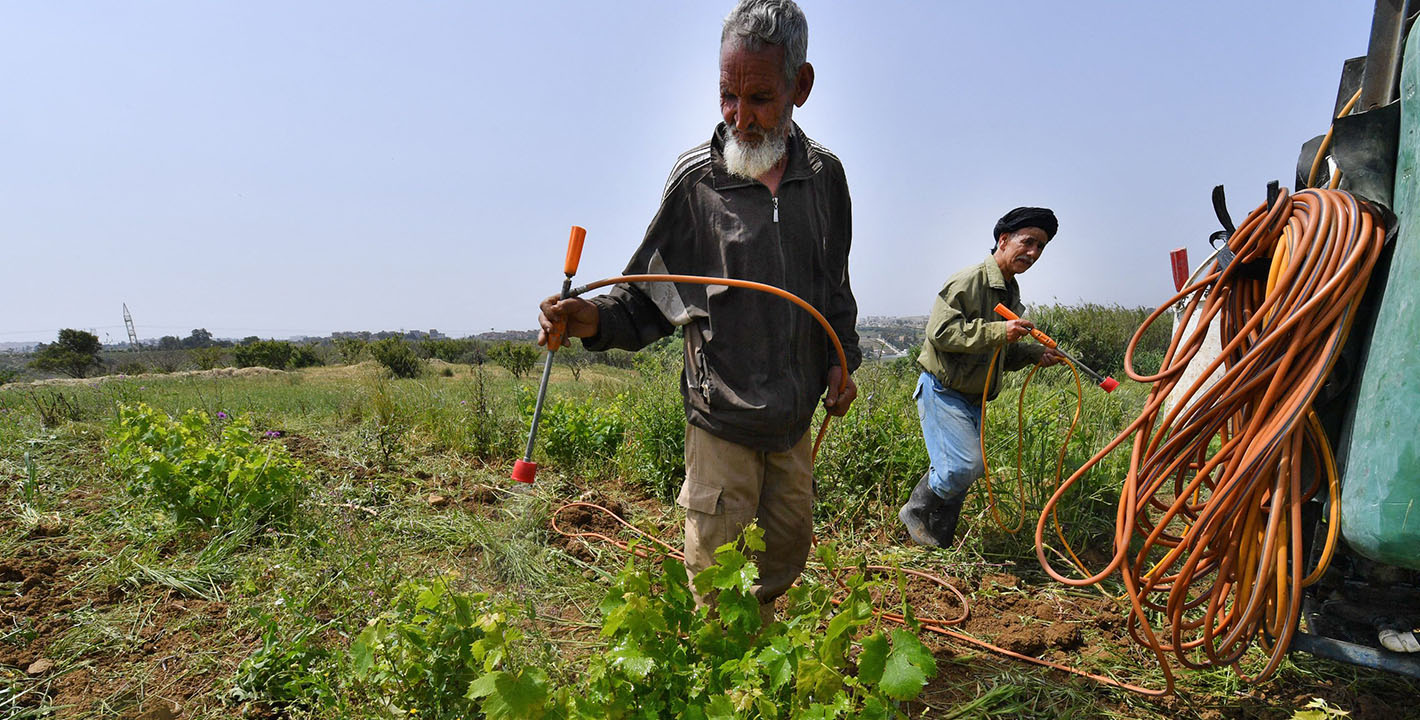
Understanding how farmers in the Oued Sahel-Soummam Valley grapple with climate change is essential for addressing the paradoxes through which adaptation, operating at both individual and institutional levels, deepens the region’s vulnerability and erodes the social fabric and agrarian identity that once defined life.
Ilyssa Yahmi
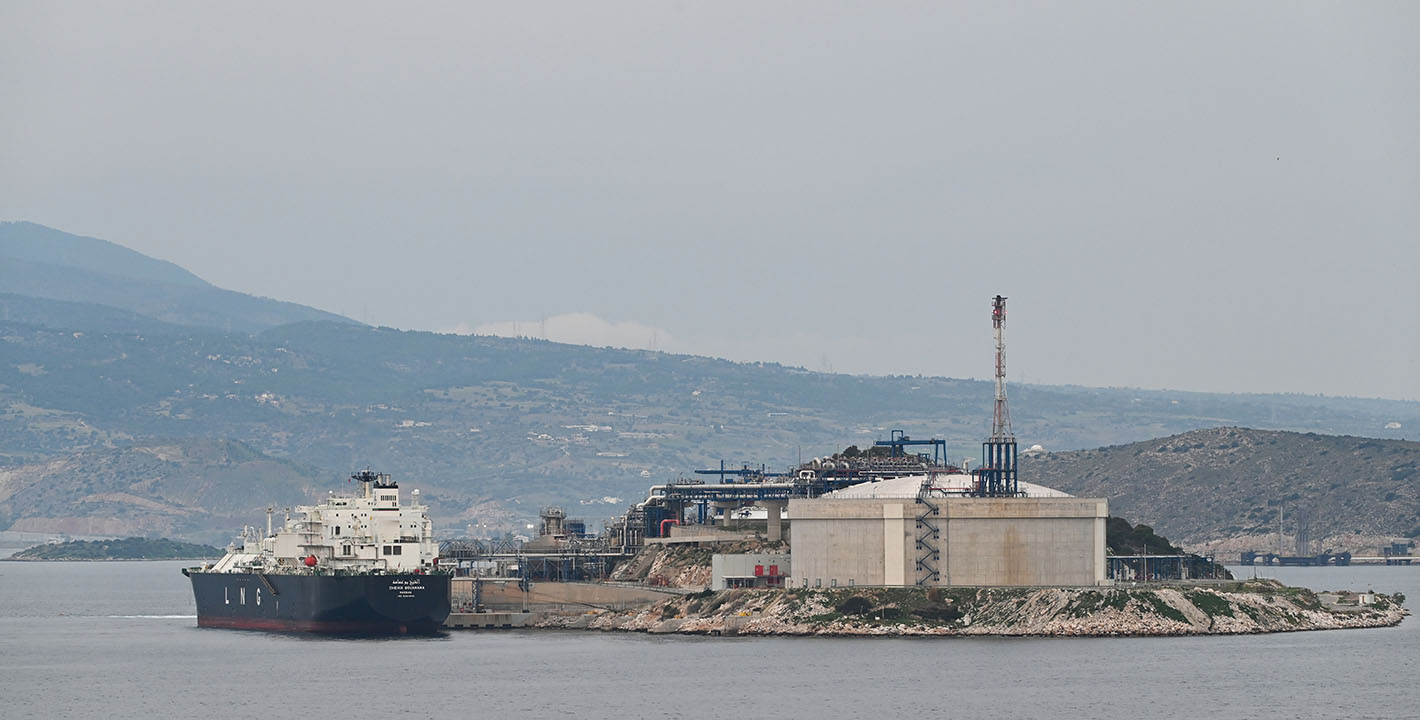
Unless the European Union-led energy transition provides economic development to Algeria, Morocco, and Tunisia, the process may be perceived as a new form of extraction.
Yasmine Zarhloule

Just look at Iraq in 1991.

Marwan Muasher