

Commentary
Across the Middle East and North Africa, climate stress interacts with economic fragility, governance failures, social marginalization, and conflict.
Camille Ammoun
{
  "authors": [
    "Andrey Sambros"
  ],
  "type": "commentary",
  "centerAffiliationAll": "",
  "centers": [
    "Carnegie Endowment for International Peace",
    "Carnegie Russia Eurasia Center"
  ],
  "collections": [],
  "englishNewsletterAll": "",
  "nonEnglishNewsletterAll": "",
  "primaryCenter": "Carnegie Russia Eurasia Center",
  "programAffiliation": "",
  "programs": [],
  "projects": [
    "Eurasia in Transition"
  ],
  "regions": [
    "Russia",
    "Eastern Europe",
    "Ukraine"
  ],
  "topics": [
    "Political Reform",
    "Climate Change",
    "Foreign Policy",
    "Economy"
  ]
}
Source: Getty
Ukrainian political activists have stepped up their campaign to isolate Crimea by sabotaging its electricity supply. Ordinary residents of Crimea are hostages of a hybrid political struggle between Ukraine and Russia.
As in a good spy thriller, the drama of Crimea’s mass power outage is taking place in several different places at the same time.
After power lines to Crimea were cut last week in a deliberate act of sabotage by the disgruntled Tatar minority, much of the peninsula was plunged into darkness, increasing resentment against Kiev and the local Tatar population. In Kiev, political activists who are keen to wage a “hybrid war” against Russia are setting the agenda.
On November 20 and 22, four pylons transmitting power to Crimea were blown up. The attack came two months after the start of an informal blockade that is halting delivery of Ukrainian goods to Crimea by groups representing the Crimean Tatars, the nationalist Right Sector movement, and other activists.
Officially, Kiev has not supported the new blockade—until recently, the government kept trade with Crimea flowing freely. But the driving force behind the new policy is the Mejlis, the representative body of the Crimean Tatars, and its current head Refat Chubarov. This suggests that the change was at least coordinated with Ukraine’s leadership, as Chubarov is close to Ukrainian President Petro Poroshenko and was elected to the parliament on the latter’s party list.
However, the stated goal of the Crimean Tatars is actually quite down-to-earth. It is to force Russia to agree to a number of demands, which do not explicitly include the return of Crimea to Ukraine. The demands are for Russia to free a number of political prisoners, allow the Ukrainian media free access to the peninsula, and lift the ban on Crimean Tatar leaders returning to Crimea.
On November 3, Refat Chubarov urged the Ukrainian government to cut electricity supplies to the peninsula after the Russian police in Crimea raided the homes of relatives of the Crimean Tatars organizing the blockade. The Tatars said they wanted the authorities to cut off electricity for “three to five days as a preventive measure.”
When four power lines were damaged in two acts of sabotage, anti-Russian protesters did not claim responsibility, but merely prevented workers from Ukrenergo, the Ukrainian energy company, from carrying out repairs.
The government sent only 100 security personnel to deal with the situation—an obviously insufficient number. This indicated that Kiev had decided to take a soft line on the power outage despite the risks it created, including emergency measures taken at two nuclear power stations.
It seems that the risk of accidents in the energy sector was less important for Ukrainian politicians than the political dividends of being seen as putting pressure on Russia and Crimea.
But these pressure points won’t last forever. The blockade movement has nothing else to block in Crimea and no other instruments at its disposal. And—even more importantly—the new campaign means that residents of Crimea are losing any remaining residues of loyalty toward Ukraine.
As a result of the sabotage of the power lines, Crimea was left in the dark. In the early morning of Sunday, November 22, the Crimean capital Simferopol went dark at about 12:30 a.m. and got its electricity back only at around 7 a.m.
The blackout was not as bad as the one the city suffered last December. Then, public transportation came to a standstill, traffic lights went dark, mobile phones stopped working, people were escorted out of supermarkets, and even hospitals had no electricity.
This year, most of Crimea’s infrastructure has operated as normal. Emergency generators have been set up in public-sector buildings.
Yet the peninsula was still unprepared for Ukraine cutting off its power. It turned out that Crimea is able to independently generate only one third of the energy it needs. Its morning peak consumption is 800 megawatts (MW), but only about 300 MW of that comes from local sources.
On Sunday, cultural institutions, such as libraries, museums, and concert halls, had their power completely cut off. The next day, Monday, November 23, the local authorities were forced to declare a state of emergency and announce a public holiday. Rolling blackout schedules went into effect in urban areas.
Some neighborhoods are losing power every four hours; others (mainly in the big cities, Simferopol and Sevastopol) have survived with almost no power interruptions. The town of Kerch in eastern Crimea was less lucky. Its heating was switched off, water supplies were restricted, and there were interruptions in the mobile phone service.
This time—in contrast to what happened last year—there was practically no panic. There were lines at gas stations, and people had stocked up on food in anticipation of possible suspension in ferry service due to the inclement weather, but overall the situation was quite calm.
The local population is confused as to why Ukraine shut off electricity and mostly inclined to blame the leaders of the Crimean Tatar community. This will increase tensions between the Tatar minority and others in Crimea.
Crimeans understand that there is very little they can do to affect the situation. They are perpetual hostages of a hybrid political struggle between two states, and have to wait until the energy situation gets back to normal.
Work is underway to lay an undersea high-voltage cable to Crimea from Krasnodar in southern Russia. The cable will supply the peninsula with another 300 MW of electricity—although it needs twice as much to keep the generators running.
Beyond that, Crimeans are pinning their hopes on plans to build a bridge from the Russian mainland across the Kerch Strait and construct two thermal power stations. This is supposed to happen by the end of 2018.
Despite the current furor, in all likelihood Ukraine will soon resume supplying Crimea with electricity. Ukraine is also vulnerable and needs Russian energy. Last year, it signed a deal with Russian electricity supplier Inter RAO to provide electricity to Crimea and the rest of Ukraine.
If it does not compromise, Ukraine could lose its only leverage in the struggle for Crimea and jeopardize Ukraine’s own energy stability.
Andrey Sambros is a political analyst and independent journalist based in Simferopol, Crimea.
Andrey Sambros
Carnegie does not take institutional positions on public policy issues; the views represented herein are those of the author(s) and do not necessarily reflect the views of Carnegie, its staff, or its trustees.
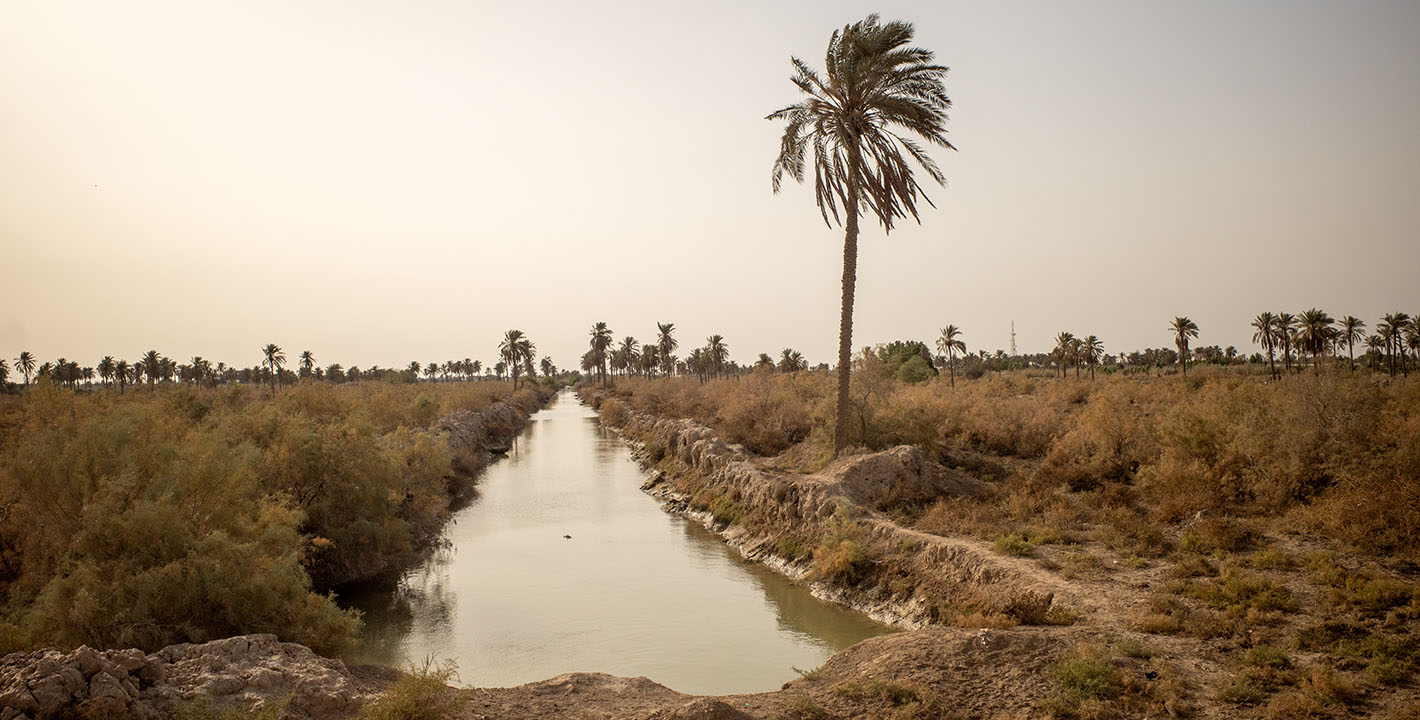
Across the Middle East and North Africa, climate stress interacts with economic fragility, governance failures, social marginalization, and conflict.
Camille Ammoun
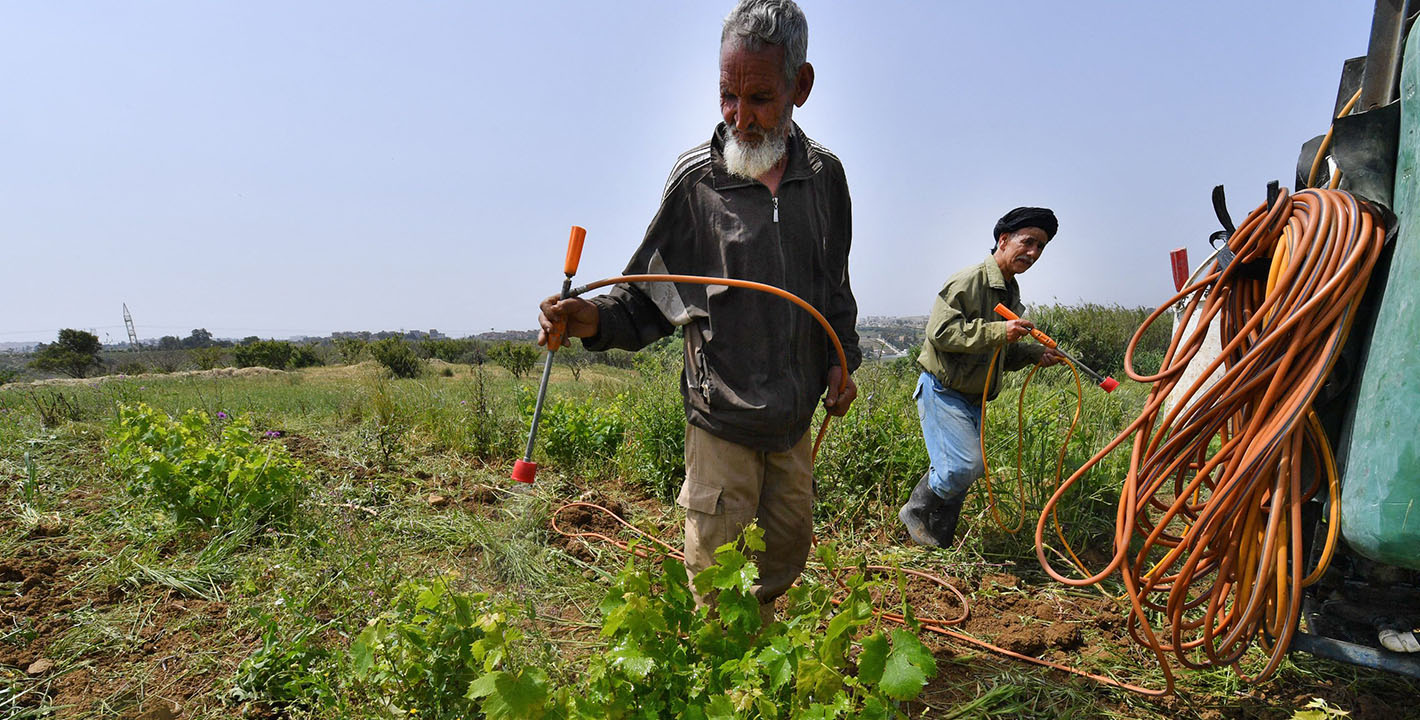
Understanding how farmers in the Oued Sahel-Soummam Valley grapple with climate change is essential for addressing the paradoxes through which adaptation, operating at both individual and institutional levels, deepens the region’s vulnerability and erodes the social fabric and agrarian identity that once defined life.
Ilyssa Yahmi
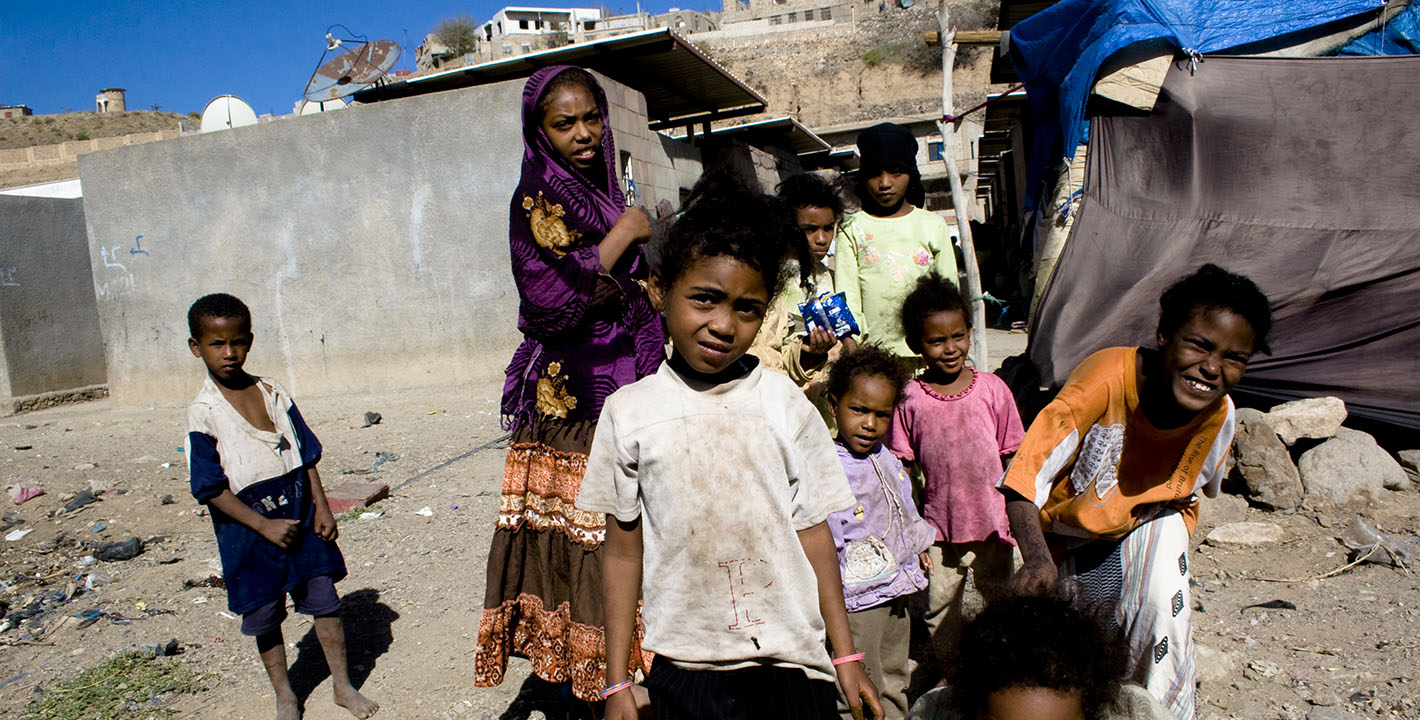
The community already suffers social discrimination, so addressing inequalities requires sustained interventions.
Musaed Aklan , Mohammad Al-Saidi
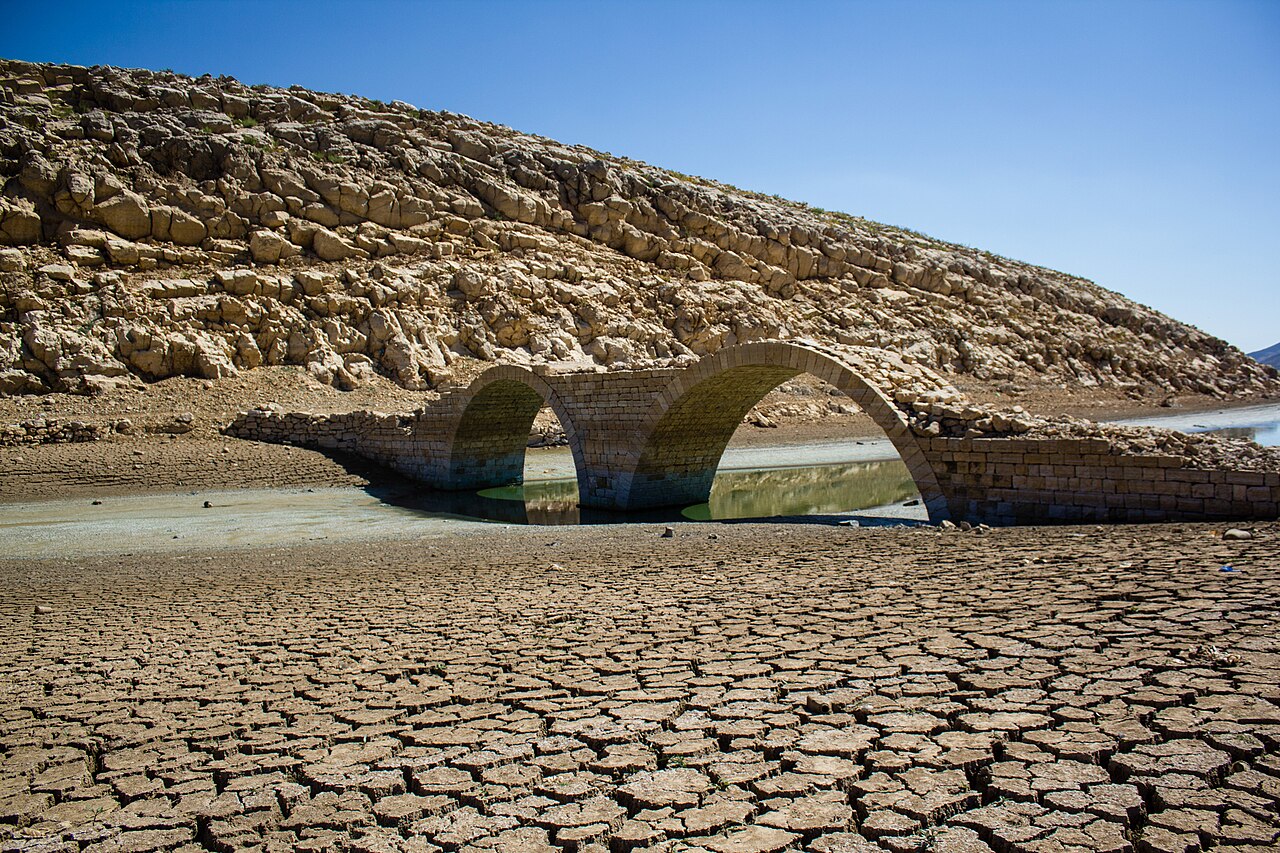
Lebanon’s largest water reservoir is a house of many mansions when it comes to converging failures.
Camille Ammoun
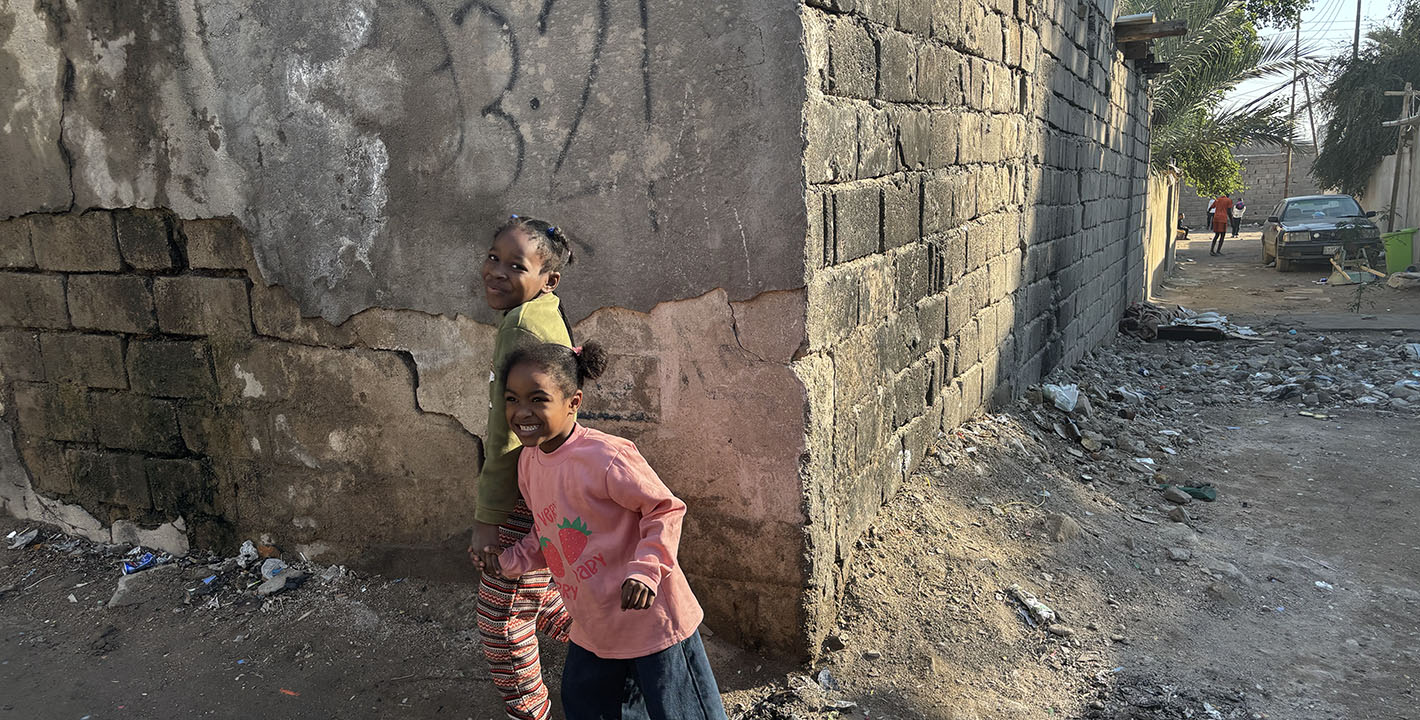
Afro-Iraqis experience political, economic, and social marginalization and discrimination, which exposes the poorest members of the community to the harsh realities of the region’s climate disaster.
Zeinab Shuker