

Other
Michael D. Swaine
{
  "authors": [
    "Michael D. Swaine"
  ],
  "type": "legacyinthemedia",
  "centerAffiliationAll": "dc",
  "centers": [
    "Carnegie Endowment for International Peace"
  ],
  "collections": [],
  "englishNewsletterAll": "asia",
  "nonEnglishNewsletterAll": "",
  "primaryCenter": "Carnegie Endowment for International Peace",
  "programAffiliation": "AP",
  "programs": [
    "Asia"
  ],
  "projects": [],
  "regions": [
    "North America",
    "United States",
    "East Asia",
    "China",
    "Southeast Asia"
  ],
  "topics": [
    "Security",
    "Military",
    "Foreign Policy"
  ]
}
Source: Getty
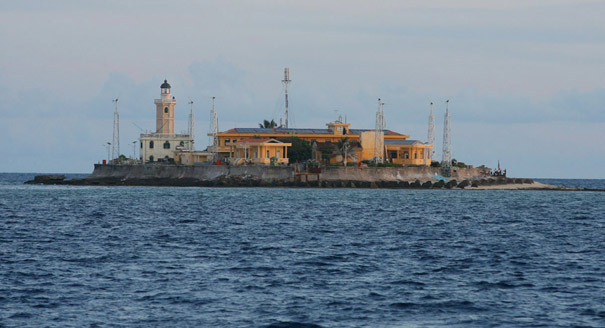
CCTV America interviewed Michael Swaine on the arbitration result issued by the Permanent Court of Arbitration in The Hague in a case unilaterally brought by the Philippines against China in 2013.
Source: CCTV America
Swaine argues that the United States will look at the ruling as a legal judgment that has been made and one that the parties involved should respect and uphold. The United States supports the legal proceedings, but does not regard it as a panecea. For the U.S., the ruling provides a basis in international law of what a lot of these features are and what this means for the various governments invovled. At the same time, both sides have left the door open for bilateral negotiations. Filipino president-elect Duterte has in fact given a greater indication of willingness to talk with China. Swaine argues that it would be wise if Duterte took the Hague's decision as an opportunity to not be more assertive but in making an initiative to try to resume negotiations with the Chinese.
Former Senior Fellow, Asia Program
Swaine was a senior fellow at the Carnegie Endowment for International Peace and one of the most prominent American analysts in Chinese security studies.
Recent Work
Michael D. Swaine
Michael D. Swaine
Carnegie does not take institutional positions on public policy issues; the views represented herein are those of the author(s) and do not necessarily reflect the views of Carnegie, its staff, or its trustees.
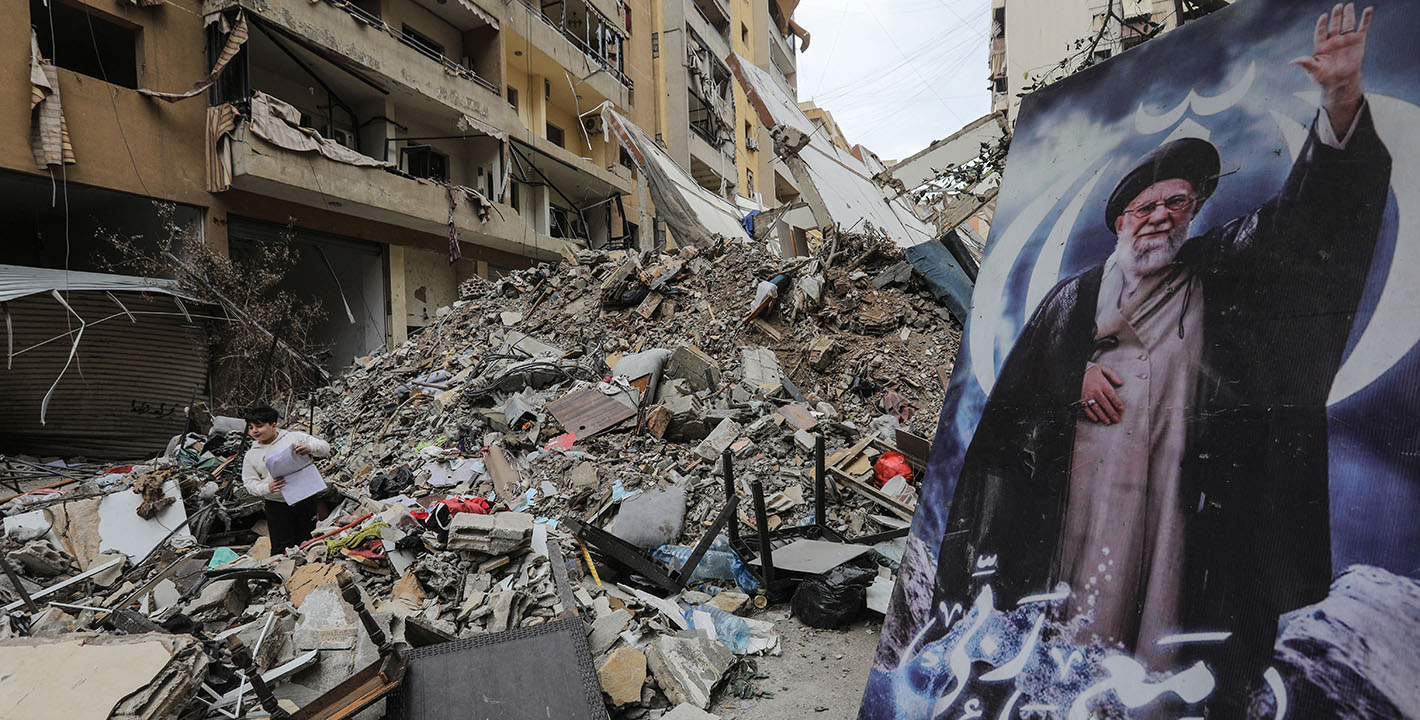
As talks begin between Washington and Tehran, Beirut has an opening to advance a regional plan for the party’s disarmament.

Michael Young
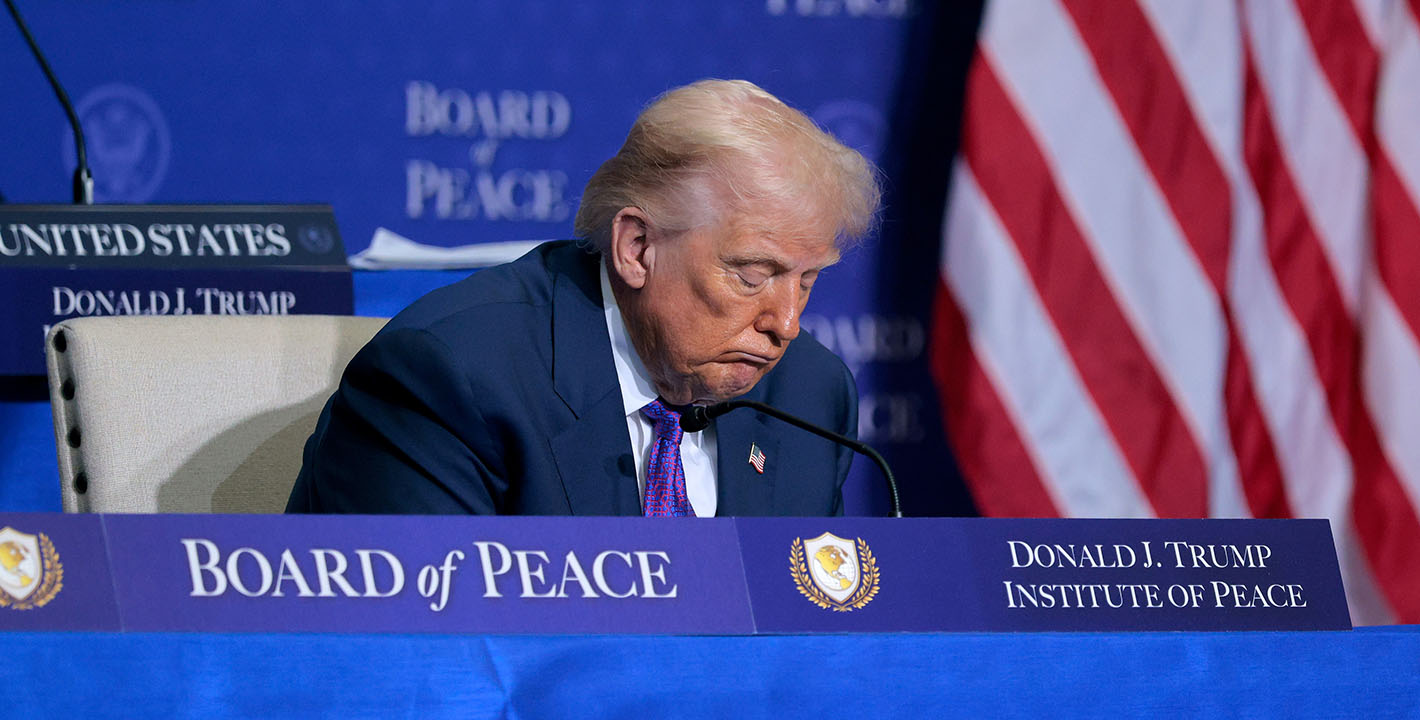
What is behind Marco Rubio’s announcement that the body is now an international nongovernmental organization?
Zaha Hassan
Policy discussion is ignoring that the Palestinian national project is hollowed out and apartheid is a present danger.

Nathan J. Brown
As negotiations with Iran and Lebanon continue, chaos is at the heart of the Netanyahu government’s calculations.
Michael Young
The party’s domestic and regional roles have changed, so Lebanon should devise a disarmament strategy that encompasses this.
Michael Young