

Commentary
In an interview, Ian Lustick and Eli Clifton discuss their new book on why a prominent ally has so much influence in America.
Michael Young
{
  "authors": [
    "Arushi Kumar"
  ],
  "type": "legacyinthemedia",
  "centerAffiliationAll": "",
  "centers": [
    "Carnegie Endowment for International Peace",
    "Carnegie India"
  ],
  "collections": [],
  "englishNewsletterAll": "",
  "nonEnglishNewsletterAll": "",
  "primaryCenter": "Carnegie India",
  "programAffiliation": "",
  "programs": [],
  "projects": [],
  "regions": [
    "South Asia",
    "Afghanistan",
    "India"
  ],
  "topics": [
    "Foreign Policy",
    "Security"
  ]
}
Source: Getty
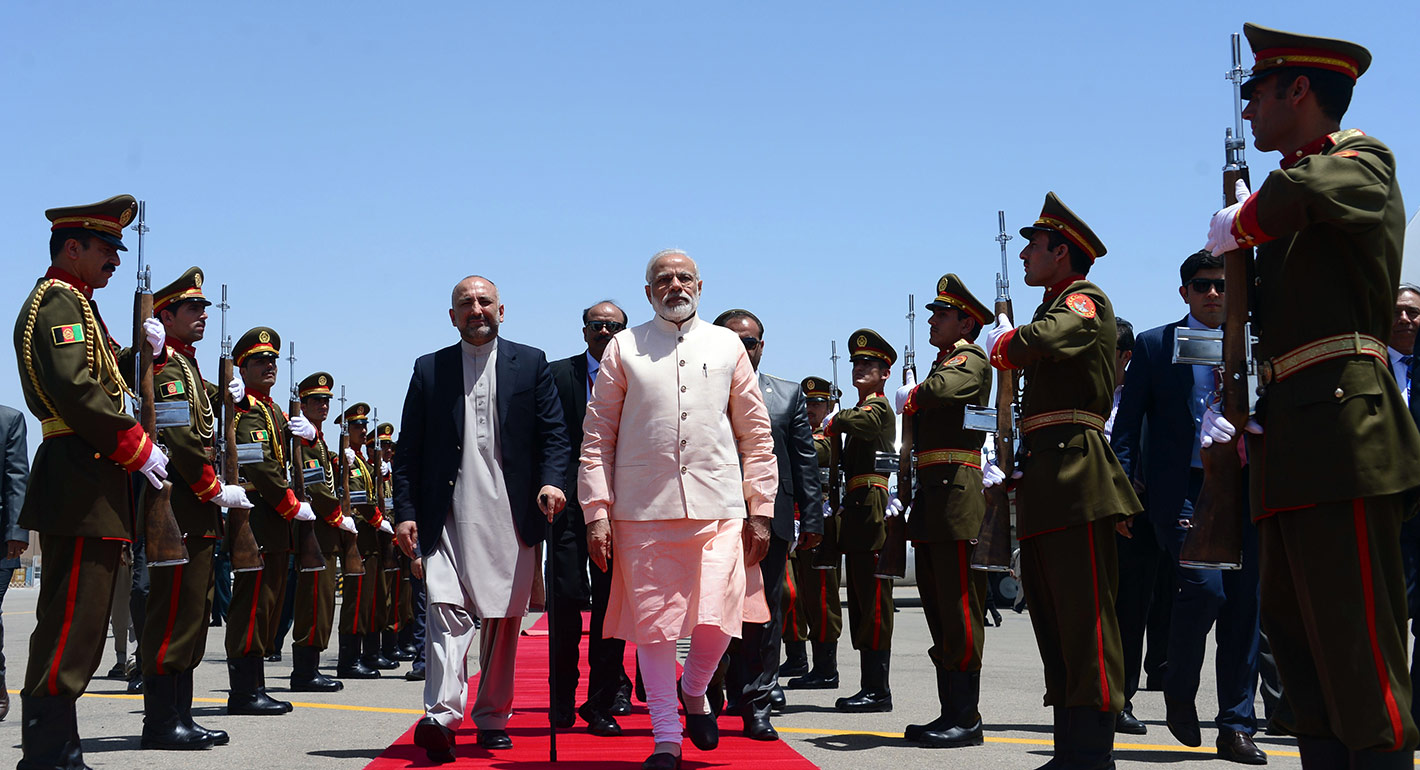
Donald Trump’s presidency presents an unexpected opportunity for India in its continued efforts to stabilize Afghanistan.
Source: Diplomat
Donald Trump’s presidency presents an unexpected opportunity for India in its continued efforts to stabilize Afghanistan. As Western forces reduce their presence on Afghan soil and the formidable Haqqani-Taliban combination consolidates control over increasingly larger areas, the Afghan government’s position continues to diminish. The Trump administration brings with it the opportunity to make a concrete shift in policy to deal with the challenges that threaten to undo the progress made in Afghanistan over the last decade and a half. Given President Donald Trump, Secretary of Defense Gen. James Mattis, and National Security Advisor Lt. Gen. Michael Flynn’s statements on Afghanistan, the incoming administration may push for increased troop levels in Afghanistan and confront Pakistan over its role as the major destabilizing force in South Asia.
Arushi Kumar
Carnegie does not take institutional positions on public policy issues; the views represented herein are those of the author(s) and do not necessarily reflect the views of Carnegie, its staff, or its trustees.

In an interview, Ian Lustick and Eli Clifton discuss their new book on why a prominent ally has so much influence in America.

Michael Young

By failing to address Palestinian representation, the current process is bound to lead to just another temporary arrangement.

Nathan J. Brown

Just look at Iraq in 1991.

Marwan Muasher

A coalition of states is seeking to avert a U.S. attack, and Israel is in the forefront of their mind.
Michael Young

Baku may allow radical nationalists to publicly discuss “reunification” with Azeri Iranians, but the president and key officials prefer not to comment publicly on the protests in Iran.

Bashir Kitachaev