

Research
- +6
Yasmine Farouk, Nathan J. Brown, Maysaa Shuja Al-Deen, …
{
  "authors": [
    "Anouar Boukhars"
  ],
  "type": "legacyinthemedia",
  "centerAffiliationAll": "dc",
  "centers": [
    "Carnegie Endowment for International Peace"
  ],
  "collections": [],
  "englishNewsletterAll": "menaTransitions",
  "nonEnglishNewsletterAll": "",
  "primaryCenter": "Carnegie Endowment for International Peace",
  "programAffiliation": "MEP",
  "programs": [
    "Middle East"
  ],
  "projects": [],
  "regions": [
    "North Africa"
  ],
  "topics": [
    "Democracy",
    "Security",
    "Military"
  ]
}
Source: Getty
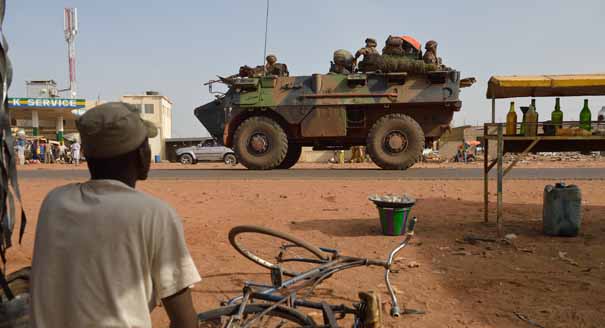
The need for a more cooperative regional context in the Sahel and West Africa has never been as pressing, but in order for key players to harness their catalytic power, the region’s leaders must do better domestically.
Source: World Politics Review
Crises and upheaval in the Sahel and West Africa have altered the regional security terrain. Challenges that were once disparate and manageable are increasingly becoming intertwined and more pronounced. With the growing mobility of conflicts, the need for a more cooperative regional context has never been as pressing. Each country in the region has a stake in improving stability, and collectively they have the capacity to tackle the threats to peace and security—but first, they each must overcome a host of domestic obstacles.
The influence of four countries in particular—Morocco, Algeria, Chad and Nigeria—is a central fact of geopolitics in West Africa and the Sahel. For good or ill, their domestic structures, power capabilities, threat perceptions and strategic outlooks illustrate the potentials and pitfalls of their roles in boosting regional security and cooperation. When they fall into hard times—political stasis, economic turmoil or internal violence—their neighbors bear the brunt of their difficulties.Nigeria and Algeria are examples of regional powers that perform well below their potential; Chad, by contrast, is a single-dimensional military power that punches well above its weight. Despite significant governance and developmental deficits, Chad has emerged as a critical player in the fight against violent extremism. And of the four powers, Morocco has demonstrated the centrality of soft power as a complement to hard power—in strengthening both counterterrorism measures and regional cohesion more broadly...
Former Nonresident Fellow, Middle East Program
Boukhars was a nonresident fellow in Carnegie’s Middle East Program. He is a professor of countering violent extremism and counter-terrorism at the Africa Center for Strategic Studies, National Defense University.
Recent Work



Yasmine Farouk, Nathan J. Brown, Maysaa Shuja Al-Deen, …

Frederic Wehrey, Nathan J. Brown, Bader Al-Saif, …
Carnegie does not take institutional positions on public policy issues; the views represented herein are those of the author(s) and do not necessarily reflect the views of Carnegie, its staff, or its trustees.

The armed forces champion a form of capitalism that is generating revenue, but its reliance on rent faces diminishing returns, leaving the country with massive sunk costs and deferred returns, deepening dependency on external borrowing.

Yezid Sayigh
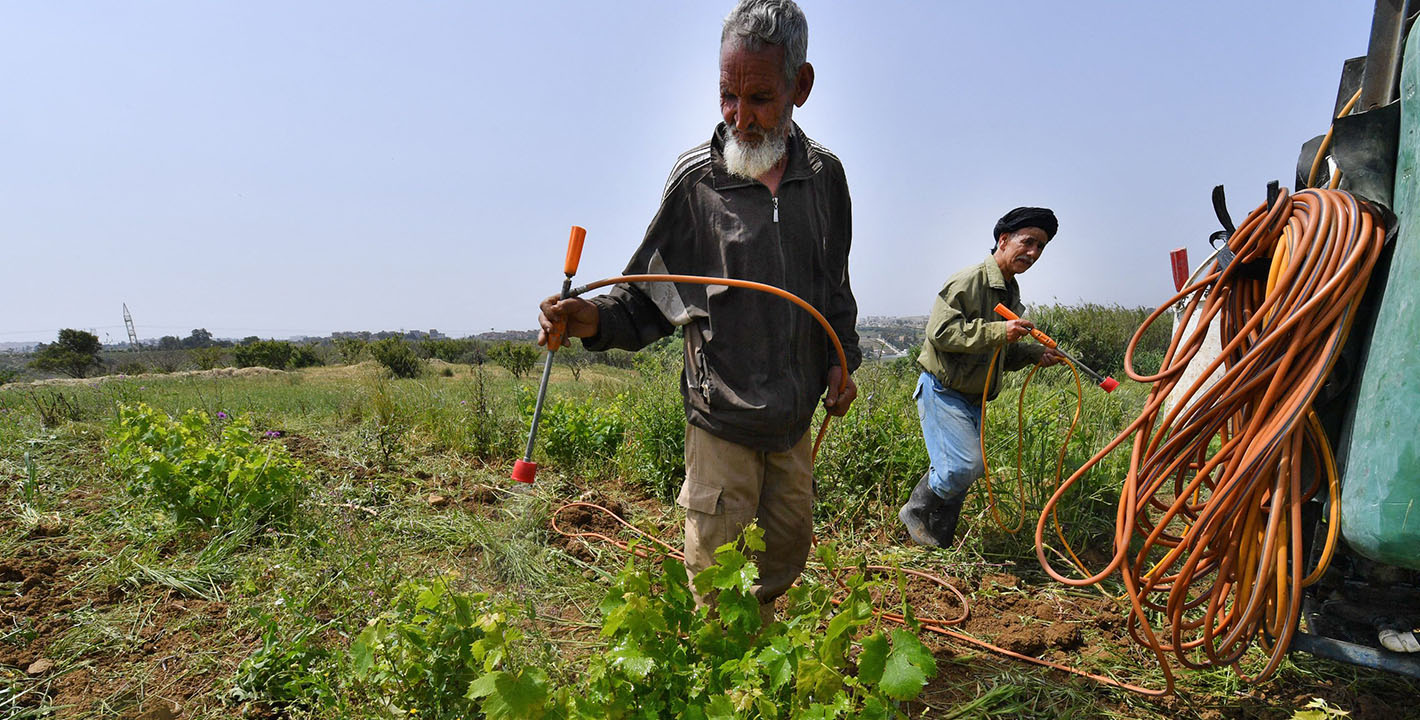
Understanding how farmers in the Oued Sahel-Soummam Valley grapple with climate change is essential for addressing the paradoxes through which adaptation, operating at both individual and institutional levels, deepens the region’s vulnerability and erodes the social fabric and agrarian identity that once defined life.

Ilyssa Yahmi

Just look at Iraq in 1991.

Marwan Muasher
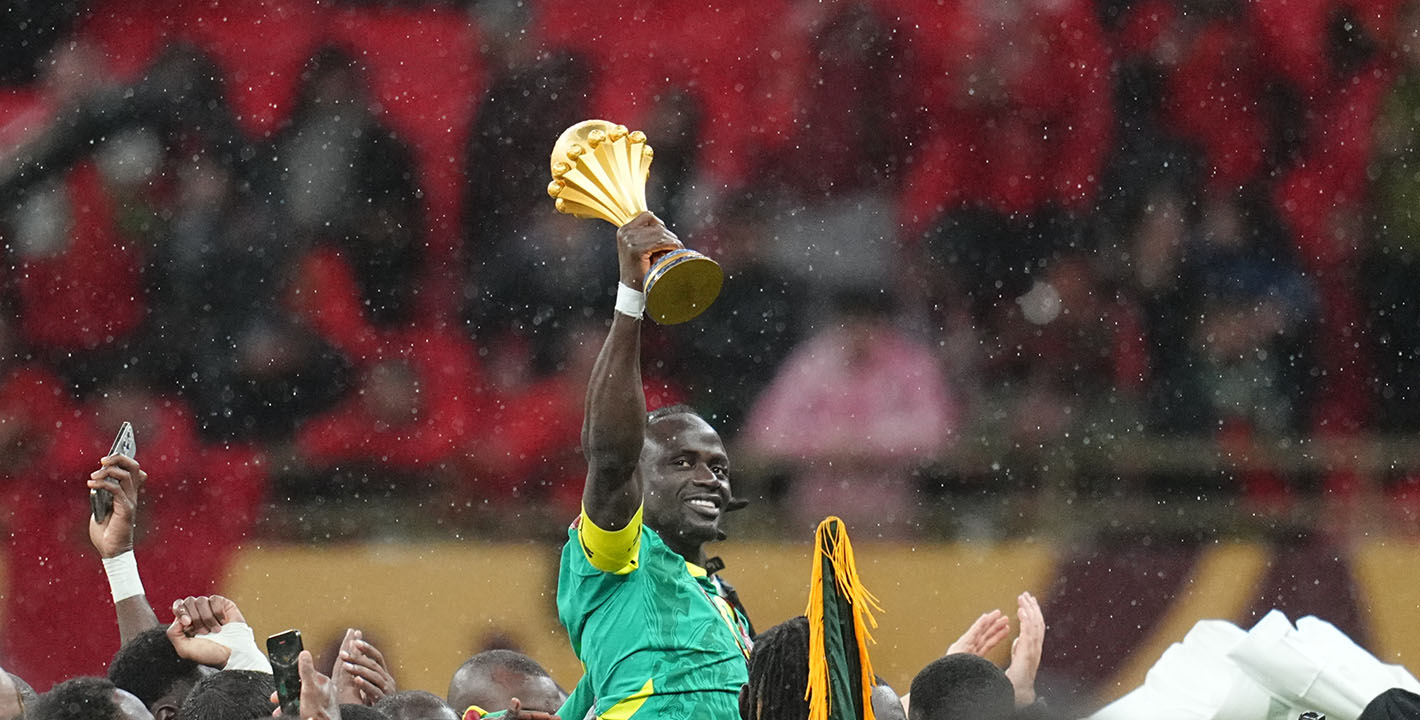
The recent African Cup of Nations tournament in Morocco touched on issues that largely transcended the sport.


Issam Kayssi, Yasmine Zarhloule

Baku may allow radical nationalists to publicly discuss “reunification” with Azeri Iranians, but the president and key officials prefer not to comment publicly on the protests in Iran.

Bashir Kitachaev