

Research
- +6
Yasmine Farouk, Nathan J. Brown, Maysaa Shuja Al-Deen, …
{
  "authors": [
    "Anouar Boukhars"
  ],
  "type": "other",
  "centerAffiliationAll": "dc",
  "centers": [
    "Carnegie Endowment for International Peace",
    "Malcolm H. Kerr Carnegie Middle East Center"
  ],
  "collections": [
    "Arab Awakening"
  ],
  "englishNewsletterAll": "menaTransitions",
  "nonEnglishNewsletterAll": "",
  "primaryCenter": "Carnegie Endowment for International Peace",
  "programAffiliation": "MEP",
  "programs": [
    "Middle East"
  ],
  "projects": [],
  "regions": [
    "North Africa",
    "Tunisia",
    "Maghreb"
  ],
  "topics": [
    "Political Reform",
    "Democracy",
    "Security"
  ]
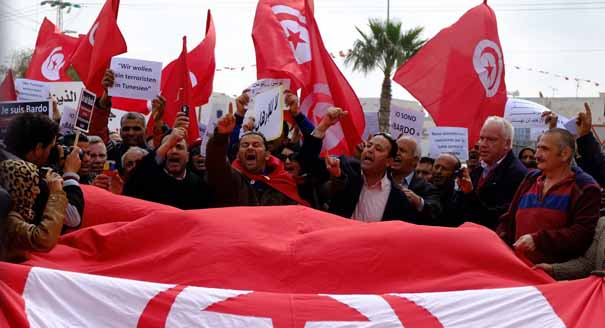
}
Source: Getty
Tunisia’s unemployment rate and sharp regional economic inequalities are undermining faith in elite settlements and state institutions.
Source: African Security Review
Six years after the revolution that ousted Zine El-Abidine Ben Ali, Tunisia remains in flux. On the face of it, the country should be celebrated for transitioning from political ferment to consensual normalcy. Unfortunately, there is more to Tunisia’s transition to consensual politics than meets the eye. The country is still caught in a turbulent grey zone where strong authoritarian tendencies threaten to pull down the country’s tortuous march towards democratic stability. Some developments are particularly worrisome. The old authoritarian discourse emphasising stability and law and order has regained credence. The repressive habits of the police and security services are also back in full swing. The outlook for democratic stability darkens as the chasm between ordinary citizens and political elites expands. The lurch towards illiberalism and the failure of the successive postrevolutionary governments to make even the slightest dent in Tunisia’s dreadful unemployment rate and sharp regional economic inequalities are undermining faith in elite settlements and state institutions...
The full text of this article can be found at the African Security Review.
Former Nonresident Fellow, Middle East Program
Boukhars was a nonresident fellow in Carnegie’s Middle East Program. He is a professor of countering violent extremism and counter-terrorism at the Africa Center for Strategic Studies, National Defense University.
Recent Work



Yasmine Farouk, Nathan J. Brown, Maysaa Shuja Al-Deen, …

Frederic Wehrey, Nathan J. Brown, Bader Al-Saif, …
Carnegie does not take institutional positions on public policy issues; the views represented herein are those of the author(s) and do not necessarily reflect the views of Carnegie, its staff, or its trustees.

The armed forces champion a form of capitalism that is generating revenue, but its reliance on rent faces diminishing returns, leaving the country with massive sunk costs and deferred returns, deepening dependency on external borrowing.

Yezid Sayigh

Morocco and Algeria, each in its own way, are having to navigate the global economic fallout of the U.S.-Israeli military campaign against Iran.

Yasmine Zarhloule
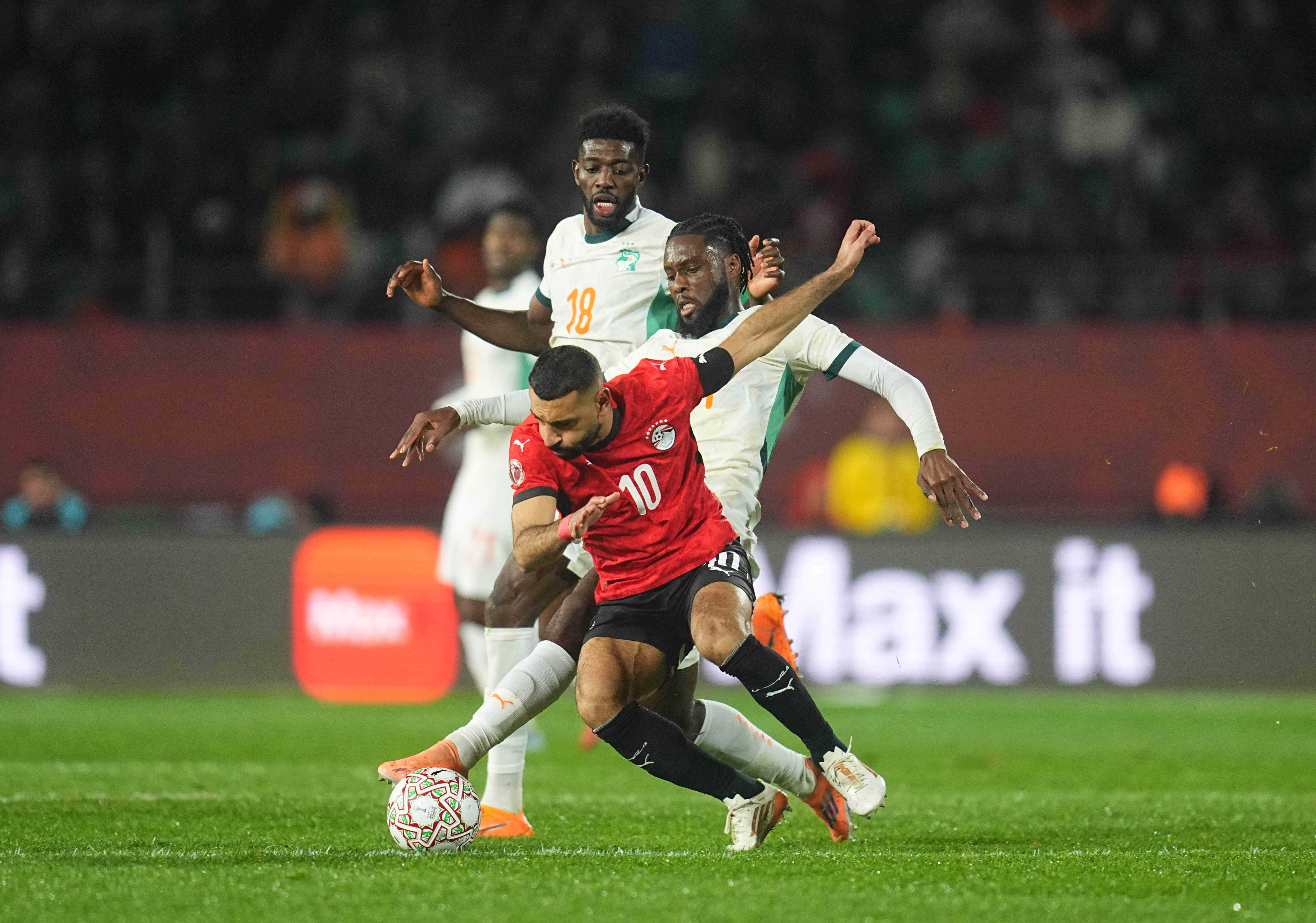
This will be the region’s most representative tournament, amid broad changes in its footballing landscape.

Issam Kayssi
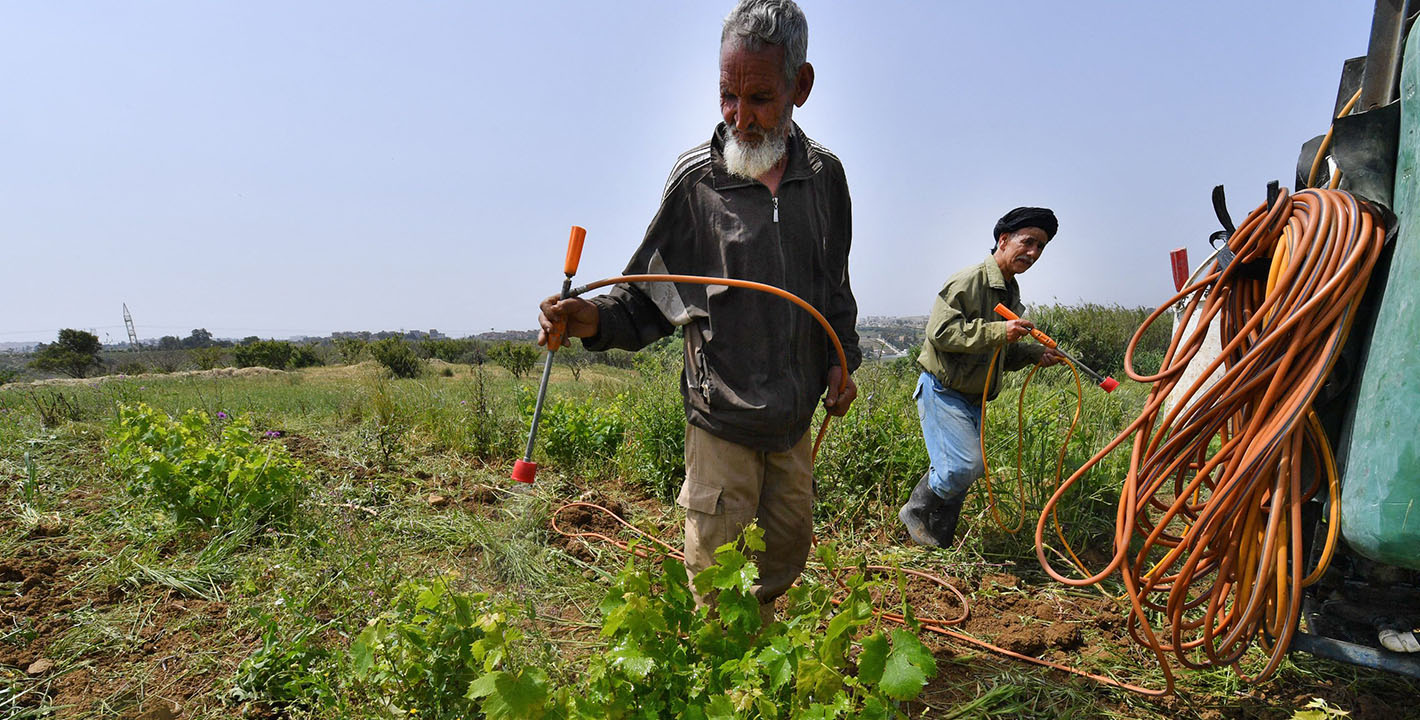
Understanding how farmers in the Oued Sahel-Soummam Valley grapple with climate change is essential for addressing the paradoxes through which adaptation, operating at both individual and institutional levels, deepens the region’s vulnerability and erodes the social fabric and agrarian identity that once defined life.

Ilyssa Yahmi
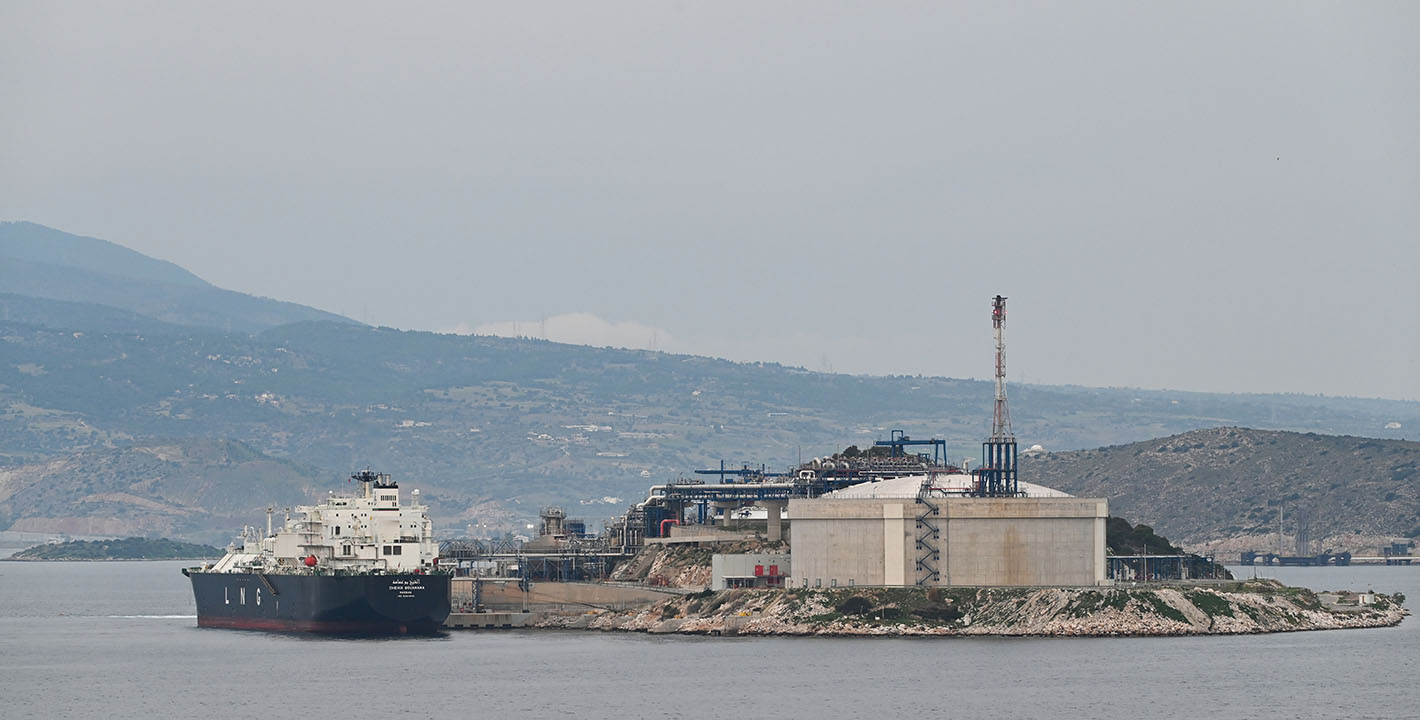
Unless the European Union-led energy transition provides economic development to Algeria, Morocco, and Tunisia, the process may be perceived as a new form of extraction.
Yasmine Zarhloule