

Q&A
Eugene Rumer
{
  "authors": [
    "Eugene Rumer"
  ],
  "type": "other",
  "centerAffiliationAll": "dc",
  "centers": [
    "Carnegie Endowment for International Peace"
  ],
  "collections": [],
  "englishNewsletterAll": "ctw",
  "nonEnglishNewsletterAll": "",
  "primaryCenter": "Carnegie Endowment for International Peace",
  "programAffiliation": "russia",
  "programs": [
    "Russia and Eurasia"
  ],
  "projects": [],
  "regions": [
    "Russia"
  ],
  "topics": [
    "Political Reform",
    "Foreign Policy"
  ]
}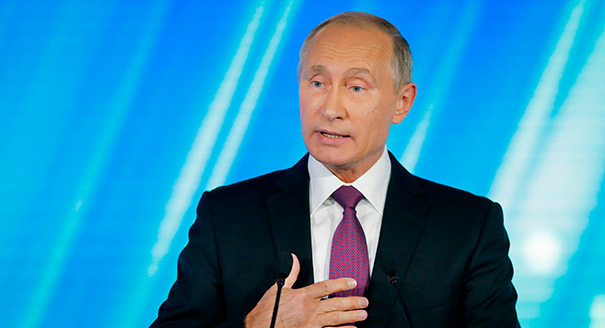
Source: Getty
A discussion of expectations for Putin’s fourth term within the context of an increasingly fraught U.S.-Russia relationship.
Source: Center for Strategic and International Studies
The Center for Strategic and International Studies (CSIS) hosted a discussion in advance of Russia’s 2018 presidential election with Carnegie’s Eugene Rumer, RAND’s Samuel Charap, George Washington University’s Henry Hale, CSIS’s Olga Oliker, Georgetown University’s Angela Stent, and moderated by Susan Glasser of Politico. The experts unpacked Russian attitudes, politics, and interests on the eve of the March elections. Rumer discussed possible U.S. responses to the attack against former Russian double agent Sergei Skripal in the United Kingdom, efforts to get out the vote ahead of the election, and Putin’s fourth term agenda. He also emphasized Putin’s dichotomous goals for Russia to be a major global power and simultaneously isolated from the rest of the world.
This event was hosted by the Center for Strategic and International Studies.
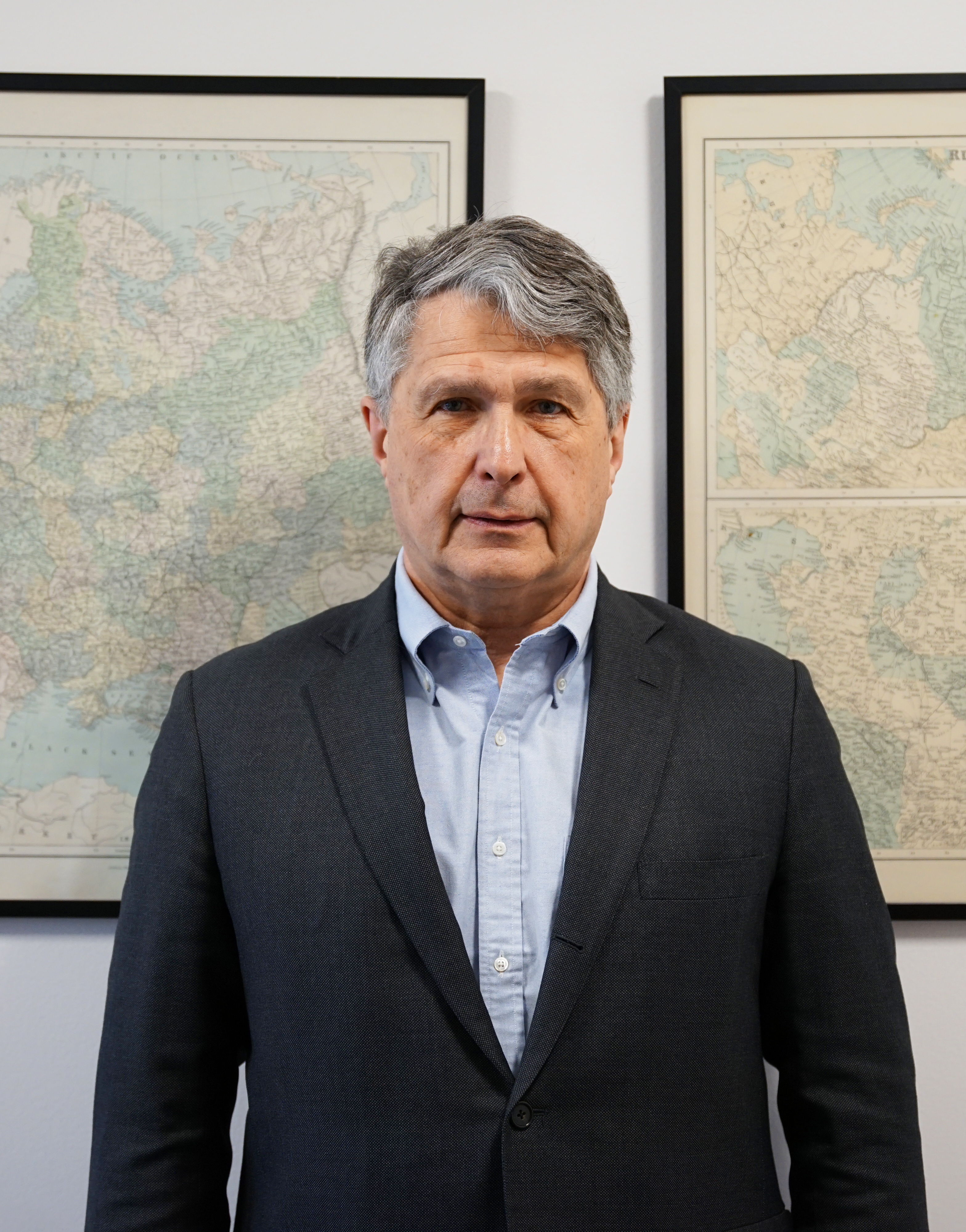
Director and Senior Fellow, Russia and Eurasia Program
Rumer, a former national intelligence officer for Russia and Eurasia at the U.S. National Intelligence Council, is a senior fellow and the director of Carnegie’s Russia and Eurasia Program.
Recent Work
Eugene Rumer
Eugene Rumer
Carnegie does not take institutional positions on public policy issues; the views represented herein are those of the author(s) and do not necessarily reflect the views of Carnegie, its staff, or its trustees.

By failing to address Palestinian representation, the current process is bound to lead to just another temporary arrangement.

Nathan J. Brown

Just look at Iraq in 1991.

Marwan Muasher

A coalition of states is seeking to avert a U.S. attack, and Israel is in the forefront of their mind.

Michael Young

Baku may allow radical nationalists to publicly discuss “reunification” with Azeri Iranians, but the president and key officials prefer not to comment publicly on the protests in Iran.

Bashir Kitachaev
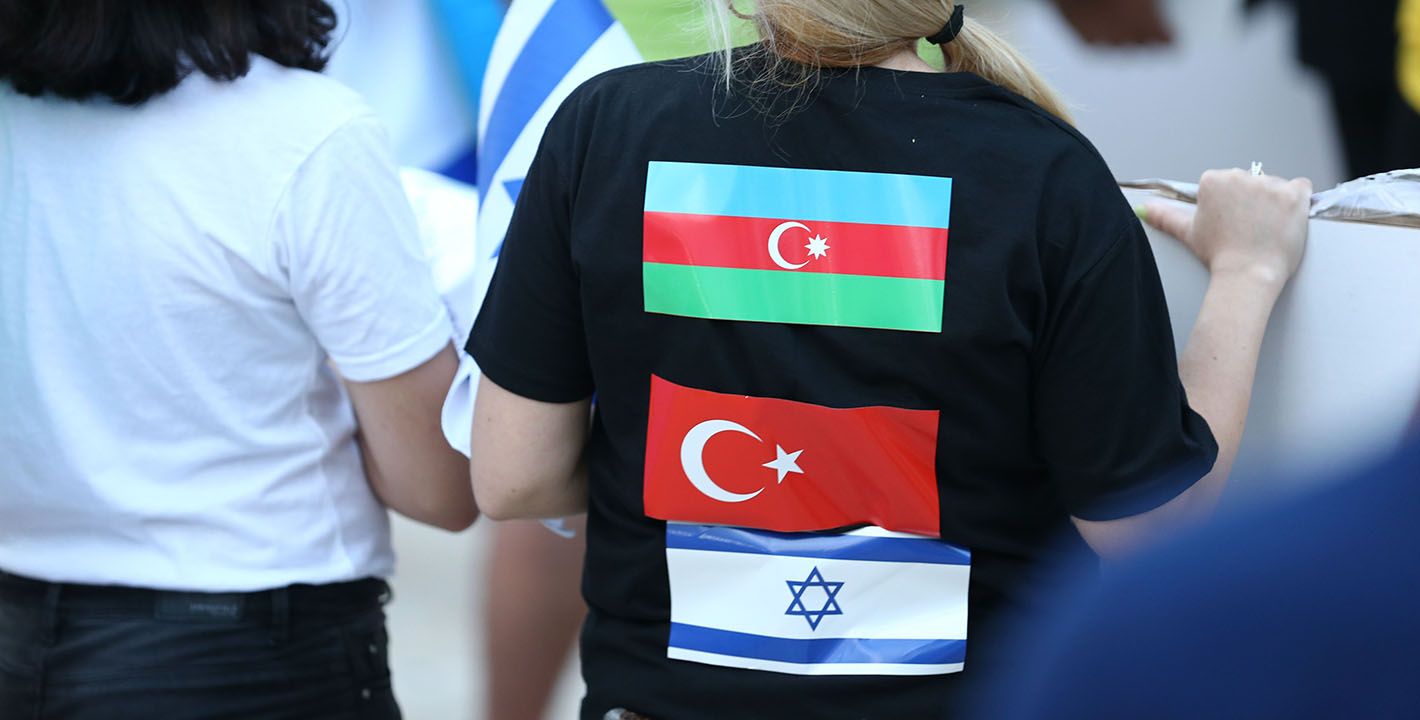
The country’s leadership is increasingly uneasy about multiple challenges from the Levant to the South Caucasus.

Armenak Tokmajyan