

Research
- +8
William J. Burns, Michael Chertoff, Catherine Ashton, …
{
  "authors": [
    "William J. Burns"
  ],
  "type": "legacyinthemedia",
  "centerAffiliationAll": "",
  "centers": [
    "Carnegie Endowment for International Peace",
    "Malcolm H. Kerr Carnegie Middle East Center"
  ],
  "collections": [],
  "englishNewsletterAll": "",
  "nonEnglishNewsletterAll": "",
  "primaryCenter": "Carnegie Endowment for International Peace",
  "programAffiliation": "",
  "programs": [],
  "projects": [],
  "regions": [
    "North America",
    "United States",
    "Middle East",
    "Israel",
    "Palestine",
    "Levant"
  ],
  "topics": [
    "Political Reform",
    "Democracy",
    "Security",
    "Foreign Policy"
  ]
}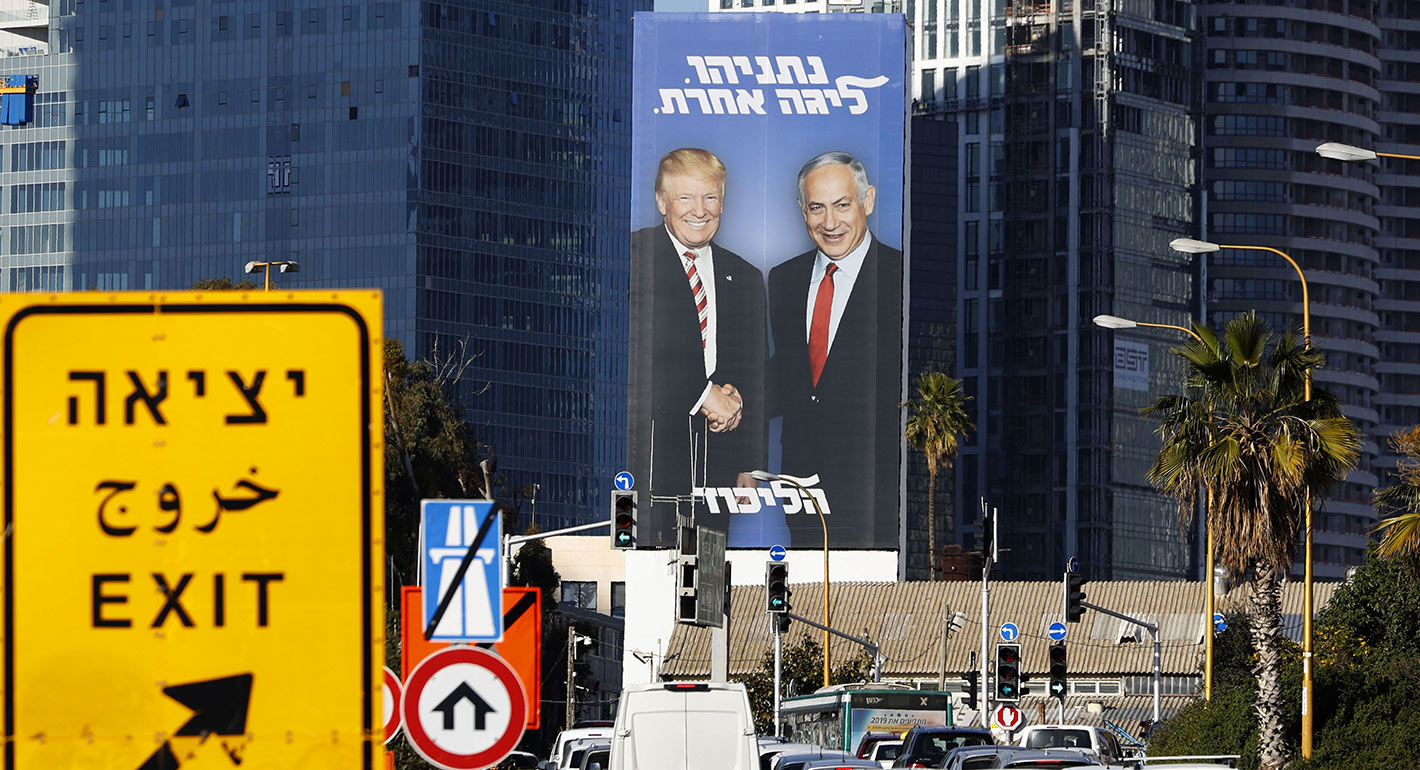
Source: Getty
The Trump Administration’s “deal of the century” will bury the two-state solution.
Source: Washington Post
There are usually two kinds of speeches in U.S. foreign policy: frameworks for action and substitutes for action. When it comes to laying out plans for Arab-Israeli peace, the default option has all too often been the latter, offering motion instead of movement.
If President Trump’s “ deal of the century” is launched as promised in the coming weeks, against the backdrop of Gaza violence in recent days, it will likely be something altogether different: a eulogy for the two-state solution. In keeping with his disdain for conventional wisdom and his bent for disruption, Trump might bury what is still the only viable plan of action for Israelis and Palestinians, without offering anything resembling a workable substitute.
Neither Trump nor his son-in-law and chief negotiator, Jared Kushner, invented the steady decay of the two-state solution in recent years, or the pathologies of regional leaders consumed by their grievances and short-term political concerns. Nor is the White House wrong to question past strategies or tactics. Based on what can be gleaned about the new plan, however, Trump and Kushner appear to be animated by a set of terminally flawed assumptions and illusions.
The first is that they can maneuver over and around Palestinians in negotiating a peace deal. The administration has effectively abandoned dialogue with the Palestinian leadership and marginalized Palestinian concerns, embracing instead the agenda of the Israeli right. That can be seen in moving the U.S. Embassy to Jerusalem; closing the East Jerusalem consulate charged with engaging Palestinians; sharply reducing lifesaving assistance programs; condoning settlement expansion; recognizing Israel’s sovereignty over the Golan Heights and hinting that the administration is prepared to do the same in the West Bank.
In 3½ decades of government service, I never saw an American president concede so much, so soon, for so little.
It is tempting to think that shared animus toward Iran and Sunni Arab terrorists would give some Arab states an interest in working with the current Israeli government and the Trump administration to muzzle Palestinian political aspirations. The growing intersection of interests between Israel and Arab states is a good thing, and a long-standing objective of U.S. policy. But it is not a substitute for Israelis and Palestinians dealing directly with one another. Whatever the leaders of Arab states might whisper in private, there is zero chance that they would offer serious support for any peace plan that does not include a credible path to Palestinian statehood.
Second, it is a delusion to think that the legitimate hopes of Palestinians for political dignity and statehood, even if constrained by legitimate Israeli security concerns, can be bought off by economic incentives. If this problem could have been reduced to dollars and cents, it would have been solved long ago. Even if money were the solution, neither the United States nor the Gulf Arabs are likely to deliver the enormous funding required.
Third, it is dangerous to assume that time is on our side — that eventually the Palestinians can be coerced or worn down into accepting something less than statehood, without any lasting costs for Israel. That is a recipe for more unrest and human tragedy. And given demographic realities, with Arabs soon to emerge as the majority in the land Israel controls from the Jordan River to the Mediterranean, it is also a recipe for the erosion of Israel as a Jewish democracy. That in turn could have profound consequences for the U.S.-Israeli alliance and the American public affinity on which it rests.
Finally, the potential for collateral damage should not be underestimated. Jordan, a reliable, moderate U.S. partner in a region where reliability and moderation are endangered species, will find itself in a very hard place if the Palestinians’ dream of a state of their own dies, and right-wing Israelis revive the old, combustible idea of exporting Palestinian national aspirations to the other side of the Jordan River. Autocrats in Egypt and Saudi Arabia would be caught between their own restive populations and a U.S. administration that indulges their repressive habits and expects some degree of support for its peace plan.
The Middle East remains the land of bad policy options for the United States. But there is a difference between having bad options and making bad choices. The illusions of the “deal of the century” seem only partly born of arrogance and the magical properties of fresh thinking. There is also an element that is purposeful and willful, apparently designed to make it impossible to resurrect hopes for two states for two peoples. That is the riskiest proposition of all.
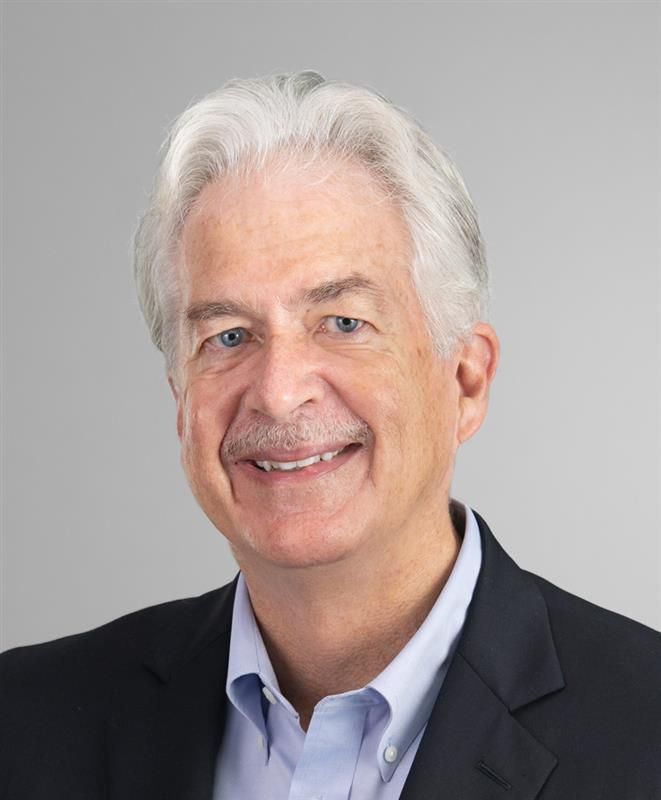
Former Carnegie President (2015-2021)
A former career diplomat, William J. Burns served as director of the CIA, deputy secretary of State, and ambassador to Russia and Jordan. Burns was also president of the Carnegie Endowment for International Peace from 2015 to 2021.
Recent Work
William J. Burns, Michael Chertoff, Catherine Ashton, …
William J. Burns
Carnegie does not take institutional positions on public policy issues; the views represented herein are those of the author(s) and do not necessarily reflect the views of Carnegie, its staff, or its trustees.
Reconciliation councils are emerging throughout the country to mediate in intracommunal disputes, many from the war years.
Natacha Danon
In an interview, Rozina Ali discusses her new book on the rise and manifestations of Islamophobia in the United States.

Michael Young
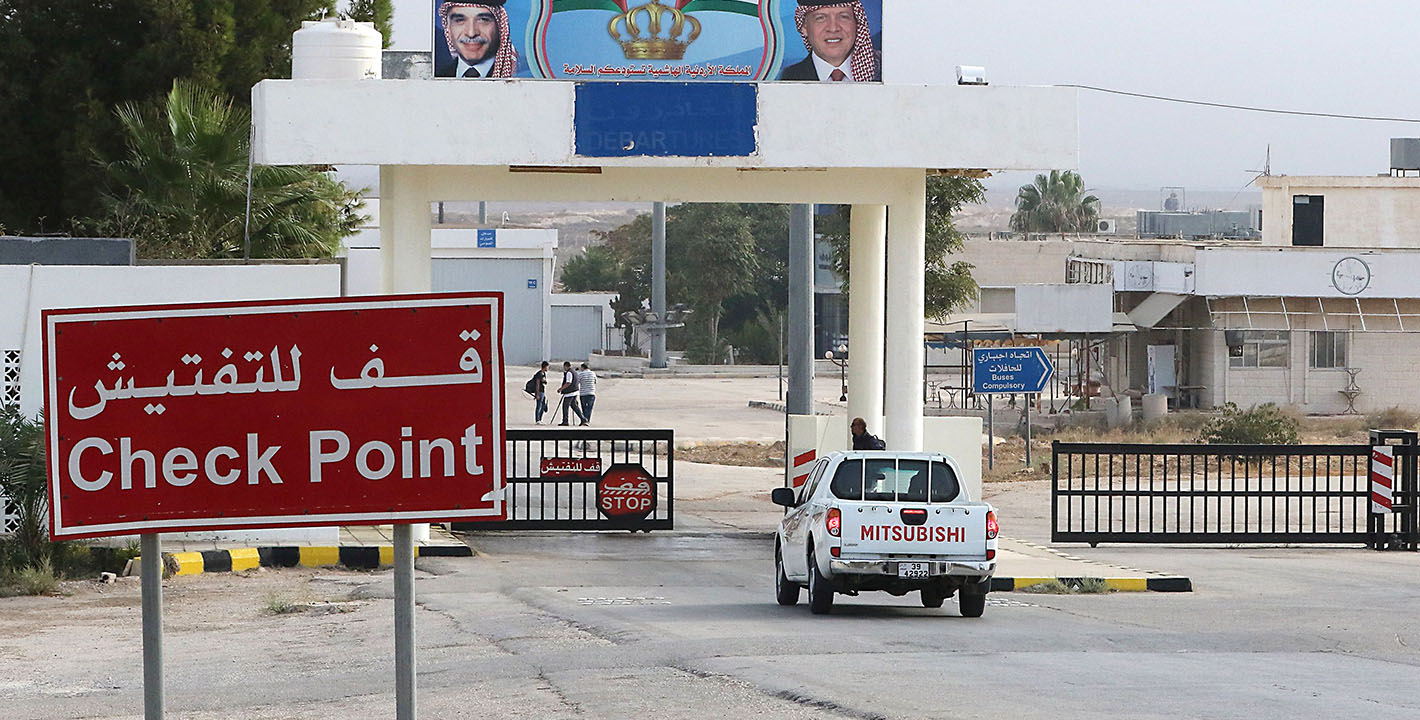
The civil war in Syria may have ended, but the country continues to serve as a source for the trafficking of illegal substances into and via Jordanian territory.

Armenak Tokmajyan, Laith Qerbaa
As the U.S.-led Coalition withdraws, the Kurds’ reliance on Baghdad, and on themselves, will only increase.
Wladimir van Wilgenburg

In an interview, Ian Lustick and Eli Clifton discuss their new book on why a prominent ally has so much influence in America.
Michael Young