

Commentary
In an interview, Rozina Ali discusses her new book on the rise and manifestations of Islamophobia in the United States.
Michael Young
{
  "authors": [
    "Ashley J. Tellis",
    "Robert D. Blackwill"
  ],
  "type": "legacyinthemedia",
  "centerAffiliationAll": "dc",
  "centers": [
    "Carnegie Endowment for International Peace"
  ],
  "collections": [],
  "englishNewsletterAll": "ctw",
  "nonEnglishNewsletterAll": "",
  "primaryCenter": "Carnegie Endowment for International Peace",
  "programAffiliation": "SAP",
  "programs": [
    "South Asia"
  ],
  "projects": [],
  "regions": [
    "North America",
    "United States",
    "South Asia",
    "India",
    "East Asia",
    "China"
  ],
  "topics": [
    "Security",
    "Military",
    "Foreign Policy"
  ]
}
Source: Getty
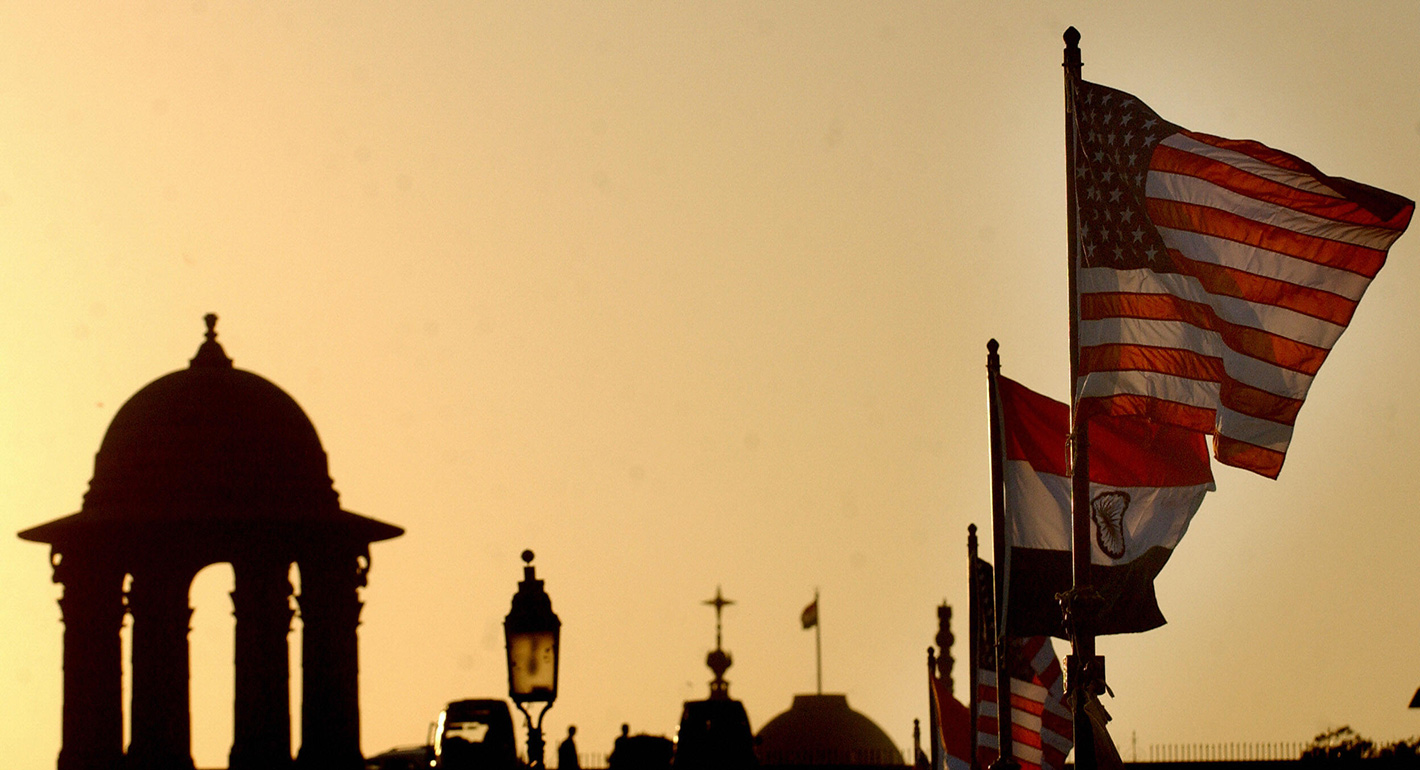
Washington and New Delhi should strive to forge a partnership oriented toward furthering common interests without expecting an alliance of any kind.
Source: Foreign Affairs
For two decades, Washington has had high hopes for India on the global stage. Gigantic, populous, and resource rich, India is, by all appearances, a superpower in waiting. And as the world’s largest democracy, it promises—according to those hopes—to be a crucial U.S. partner at a time of rising competition from authoritarian challengers.
Almost 20 years ago, acting on such expectations, Washington began resolving the disagreements that had held U.S.-Indian relations back through the Cold War and into the 1990s. During George W. Bush’s presidency, U.S. officials gave up their long-standing insistence that India relinquish its nuclear weapons, allowing Washington and New Delhi to sign a landmark nuclear accord and opening the way to heavy U.S. investments—diplomatic, economic, and military—to facilitate India’s rise. Successive U.S. administrations provided liberal access to military technologies and promoted India’s role in international institutions, culminating in President Barack Obama’s endorsement of Indian aspirations to permanent membership in the UN Security Council. Albeit imperiled by the Trump administration’s disregard for allies and partners, this basic U.S. approach continues to this day.
Yet the logic of the U.S.-Indian partnership remains misunderstood by many, especially in the United States. The transformation of U.S.-Indian ties since the early years of this century has given rise to expectations that, sooner or later, the two countries would become allies in all but name, closely aligned on virtually every major foreign policy issue. That such an accord has not materialized has brought creeping disappointment and doubt about the relationship’s long-term viability.
Former Senior Fellow
Ashley J. Tellis was a senior fellow at the Carnegie Endowment for International Peace.
Robert D. Blackwill
Robert D. Blackwill is Henry A. Kissinger Senior Fellow for U.S. Foreign Policy at the Council on Foreign Relations. He was U.S. Ambassador to India from 2001 to 2003 and Deputy National Security Adviser to U.S. President George W. Bush from 2003 to 2004.
Carnegie does not take institutional positions on public policy issues; the views represented herein are those of the author(s) and do not necessarily reflect the views of Carnegie, its staff, or its trustees.

In an interview, Rozina Ali discusses her new book on the rise and manifestations of Islamophobia in the United States.

Michael Young

In an interview, Ian Lustick and Eli Clifton discuss their new book on why a prominent ally has so much influence in America.
Michael Young

As the U.S. stumbles in its war with Iran, we are likely to see an acceleration of its disengagement from the region.
Michael Young

Middle Eastern states should welcome an accelerated U.S. disengagement from their region.
Michael Young

In an interview, former ambassador Charles Freeman assesses the Trump administration’s war against Iran.
Michael Young