

Research
- +6
Yasmine Farouk, Nathan J. Brown, Maysaa Shuja Al-Deen, …
{
  "authors": [
    "Michele Dunne"
  ],
  "type": "other",
  "centerAffiliationAll": "dc",
  "centers": [
    "Carnegie Endowment for International Peace",
    "Malcolm H. Kerr Carnegie Middle East Center"
  ],
  "collections": [
    "Arab Awakening"
  ],
  "englishNewsletterAll": "menaTransitions",
  "nonEnglishNewsletterAll": "",
  "primaryCenter": "Carnegie Endowment for International Peace",
  "programAffiliation": "MEP",
  "programs": [
    "Middle East"
  ],
  "projects": [],
  "regions": [
    "Middle East",
    "North Africa"
  ],
  "topics": [
    "Political Reform",
    "Democracy"
  ]
}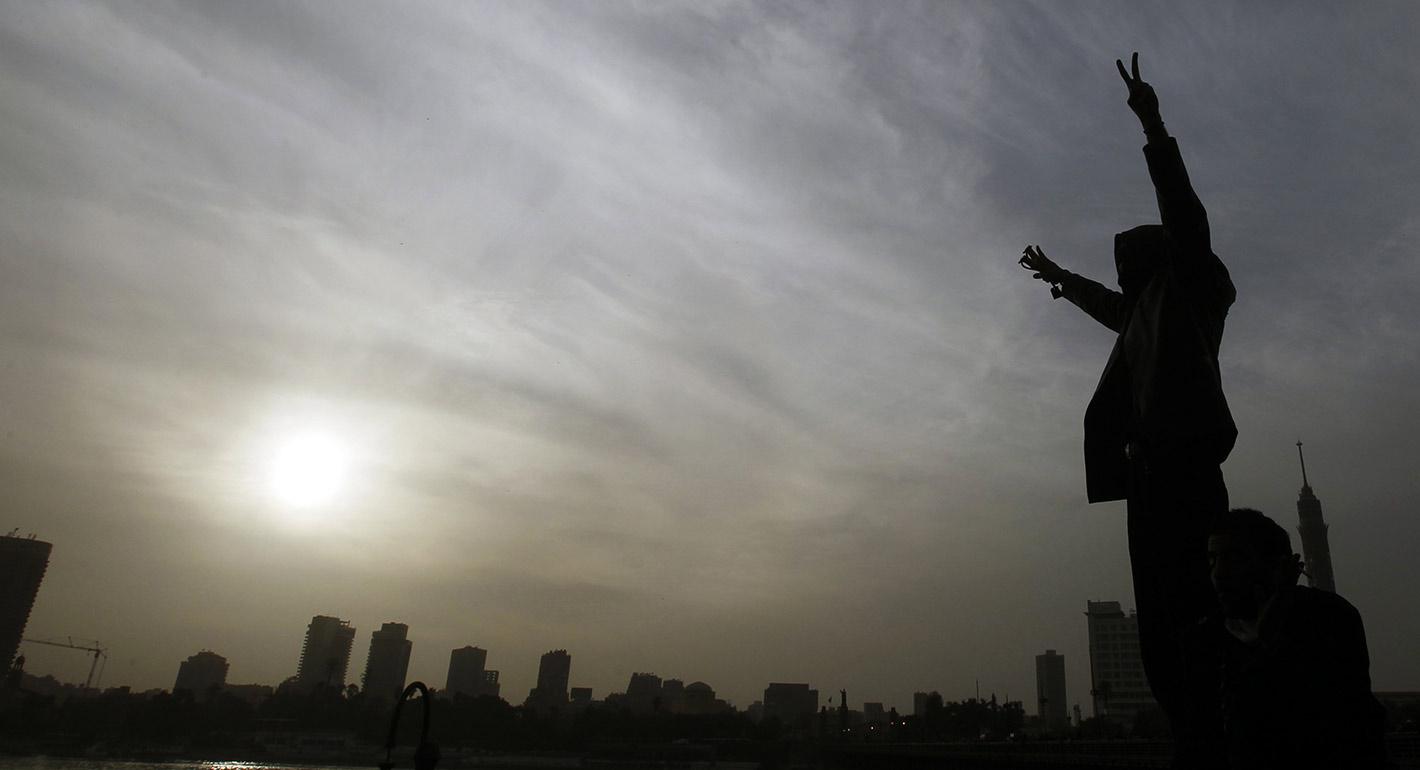
Source: Getty
As the tenth anniversary of the first uprising of the Arab Spring approaches, massive and sustained popular uprisings in Sudan, Algeria, Iraq, and Lebanon have shown that the Arab world is far from finished with the question of democracy.
Source: Journal of Democracy
As the tenth anniversary of the first uprising of the Arab Spring approaches, massive and sustained popular uprisings in Sudan, Algeria, Iraq, and Lebanon have shown that the Arab world is far from finished with the question of democracy. In each of these countries, protesters have connected grievances about economic hardships and corruption to issues of governance. They have demanded changes to undemocratic aspects of current power structures: sectarian bargains in Iraq and Lebanon, and military dominance in Sudan and Algeria.
The struggle of citizens of Arab-majority countries for more responsive, accountable, and participatory governance has been long and difficult. Vested interests both foreign and domestic have pushed back, often with great brutality. In Lebanon, the Arab country in which citizens long had the most individual freedom, sectarianism erupted into civil war in 1975. Even after the fighting ended, sectarian divisions constrained political competition and undermined accountability; they also opened the country to ongoing foreign intervention. Algeria's experiment with political pluralism in the early 1990s led into a decade of horrific civil war.
This article was originally published in the Journal of Democracy.

Former Nonresident Scholar, Middle East Program
Michele Dunne was a nonresident scholar in Carnegie’s Middle East Program, where her research focuses on political and economic change in Arab countries, particularly Egypt, as well as U.S. policy in the Middle East.
Recent Work



Yasmine Farouk, Nathan J. Brown, Maysaa Shuja Al-Deen, …
Robert Springborg, Emile Hokayem, Becca Wasser, …
Carnegie does not take institutional positions on public policy issues; the views represented herein are those of the author(s) and do not necessarily reflect the views of Carnegie, its staff, or its trustees.

As the U.S. stumbles in its war with Iran, we are likely to see an acceleration of its disengagement from the region.

Michael Young
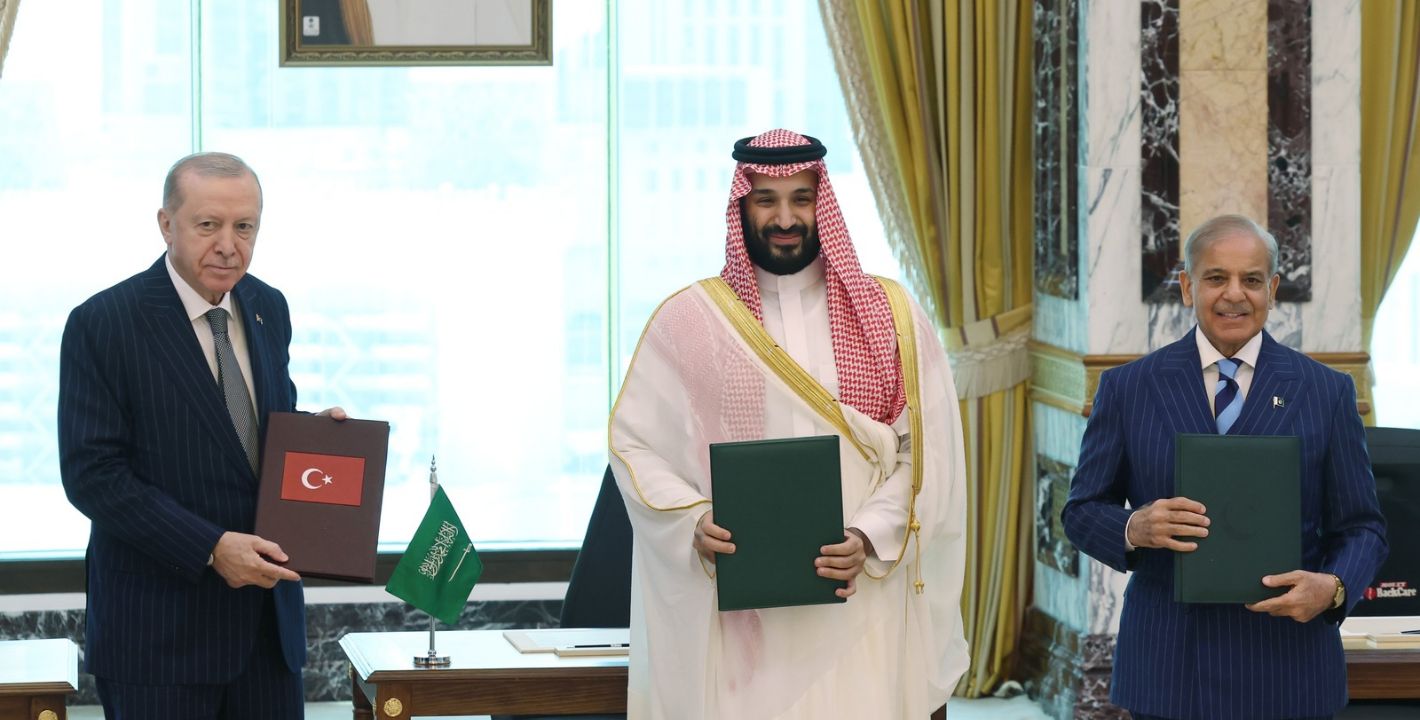
The accord represents a pivotal moment in the region to avert a security vacuum in the Gulf.

Azeema Cheema, Mohanad Hage Ali
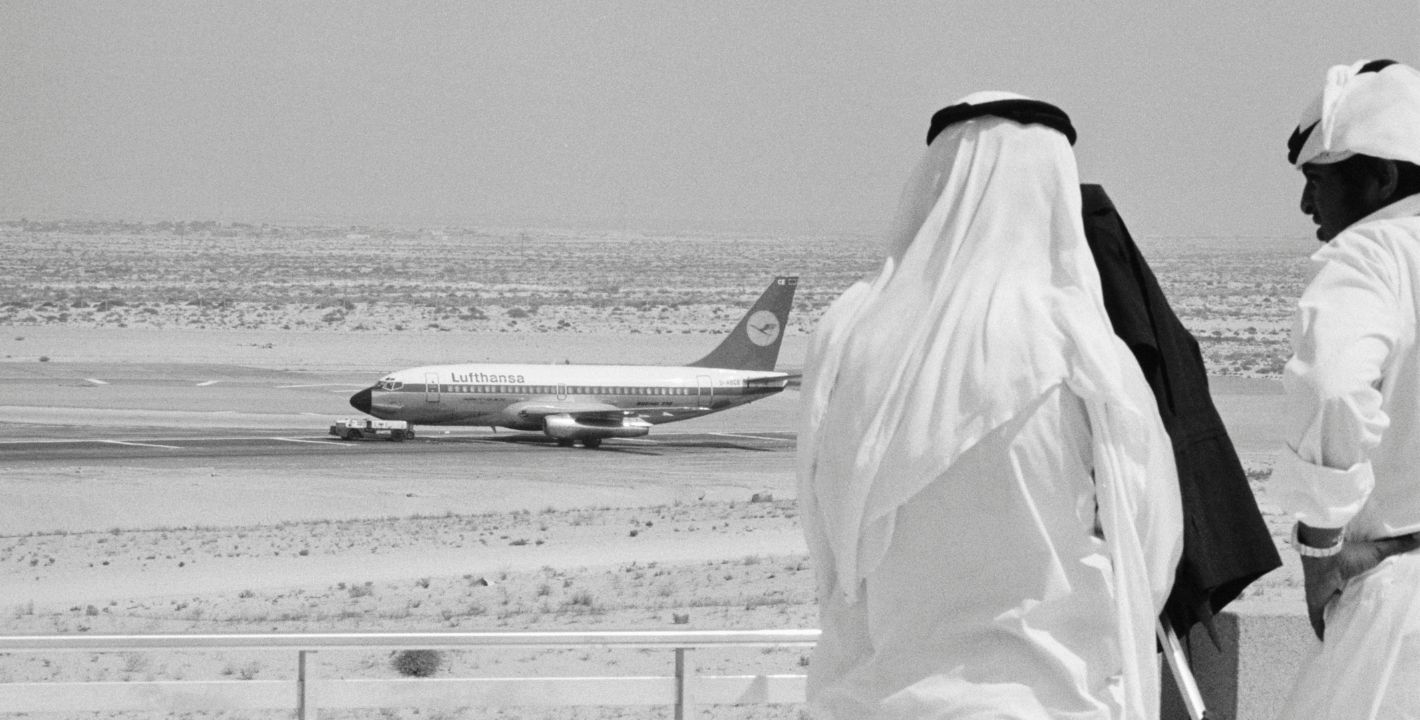
In an interview, Jason Burke discusses his sweeping account of the “revolutionists” who so shaped the 1970s and early 1980s.
Michael Young

The armed forces champion a form of capitalism that is generating revenue, but its reliance on rent faces diminishing returns, leaving the country with massive sunk costs and deferred returns, deepening dependency on external borrowing.

Yezid Sayigh
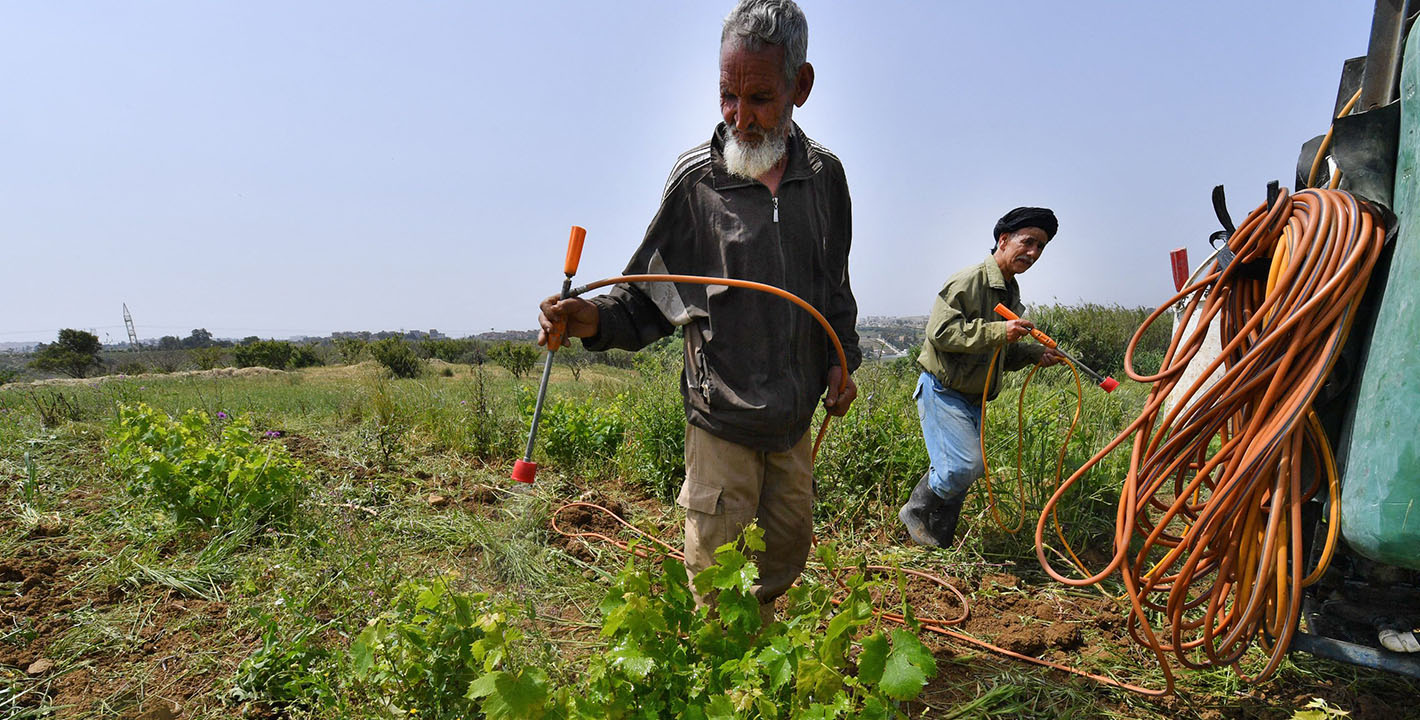
Understanding how farmers in the Oued Sahel-Soummam Valley grapple with climate change is essential for addressing the paradoxes through which adaptation, operating at both individual and institutional levels, deepens the region’s vulnerability and erodes the social fabric and agrarian identity that once defined life.
Ilyssa Yahmi