

Commentary
- +9
Nathan J. Brown, Alper Coşkun, Amr Hamzawy, …
{
  "authors": [
    "Frederic Wehrey"
  ],
  "type": "legacyinthemedia",
  "centerAffiliationAll": "dc",
  "centers": [
    "Carnegie Endowment for International Peace"
  ],
  "collections": [],
  "englishNewsletterAll": "menaTransitions",
  "nonEnglishNewsletterAll": "",
  "primaryCenter": "Carnegie Endowment for International Peace",
  "programAffiliation": "MEP",
  "programs": [
    "Middle East"
  ],
  "projects": [],
  "regions": [
    "North Africa",
    "Libya"
  ],
  "topics": [
    "Security"
  ]
}
REQUIRED IMAGE
Socioeconomic and political obstacles have long inhibited successful security sector reforms in Libya since the overthrow of Muammar Gaddafi in 2011. Understanding these factors and drawing lessons from previously aborted DDR/SSR efforts is crucial to avoid future pitfalls and a possible relapse into conflict.
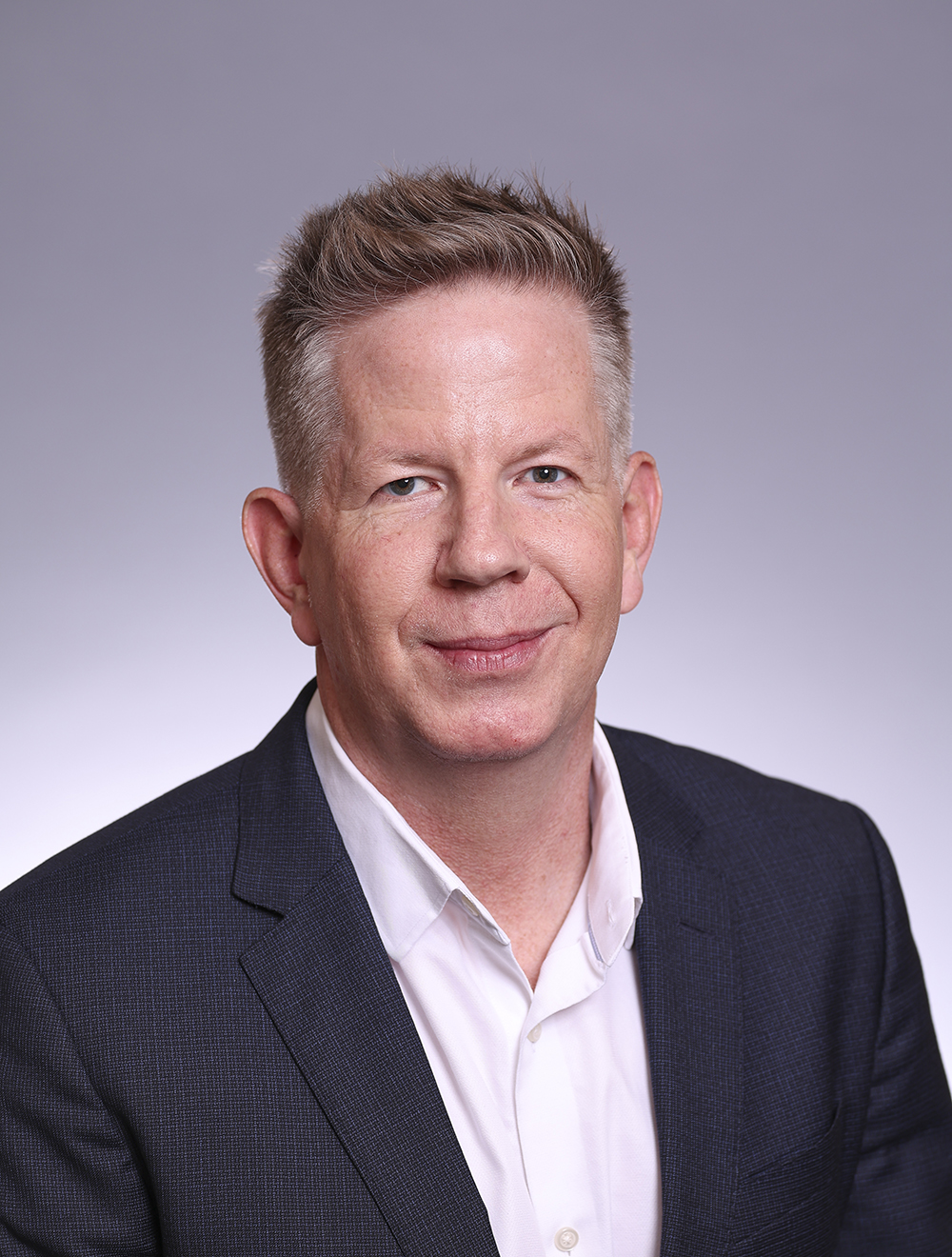
Senior Fellow, Middle East Program
Frederic Wehrey is a senior fellow in the Middle East Program at the Carnegie Endowment for International Peace, where his research focuses on governance, conflict, and security in Libya, North Africa, and the Persian Gulf.
Recent Work


Nathan J. Brown, Alper Coşkun, Amr Hamzawy, …
Frederic Wehrey, Charles H. Johnson
Carnegie does not take institutional positions on public policy issues; the views represented herein are those of the author(s) and do not necessarily reflect the views of Carnegie, its staff, or its trustees.

The global hydrocarbon order is changing. Economic diversification and developing productive economies have become essential for Middle Eastern and North African states, requiring them to address social and political challenges and rethink domestic, regional, and global settlements.
Nur Arafeh, Ishac Diwan, Hamza Meddeb, …
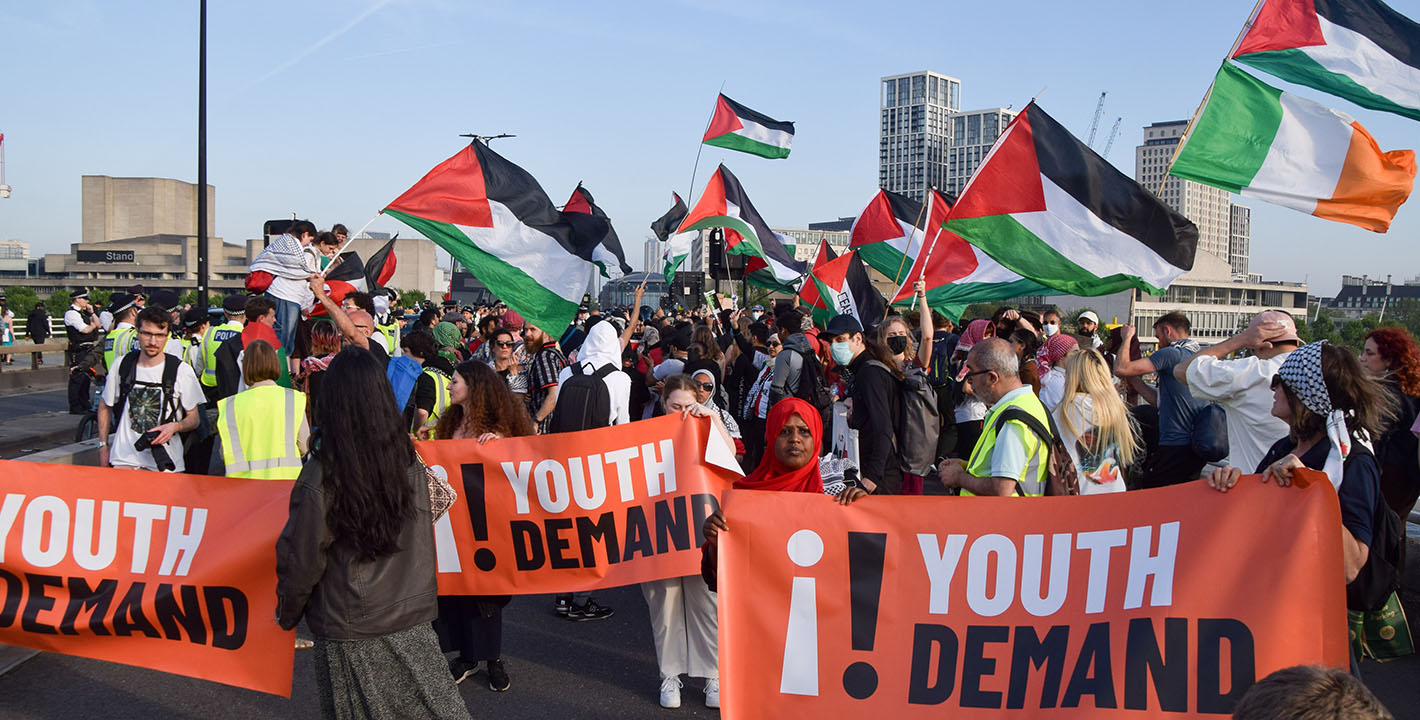
In an interview, Mayssoun Sukarieh discusses youths in the region, and how they are being defined and reshaped.
Yasmine Zarhloule
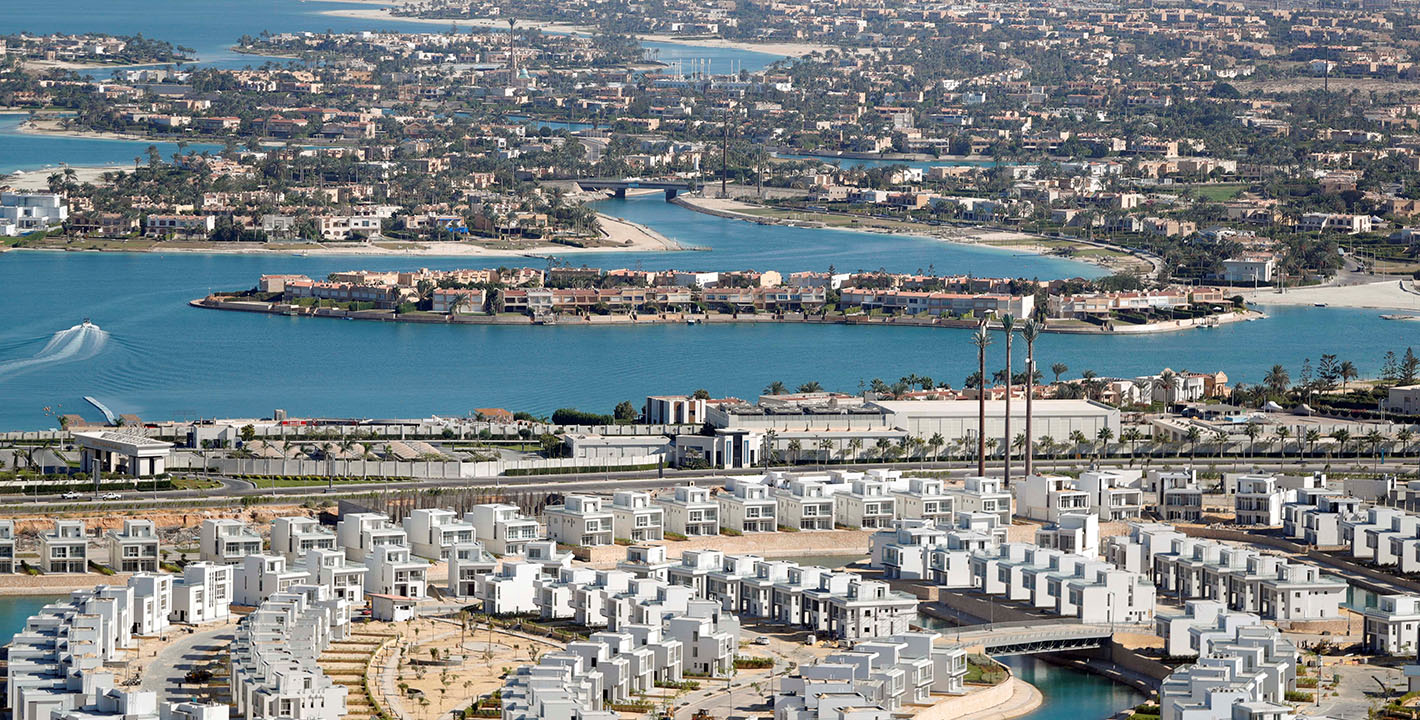
The armed forces champion a form of capitalism that is generating revenue, but its reliance on rent faces diminishing returns, leaving the country with massive sunk costs and deferred returns, deepening dependency on external borrowing.
Yezid Sayigh
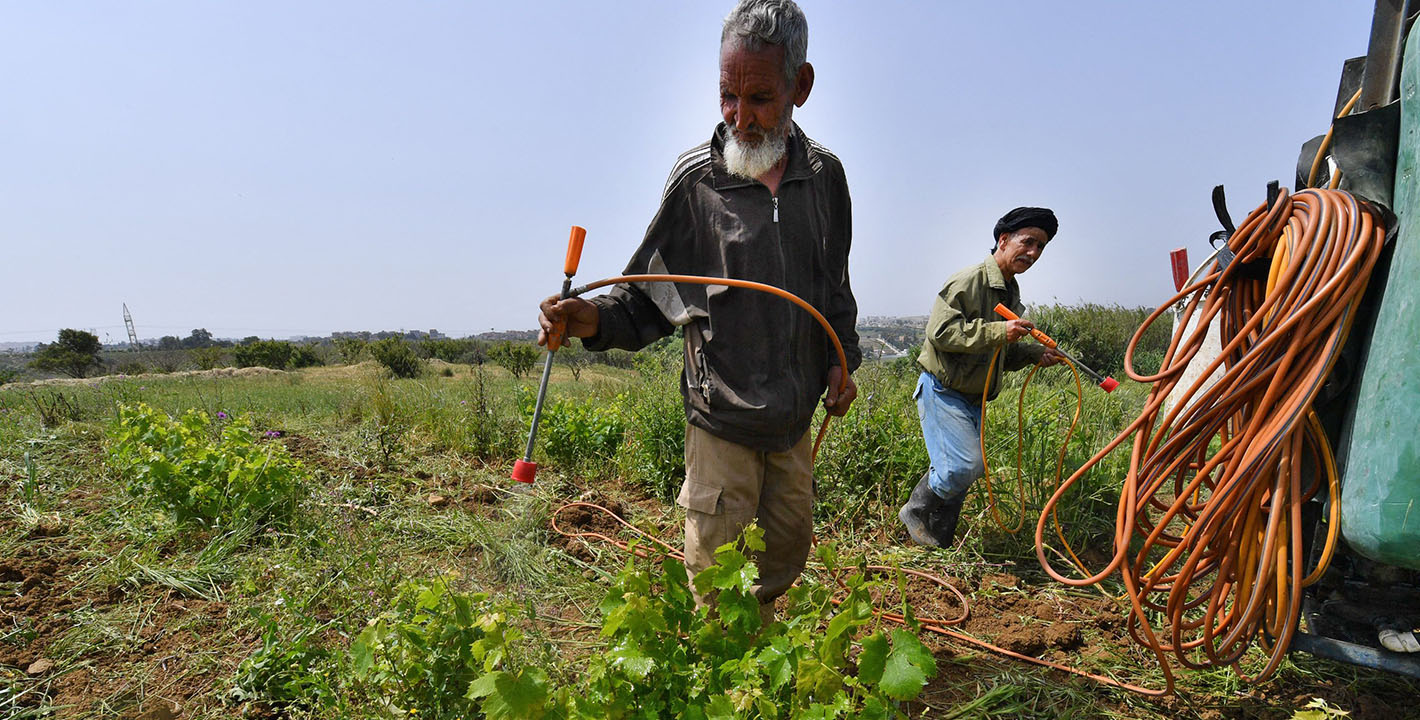
Understanding how farmers in the Oued Sahel-Soummam Valley grapple with climate change is essential for addressing the paradoxes through which adaptation, operating at both individual and institutional levels, deepens the region’s vulnerability and erodes the social fabric and agrarian identity that once defined life.
Ilyssa Yahmi
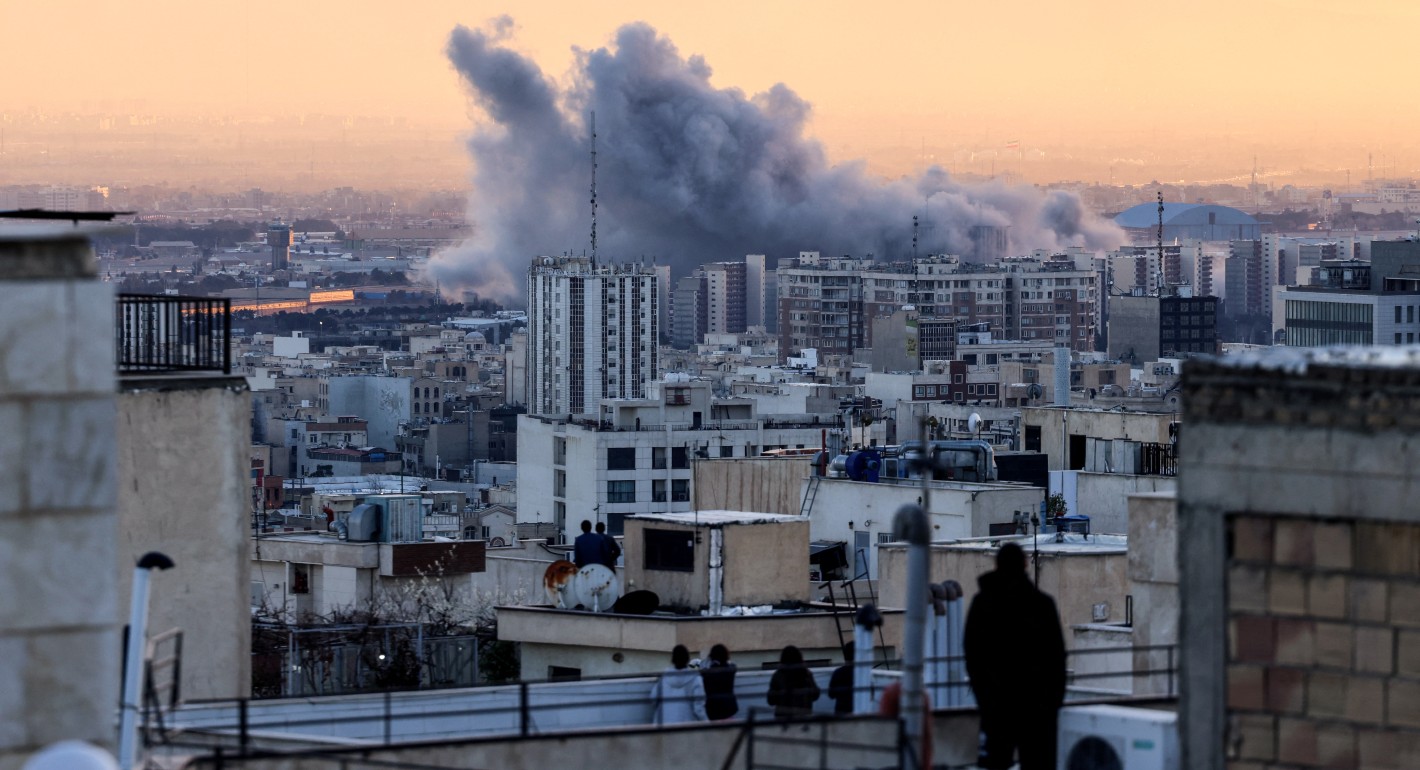
Just look at Iraq in 1991.
Marwan Muasher