

Article
Rupert Barrett-Taylor, Gavin Wilde
{
  "authors": [
    "Gavin Wilde"
  ],
  "type": "legacyinthemedia",
  "centerAffiliationAll": "dc",
  "centers": [
    "Carnegie Endowment for International Peace"
  ],
  "collections": [
    "Studying Conflict in the Information Environment"
  ],
  "englishNewsletterAll": "ctw",
  "nonEnglishNewsletterAll": "",
  "primaryCenter": "Carnegie Endowment for International Peace",
  "programAffiliation": "TIA",
  "programs": [
    "Technology and International Affairs"
  ],
  "projects": [
    "Information Environment Project"
  ],
  "regions": [],
  "topics": [
    "Democracy",
    "Foreign Policy",
    "Technology"
  ]
}
Source: Getty
American leaders and scholars have long feared the prospect that hostile foreign powers could subvert democracy by spreading false, misleading, and inflammatory information by using various media.
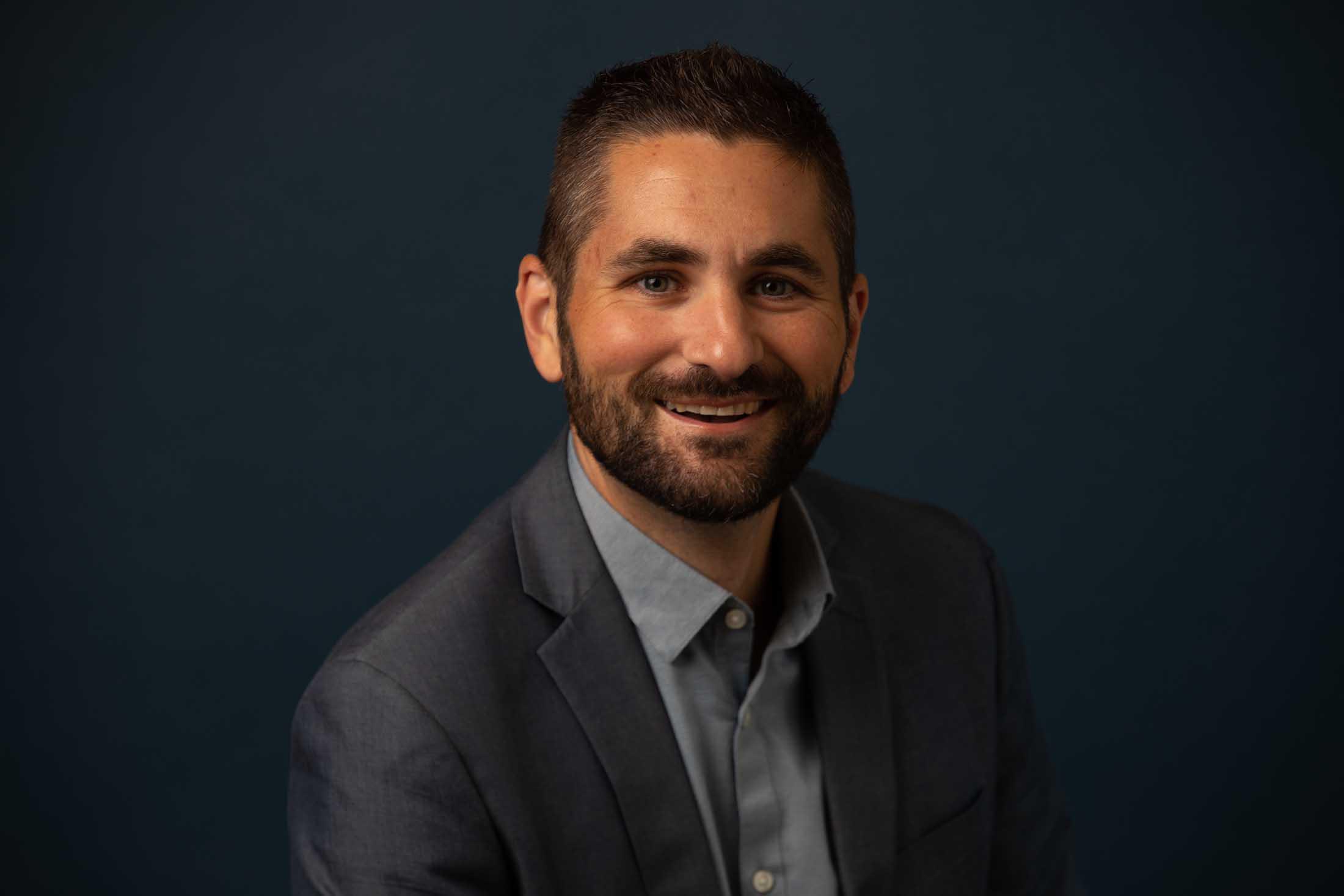
Former Nonresident Fellow, Technology and International Affairs
Gavin Wilde was a nonresident fellow in the Technology and International Affairs Program at the Carnegie Endowment for International Peace. He applies his expertise on Russia and information warfare to examine the strategic challenges posed by cyber and information operations, propaganda, and emerging technologies.
Recent Work
Rupert Barrett-Taylor, Gavin Wilde
Gavin Wilde
Carnegie does not take institutional positions on public policy issues; the views represented herein are those of the author(s) and do not necessarily reflect the views of Carnegie, its staff, or its trustees.

In an interview, Ian Lustick and Eli Clifton discuss their new book on why a prominent ally has so much influence in America.

Michael Young

Huawei pushed hard to enter the Egyptian data centers market, until the Americans made a better offer.

Angie Omar

By failing to address Palestinian representation, the current process is bound to lead to just another temporary arrangement.

Nathan J. Brown

Just look at Iraq in 1991.

Marwan Muasher

A coalition of states is seeking to avert a U.S. attack, and Israel is in the forefront of their mind.
Michael Young