

Other
Michael D. Swaine
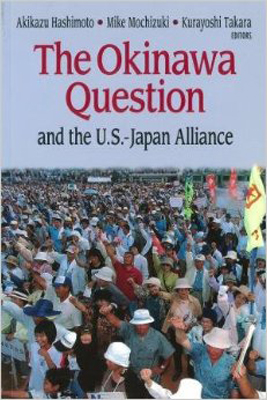
An examination of the broad context of U.S.-China relations, highlighting both the current strengthened foundation for cooperation that exists between the two countries and the continued presence of factors that could produce confrontation and even conflict in the future.
Source: The Okinawa Question and the U.S.-Japan Alliance
In his chapter in The Okinawa Question and the U.S.-Japan Alliance, Michael Swaine examines the broad context of U.S.-China relations, highlighting both the current strengthened foundation for cooperation that exists between the two countries and the continued presence of factors that could produce confrontation and even conflict in the future. In the latter area, the Taiwan problem is especially significant and thus receives particular attention. Dr. Swaine then examines in some detail the specific implications of the preceding analysis for Okinawa, focusing in particular on the potential Chinese threat to the island resulting from the presence of U.S. forces. The final section of the chapter discusses the options available to Okinawa to reduce the potential dangers to which it is exposed by its association with the U.S.-China relationship.
The Okinawa Question and the U.S.-Japan Alliance is available to order from the Sigur Center for Asian Studies at George Washington University.

Former Senior Fellow, Asia Program
Swaine was a senior fellow at the Carnegie Endowment for International Peace and one of the most prominent American analysts in Chinese security studies.
Recent Work
Michael D. Swaine
Michael D. Swaine
Carnegie does not take institutional positions on public policy issues; the views represented herein are those of the author(s) and do not necessarily reflect the views of Carnegie, its staff, or its trustees.

By failing to address Palestinian representation, the current process is bound to lead to just another temporary arrangement.

Nathan J. Brown

The armed forces champion a form of capitalism that is generating revenue, but its reliance on rent faces diminishing returns, leaving the country with massive sunk costs and deferred returns, deepening dependency on external borrowing.

Yezid Sayigh

Just look at Iraq in 1991.

Marwan Muasher

A coalition of states is seeking to avert a U.S. attack, and Israel is in the forefront of their mind.

Michael Young

Baku may allow radical nationalists to publicly discuss “reunification” with Azeri Iranians, but the president and key officials prefer not to comment publicly on the protests in Iran.

Bashir Kitachaev