

Commentary
As the U.S. stumbles in its war with Iran, we are likely to see an acceleration of its disengagement from the region.
Michael Young
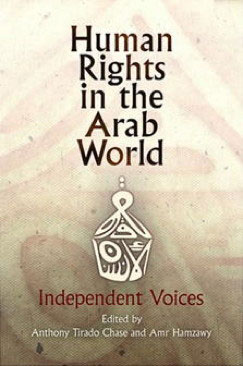
Human Rights in the Arab World: Independent Voices offers perspectives from those at the forefront of research and debate at the intersection of human rights and Islam, globalization, transnational advocacy, and the politics of key states such as Egypt, Morocco, and Yemen.
Source: University of Pennsylvania Press

Why have human rights been marginalized in the Arab world? How do we gauge the relevance of human rights in the region, given the political, social, and economic context? What are the practical and theoretical obstacles to the implementation of these rights?
Human Rights in the Arab World: Independent Voices offers perspectives from those at the forefront of research and debate at the intersection of human rights and Islam, globalization, transnational advocacy, and the politics of key states such as Egypt, Morocco, and Yemen. Some chapters provide essential historical background to current political realities, while others consider ways to confront this region's practical and theoretical challenges to human rights. By placing the question of human rights in the often tragic context of Arab politics, the very real stakes are made clear.
This book is available from University of Pennsylvania Press. To order the book from Penn Press, please click here.
Amr Hamzawy is Senior Associate at the Democracy and Rule of Law Project, Carnegie Endowment for International Peace.
Anthony Chase teaches in the Department of Diplomacy and World Affairs at Occidental College.

Director, Middle East Program
Amr Hamzawy is a senior fellow and the director of the Carnegie Middle East Program. His research and writings focus on Egypt’s and other middle powers’ involvement in regional security in the Middle East, particularly through collective diplomacy and multilateral conflict resolution
Anthony Chase
Carnegie does not take institutional positions on public policy issues; the views represented herein are those of the author(s) and do not necessarily reflect the views of Carnegie, its staff, or its trustees.

As the U.S. stumbles in its war with Iran, we are likely to see an acceleration of its disengagement from the region.

Michael Young
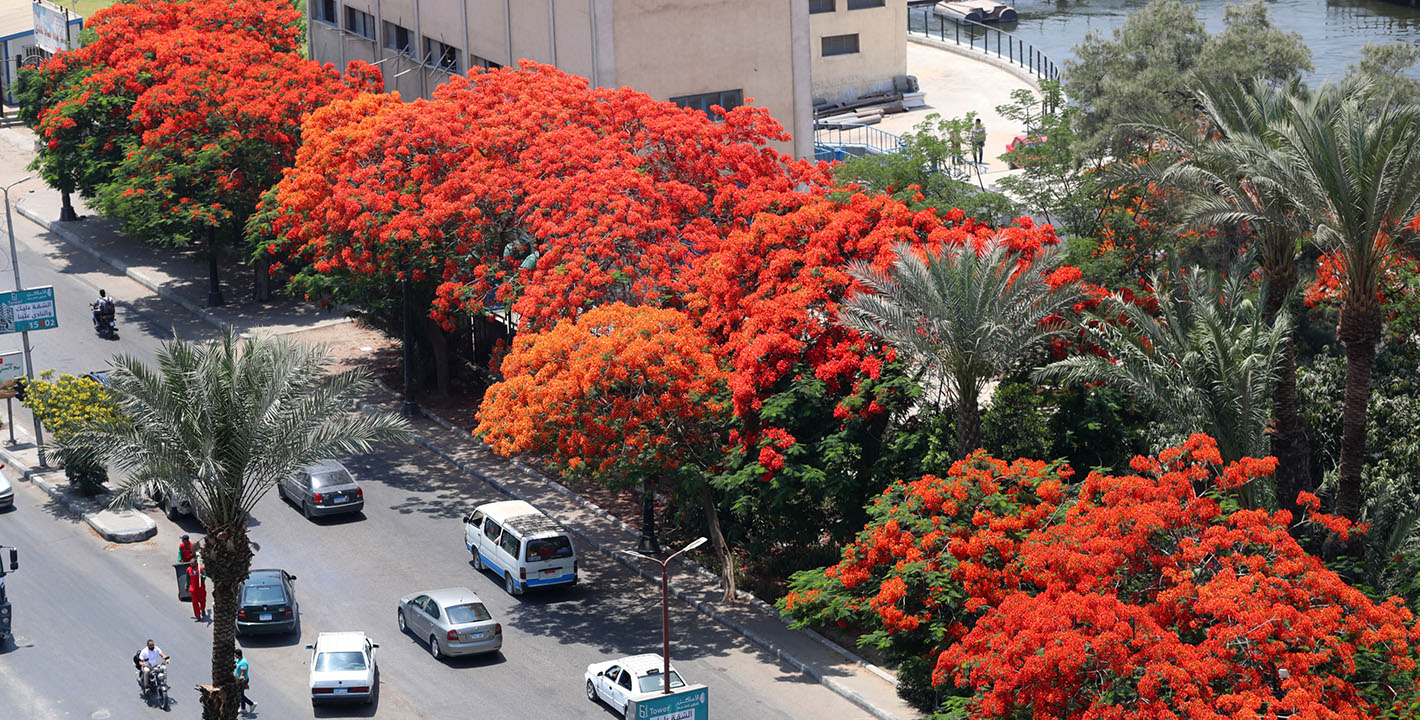
In Egypt’s dense cities, the disappearance of foliage has health implications and punishes daily commuters.

Angie Omar

Huawei pushed hard to enter the Egyptian data centers market, until the Americans made a better offer.
Angie Omar

The accord represents a pivotal moment in the region to avert a security vacuum in the Gulf.


Azeema Cheema, Mohanad Hage Ali
In an interview, Jason Burke discusses his sweeping account of the “revolutionists” who so shaped the 1970s and early 1980s.
Michael Young