

Article
Pieter Bottelier
China is emerging from the economic crisis sooner than any other large economy, accelerating its rise as a global leader in the economic and financial arena.
Source: The National Bureau of Asian Research
IMGXYZ2805IMGZYXThe global economic crisis came to China as large scale lay-offs in construction preceded the collapse of exports, which triggered massive additional unemployment. China's strong fiscal situation, low leverage, and relatively strong banks left ample room, however, for aggressive fiscal and monetary stimulus to beat the recession. China is emerging from the crisis sooner than any other large economy, and the crisis will probably accelerate China's rise and expand China's global leadership role in the economic and financial arena.
These developments have several important policy implications:

Former Nonresident Scholar, International Economics Program
Bottelier was a nonresident scholar in Carnegie’s International Economics Program and senior adjunct professor of China studies at the School of Advanced International Studies (SAIS), the Johns Hopkins University. His work currently focuses on China’s economic reform and development.
Recent Work
Pieter Bottelier
Pieter Bottelier
Carnegie does not take institutional positions on public policy issues; the views represented herein are those of the author(s) and do not necessarily reflect the views of Carnegie, its staff, or its trustees.

Just look at Iraq in 1991.

Marwan Muasher

A coalition of states is seeking to avert a U.S. attack, and Israel is in the forefront of their mind.

Michael Young

Baku may allow radical nationalists to publicly discuss “reunification” with Azeri Iranians, but the president and key officials prefer not to comment publicly on the protests in Iran.

Bashir Kitachaev

The country’s leadership is increasingly uneasy about multiple challenges from the Levant to the South Caucasus.

Armenak Tokmajyan
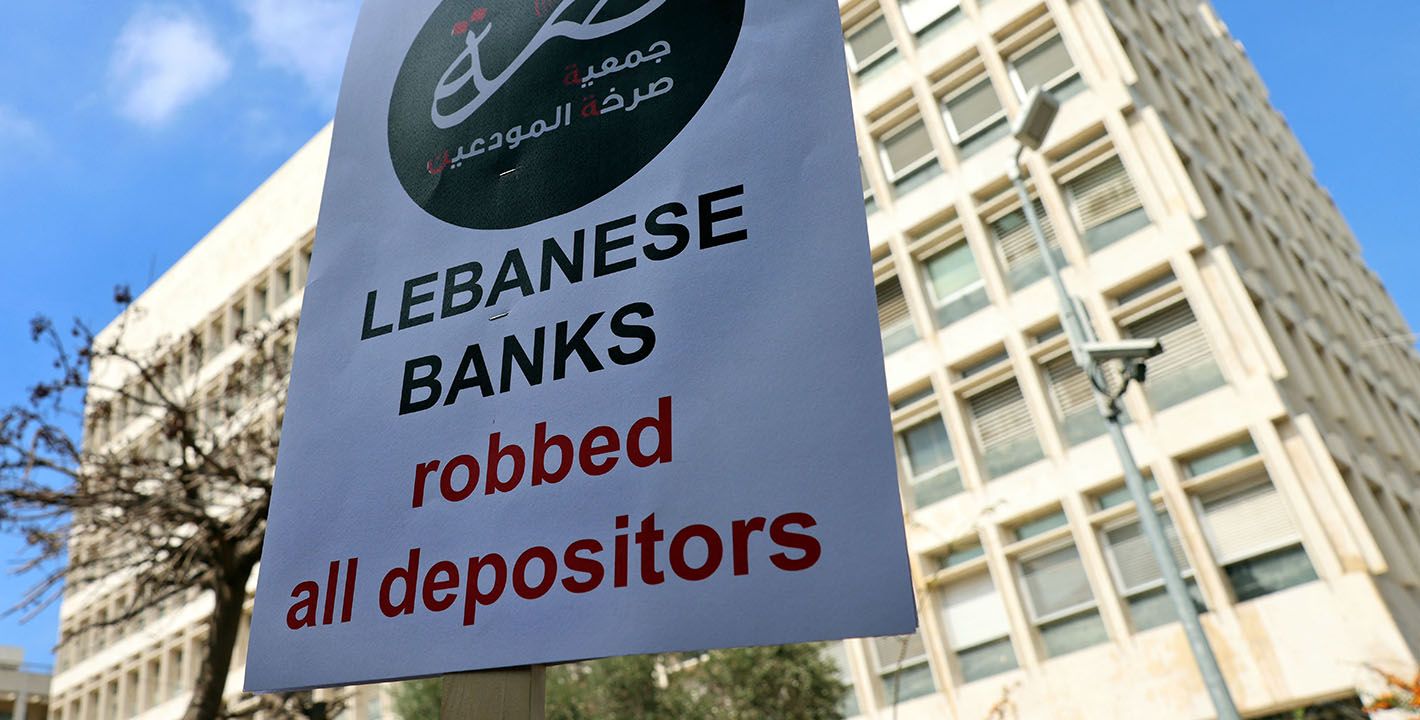
In an interview, Ishac Diwan looks at the merits and flaws in the draft legislation distributing losses from the financial collapse.
Michael Young