

Paper
Adam Baczko, Gilles Dorronsoro, Arthur Quesnay
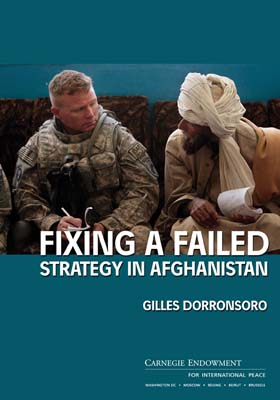
To correct a failing strategy in Afghanistan, the United States and its allies need to focus on protecting Afghan cities and reallocating more resources to the North.
As the debate on future U.S. strategy draws to a close, the war in Afghanistan is spreading to the North (an area that had previously been relatively quiet), the balance of power in Afghanistan has shifted in the Taliban’s favor, and the Afghan government continues to lose legitimacy in the eyes of the population and international community. In order to correct a failing strategy, the United States and its allies need to protect cities and reallocate more resources to the North.
Gilles Dorronsoro explains that more troops alone will not fix a flawed approach and details what a new, successful U.S. strategy should look like:
“The Coalition badly needs a success in the next few months to counter the widely held perception that defeat is the likely outcome,” concludes Dorronsoro. “The current strategy could very well fail and result in yet another demand for reinforcements next year. A vigorous debate―more about strategy than resources―is needed.”
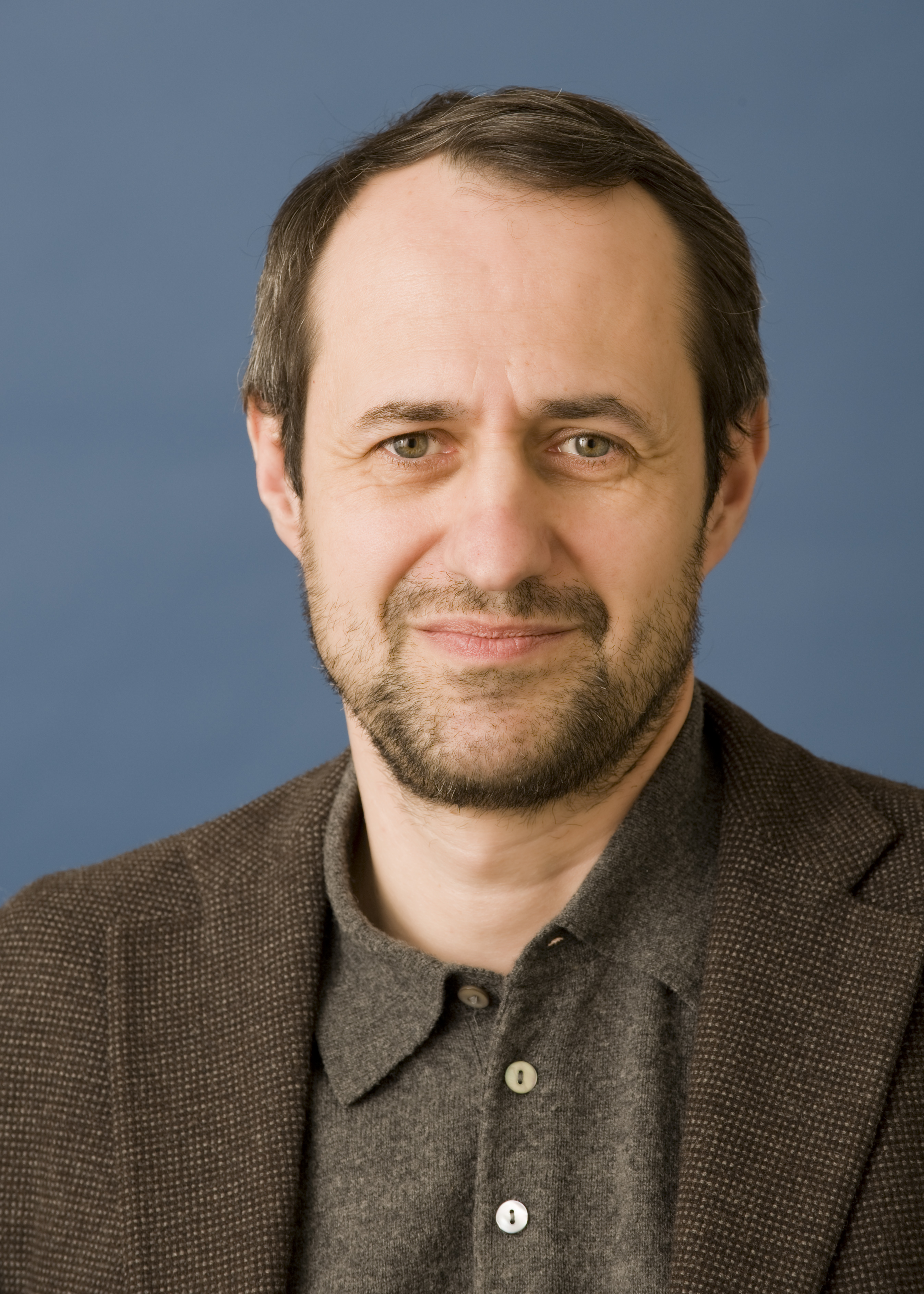
Former Nonresident Scholar, South Asia Program
Dorronsoro’s research focuses on security and political development in Afghanistan. He was a professor of political science at the Sorbonne in Paris and the Institute of Political Studies of Rennes.
Recent Work
Adam Baczko, Gilles Dorronsoro, Arthur Quesnay
Gilles Dorronsoro
Carnegie does not take institutional positions on public policy issues; the views represented herein are those of the author(s) and do not necessarily reflect the views of Carnegie, its staff, or its trustees.

In an interview, Ian Lustick and Eli Clifton discuss their new book on why a prominent ally has so much influence in America.

Michael Young

By failing to address Palestinian representation, the current process is bound to lead to just another temporary arrangement.

Nathan J. Brown

The armed forces champion a form of capitalism that is generating revenue, but its reliance on rent faces diminishing returns, leaving the country with massive sunk costs and deferred returns, deepening dependency on external borrowing.

Yezid Sayigh

Just look at Iraq in 1991.

Marwan Muasher

A coalition of states is seeking to avert a U.S. attack, and Israel is in the forefront of their mind.
Michael Young