

Commentary
Dmitri Trenin
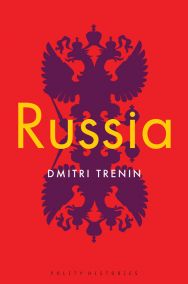
Russia is reputed to be a country whose past constantly changes to suit the purposes and vision of its ruling elite. Yet few would dispute that Russian history is one of extremes.
Source: Polity
Russia is reputed to be a country whose past constantly changes to suit the purposes and vision of its ruling elite. Yet few would dispute that Russian history is one of extremes. Over the past century alone Russia has lived through great achievements and deepest misery; mass heroism and mass crime; over-blown ambition and near-hopeless despair – always emerging with its sovereignty and its fiercely independent spirit intact.
In this book, leading Russia scholar Dmitri Trenin accompanies readers on Russia’s rollercoaster journey from revolution to post-war devastation, perestroika to Putin’s stabilization of post-communist Russia. Explaining the causes and the meaning of the numerous twists and turns in contemporary Russian history, he offers a vivid insider’s view of a country through one of its most trying and often tragic periods. Today, he cautions, Russia stands at a turning point - politically, economically and socially - its situation strikingly reminiscent of the Russian Empire in its final years. For the Russian Federation to avoid a similar demise, it must learn the lessons of its own history.Former Director, Carnegie Moscow Center
Trenin was director of the Carnegie Moscow Center from 2008 to early 2022.
Recent Work
Dmitri Trenin
Dmitri Trenin
Carnegie does not take institutional positions on public policy issues; the views represented herein are those of the author(s) and do not necessarily reflect the views of Carnegie, its staff, or its trustees.

Just look at Iraq in 1991.

Marwan Muasher
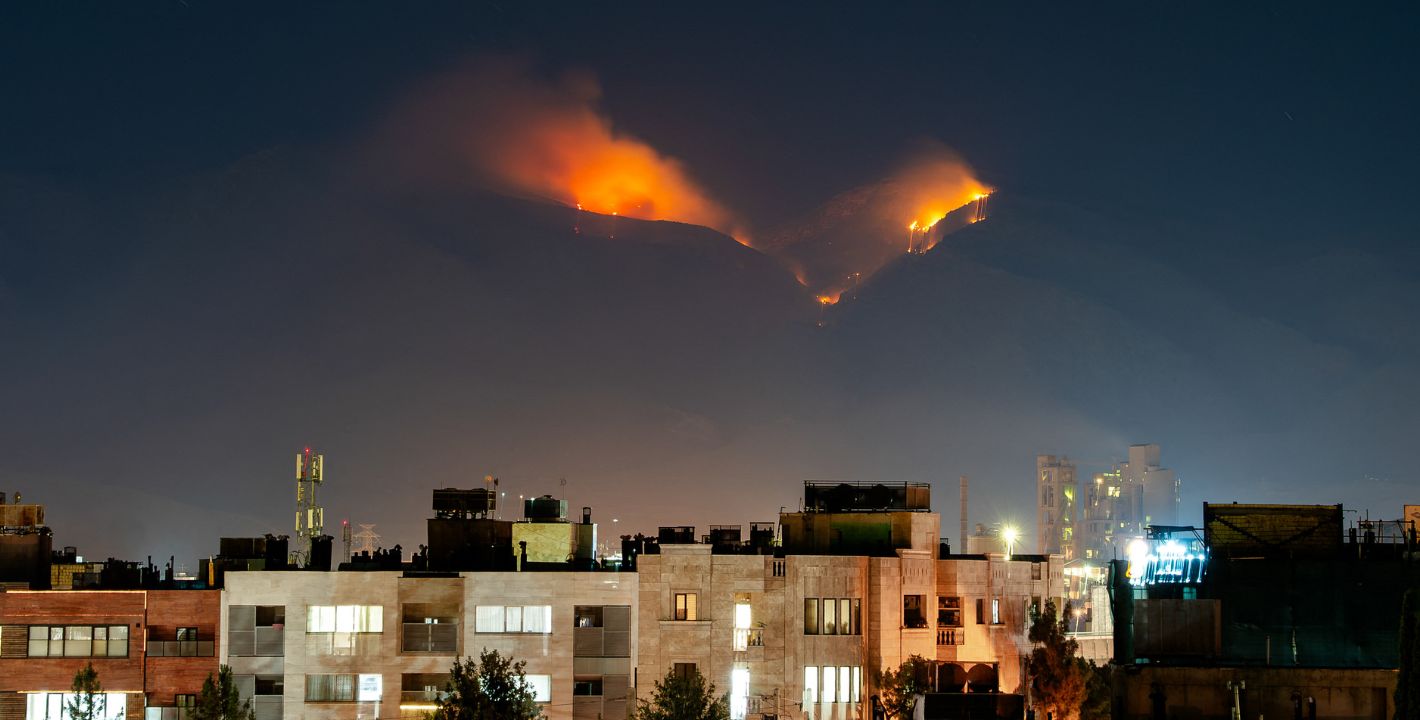
A coalition of states is seeking to avert a U.S. attack, and Israel is in the forefront of their mind.

Michael Young
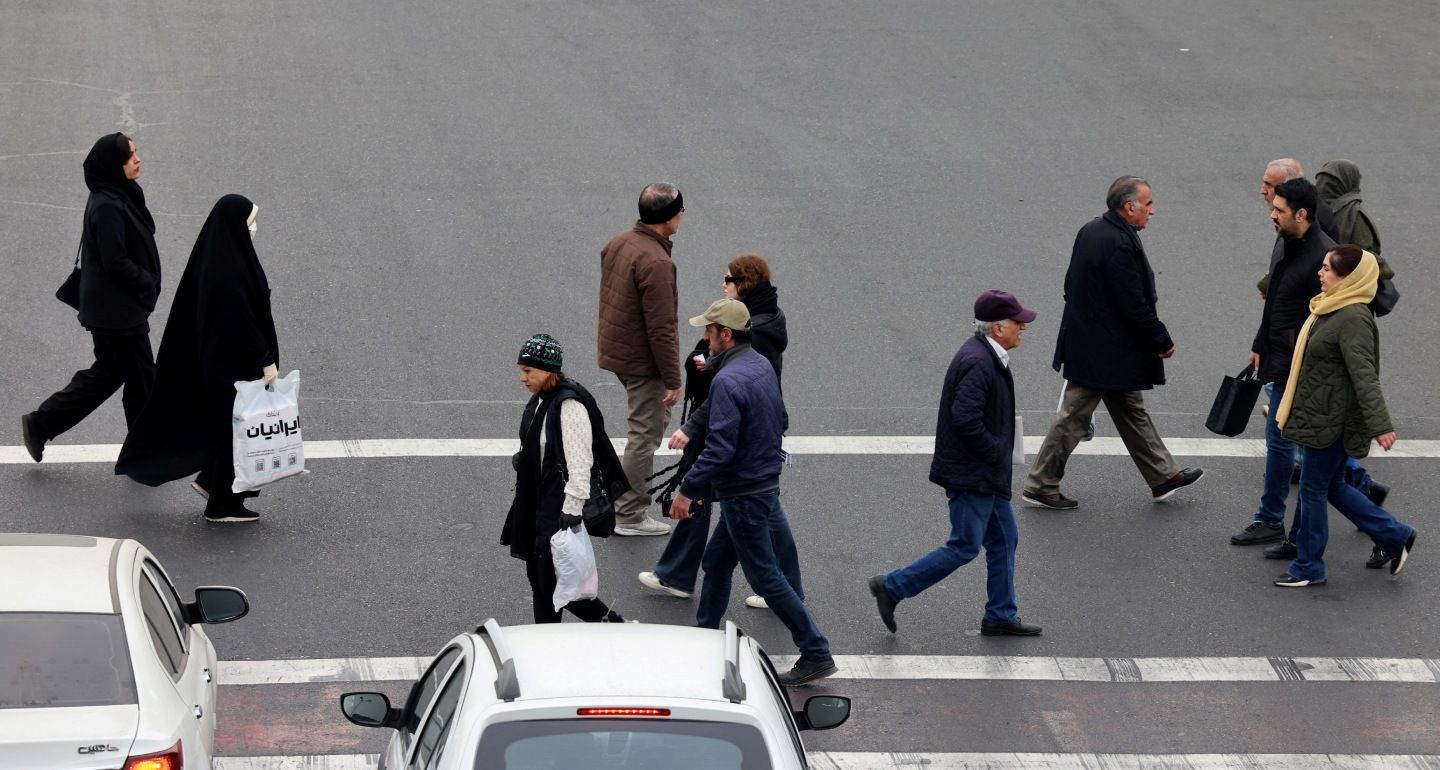
Baku may allow radical nationalists to publicly discuss “reunification” with Azeri Iranians, but the president and key officials prefer not to comment publicly on the protests in Iran.

Bashir Kitachaev
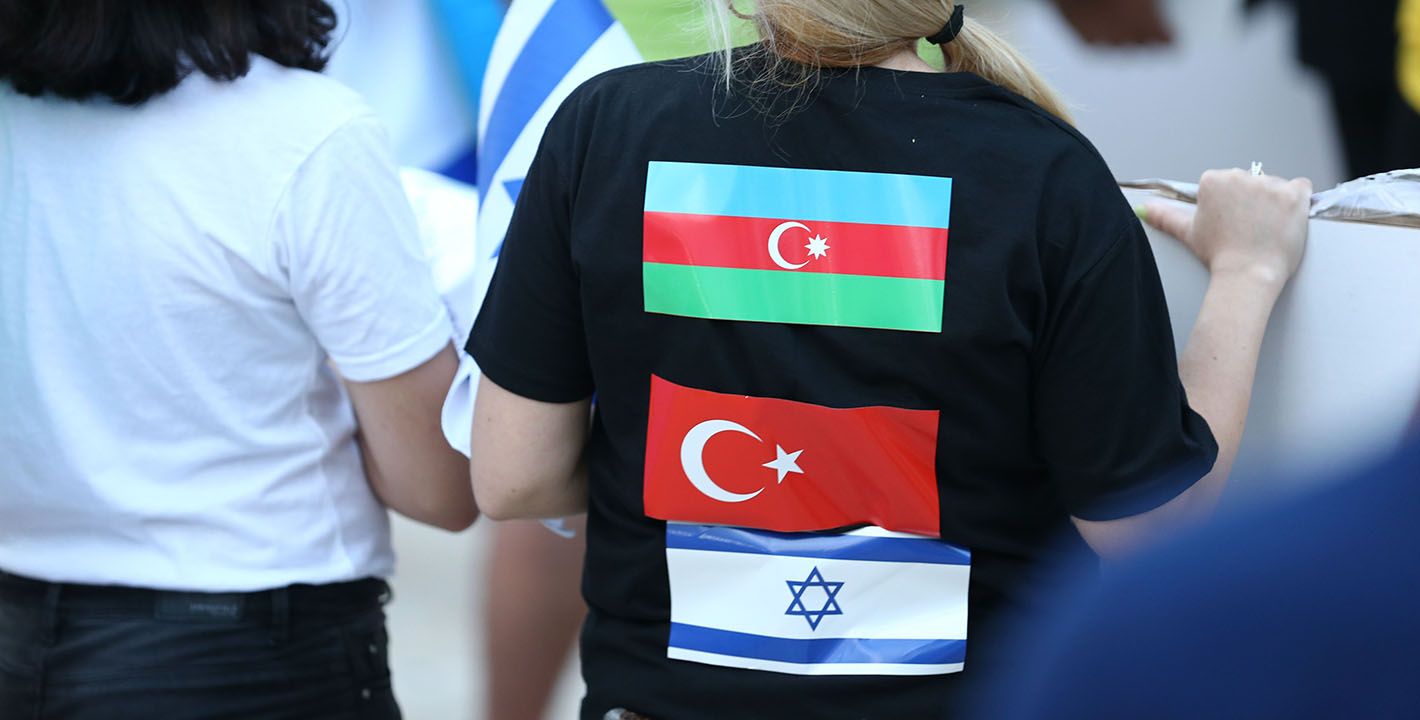
The country’s leadership is increasingly uneasy about multiple challenges from the Levant to the South Caucasus.

Armenak Tokmajyan
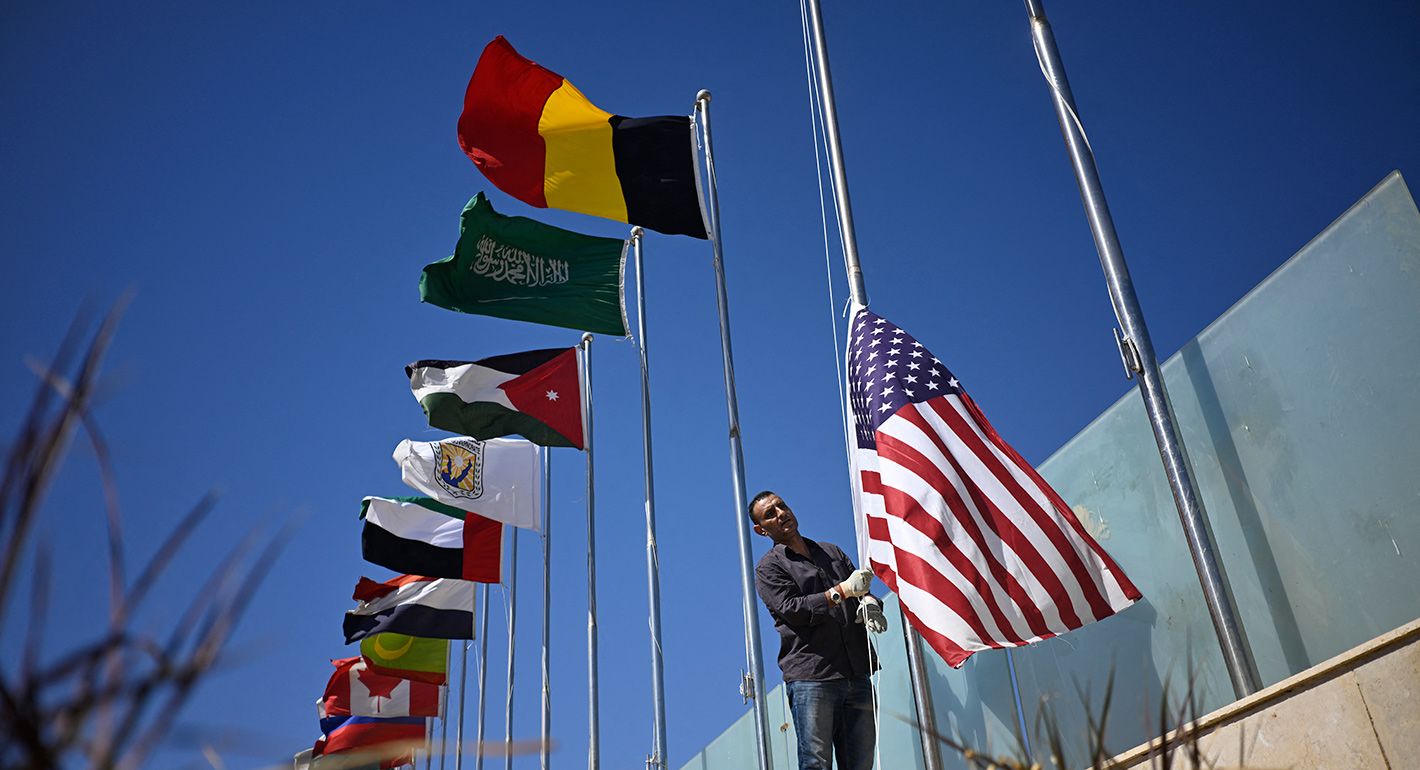
The countries of the region have engaged in sustained competition that has tested their capacities and limitations, while resisting domination by rivals. Can a more stable order emerge from this maelstrom, and what would it require?

Hamza Meddeb, Mohamed Ali Adraoui