

Commentary
The party’s domestic and regional roles have changed, so Lebanon should devise a disarmament strategy that encompasses this.
Michael Young
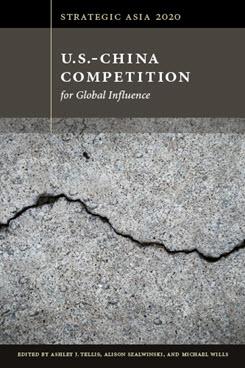
This book examines how various countries and regions are coping with the Sino-U.S. competition and implications for U.S. policymakers.
Source: National Bureau of Asian Research
Co-edited and introduced by Ashley J. Tellis, the nineteenth volume in the Strategic Asia series—Strategic Asia 2020: U.S.-China Competition for Global Influence—will be published in January 2020. The new book will offer a forward-looking assessment of how the rivalry between China and the United States is playing out around the globe. Each chapter examines how a country or region (including Japan, South Korea, India, Taiwan, Russia, Oceania, Southeast Asia, Europe, and the Americas) is coping with the consequences of Sino-U.S. competition and draws implications for U.S. policymakers.
Read the introduction by Ashley J. Tellis for free or pre-order this book.
Ashley J. Tellis holds the Tata Chair for Strategic Affairs and is a senior fellow at the Carnegie Endowment for International Peace and Research Director of the Strategic Asia Program at the National Bureau of Asian Research (NBR).
Alison Szalwinski is vice president of research at NBR.
Michael Wills is executive vice president at NBR.
Former Senior Fellow
Ashley J. Tellis was a senior fellow at the Carnegie Endowment for International Peace.
Alison Szalwinski
National Bureau of Asian Research
Alison Szalwinski is assistant director for political and security affairs at NBR.
Michael Wills
National Bureau of Asian Research
Michael Wills is senior vice president for strategy and finance at NBR.
Carnegie does not take institutional positions on public policy issues; the views represented herein are those of the author(s) and do not necessarily reflect the views of Carnegie, its staff, or its trustees.
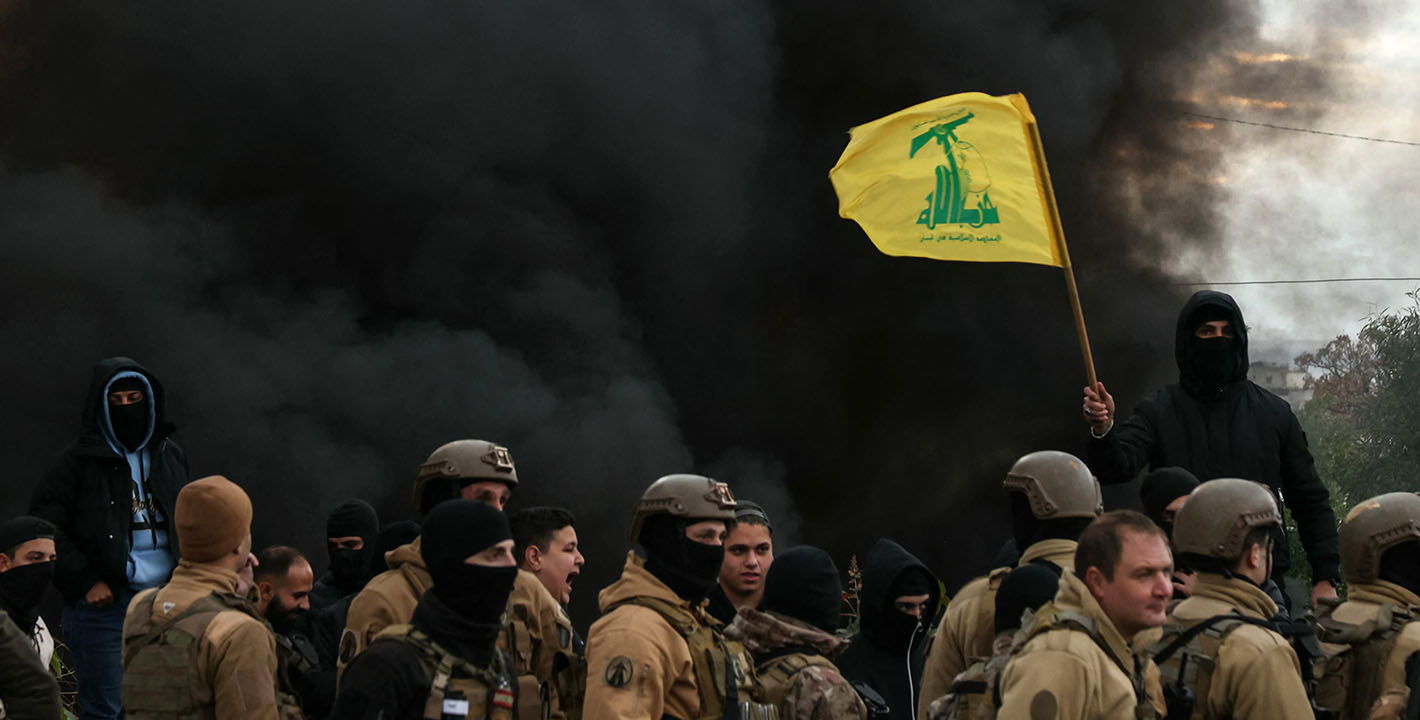
The party’s domestic and regional roles have changed, so Lebanon should devise a disarmament strategy that encompasses this.

Michael Young
In an interview, Marc Lynch discusses his new book decrying the post-1990 U.S.-dominated order in the Middle East.
Michael Young

Because perpetual conflict enhances control, offers economic benefits, and allows leaders to ignore popular preferences.

Angie Omar
A prerequisite of serious talks is that the country’s leadership consolidates majority national support for such a process.
Michael Young
In an interview, Jim Lamson discusses the ongoing regional conflict and sees an unclear picture when it comes to winners and losers.
Michael Young