

Commentary
Alexander Baunov
{
  "authors": [
    "Alexander Baunov"
  ],
  "type": "commentary",
  "blog": "Carnegie Politika",
  "centerAffiliationAll": "dc",
  "centers": [
    "Carnegie Endowment for International Peace",
    "Carnegie Russia Eurasia Center"
  ],
  "collections": [],
  "englishNewsletterAll": "ctw",
  "nonEnglishNewsletterAll": "",
  "primaryCenter": "Carnegie Russia Eurasia Center",
  "programAffiliation": "russia",
  "programs": [
    "Russia and Eurasia"
  ],
  "projects": [],
  "regions": [
    "Russia",
    "Eastern Europe",
    "Ukraine",
    "Caucasus"
  ],
  "topics": [
    "Foreign Policy",
    "Economy"
  ]
}
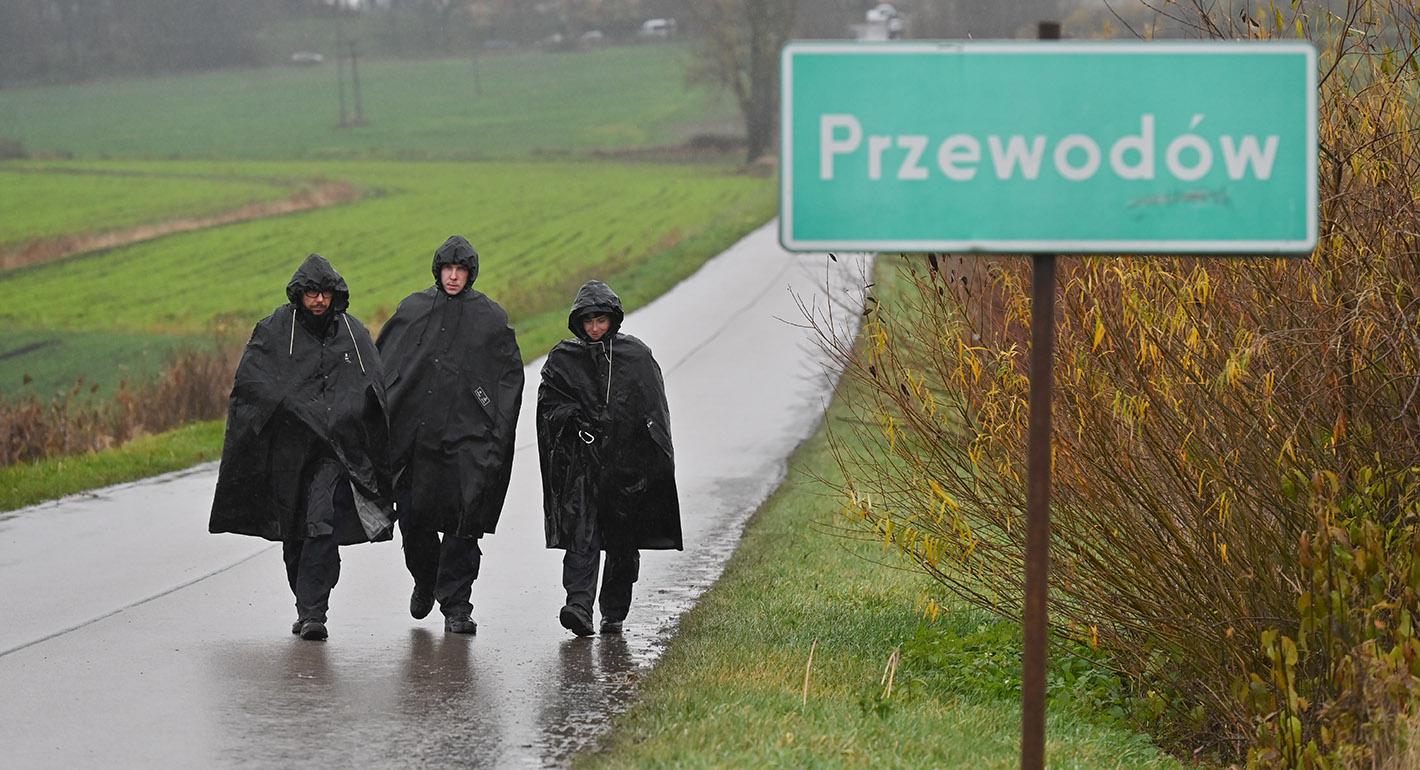
Source: Getty
The missile landing in Polish territory may lead to Poland and Ukraine’s other most active defenders gaining more military autonomy. After all, restraining an ally from self-defense is far more difficult than restraining them from helping others.
Something happened this week that had been feared ever since Russian and NATO warships and fighter jets came dangerously close in the Baltic and Black seas, and Russian and U.S. soldiers edged closer to one another in Syria. A Russian missile strike against Ukraine saw a stray missile land in NATO member Poland, killing two people.
After several tense hours of speculation that the missile had been fired by Russia, U.S. officials said it had in fact been fired by Ukrainian forces at an incoming Russian missile. That does not change the fact, however, that Polish nationals have been killed by Russian-made missiles as a direct result of Russia’s invasion of Ukraine, and in particular, its decision to move the action away from the front, where the Russian army is struggling, to target infrastructure across Ukraine. The strikes on November 15—the biggest against civilian infrastructure since the start of the war—were Moscow’s revenge for the loss of the key city of Kherson, from which it withdrew in recent days.
The death of innocent NATO civilians at home as a result of Russian missile strikes could become a turning point in this war, like the 2014 downing of Flight MH17 and its international passengers. No matter how indirect and unintended it may have been, the explosion in Poland looks ominous amid the endless calls by Russian hawks who want to see a “proper war”—from TV pundits to former president-turned-Security Council deputy head Dmitry Medvedev—to strike the territory of a NATO country as a deterrent.
As Ukraine’s most fervent supporter and the main logistical center for supplies of Western weapons, Poland is frequently named among the primary targets of such threats (including nuclear threats). Now this tragic incident will require a firm show of solidarity for those countries located close to the fighting, and likely result in them gaining more autonomy and freedom to take action.
The fact that on this occasion, the explosion was not caused by Russia following through on its threats against NATO will not convince external observers that Russia could not at any moment go from denying launching strikes close to the Polish border to approving strikes against Poland itself. After all, from February to September, the Russian Defense Ministry insisted—with the full backing of state “journalists” and volunteers in the information war—that it was only attacking military targets, and under no circumstances would it hit any civilian infrastructure. Now it is boasting of having destroyed power plants across Ukraine to cheers of encouragement from those same quarters.
The United States is facing a difficult choice. Washington remains reluctant to cross the line into a direct military confrontation between NATO and Russia, and understands that the explosion in Poland was an accident. Yet it followed an intention repeatedly voiced as a threat, and the fact remains that the territory of a NATO country was hit by a missile: and not during a military drill or war games, but in the course of a very real military conflict.
If the United States fails to react to the requirements of an ally that has suffered as a result of the war, it runs the risk of losing authority. The newer and smaller countries on NATO’s eastern flank already suspect that when it comes down to it, the United States is only really prepared to defend itself, and perhaps two or three countries it considers important. It’s up to Washington to prove otherwise.
At the same time, even an accidental and indirect hit on NATO territory inevitably expands what is possible and permissible for Moscow. In the future, it may try to take advantage of this. It may, for example, go from denying indirect and unplanned strikes to denying direct and planned attacks. Then, as in the case of Ukrainian power plants, there will be no need to deny anything. One of the dangers of such situations is the gradual appearance on the agenda of something previously unacceptable.
The most unacceptable scenario for the United States remains a direct conflict between its troops and Russia. Still, some important changes are not impossible.
For a start, talk of a no-fly zone over Ukraine could resume. Declaring a no-fly zone over the entire country would be tantamount to the direct conflict that the United States wants to avoid at all costs, so at most, no-fly zones could be established over certain regions of Ukraine bordering NATO countries. Washington could also use existing communication channels to try to convey that the United States will not stand for any Russian activity in Ukraine’s western regions.
The missile landing in Polish territory may lead to Poland and Ukraine’s other most active defenders gaining more military autonomy. After all, for them, help for Ukraine is turning into their own defense, and restraining an ally from self-defense is far more difficult than restraining them from helping others.
Since the risks in this war are not equal for all members of the alliance, and not all members have the same level of determination, the less determined could at the very least not prevent those who face the greatest risk from acting independently. Under this logic, the group of countries most bent on taking action will acquire greater autonomy, opening up the prospect of NATO’s incremental entanglement in an armed conflict with Russia.
Russian propagandists are saying that Poland now has its own Belgorod, referring to the Russian region close to the border with Ukraine that has repeatedly been shelled since the start of the war. The Russian response to the shelling of its border towns and villages has been fairly restrained (too restrained for the liking of those who would like to see a “proper war.”)
Still, the comparison with Belgorod unwittingly attests to how Poland’s status will change in this war, along with that of Ukraine’s other western neighbors. “Belgorod” is used by the propagandists to refer to all the parts of the Belgorod region and other Russian regions bordering Ukraine that are suffering as territory on one side of an armed conflict. The formula of “their Belgorod” brings new players—and new territories—into this conflict.

Senior Fellow, Editor-in-Chief, Carnegie Russia Eurasia Center
Baunov is a senior fellow and editor-in-chief at the Carnegie Russia Eurasia Center.
Recent Work
Alexander Baunov
Alexander Baunov
Carnegie does not take institutional positions on public policy issues; the views represented herein are those of the author(s) and do not necessarily reflect the views of Carnegie, its staff, or its trustees.
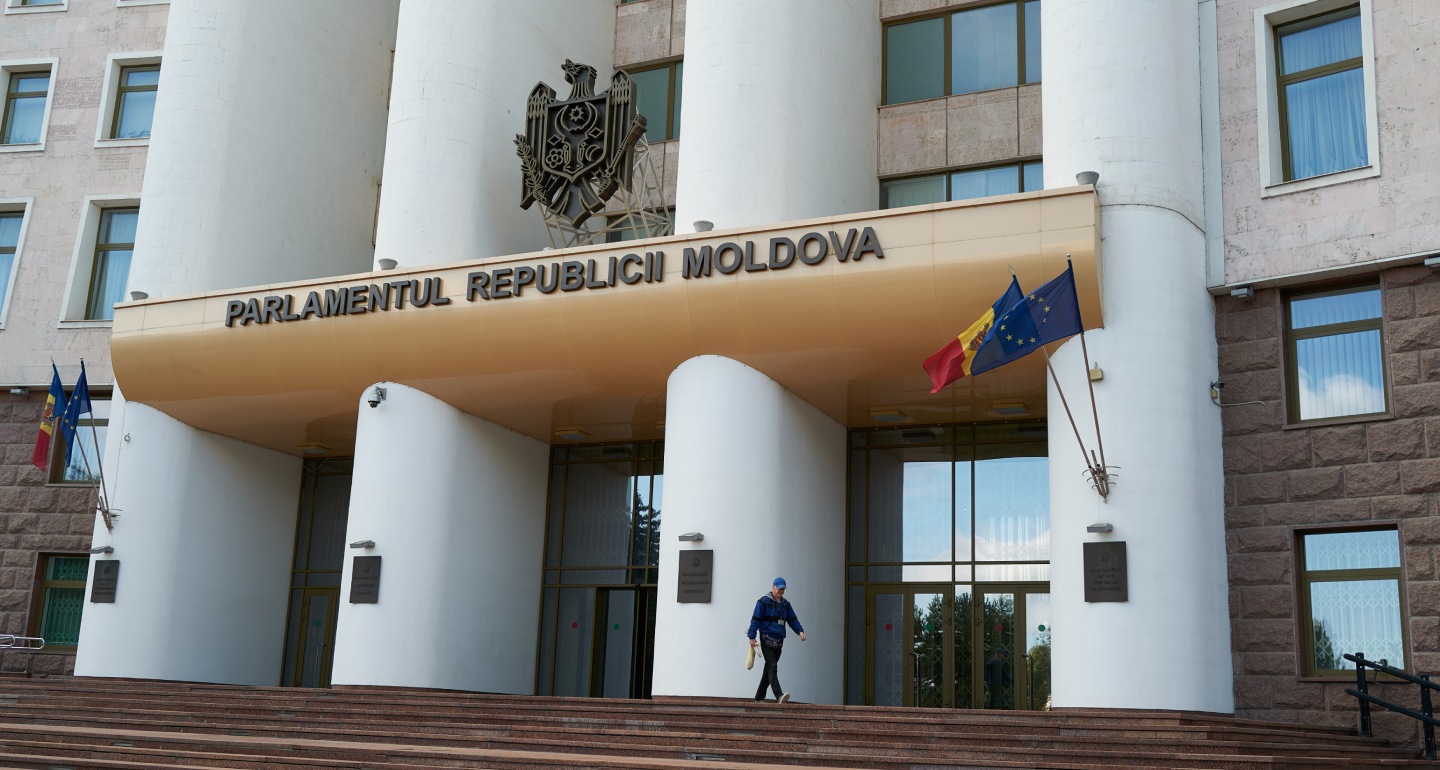
Moldova’s reintegration plan was drawn up to demonstrate to Brussels that Chișinău is serious about the Transnistria issue—and to get the West to react.

Vladimir Solovyov
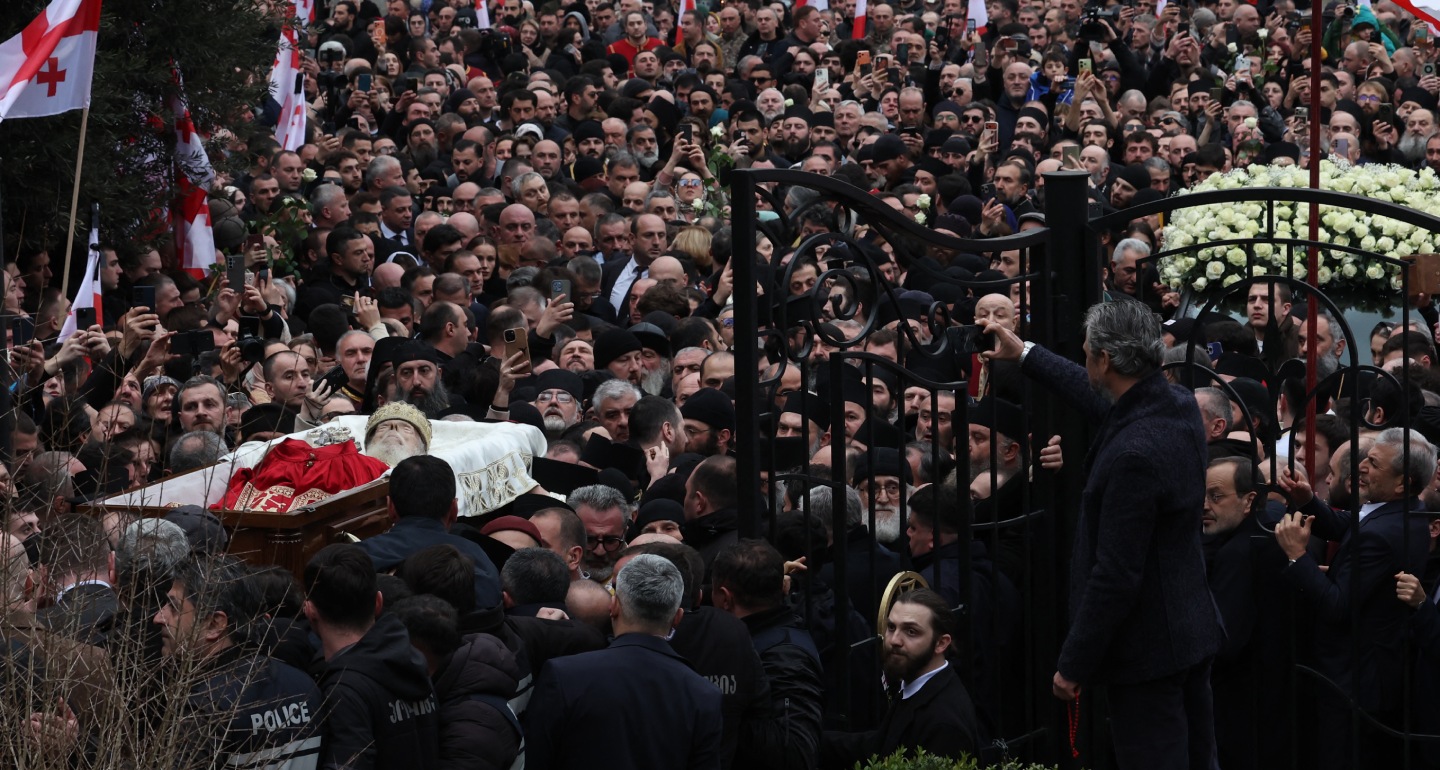
The front-runner to succeed Ilia II, Metropolitan Shio, is prone to harsh anti-Western rhetoric and frequent criticism of “liberal ideologies” that he claims threaten the Georgian state. This raises fears that under his leadership the Georgian Orthodox Church will lose its unifying role and become an instrument of ultraconservative ideology.

Bashir Kitachaev
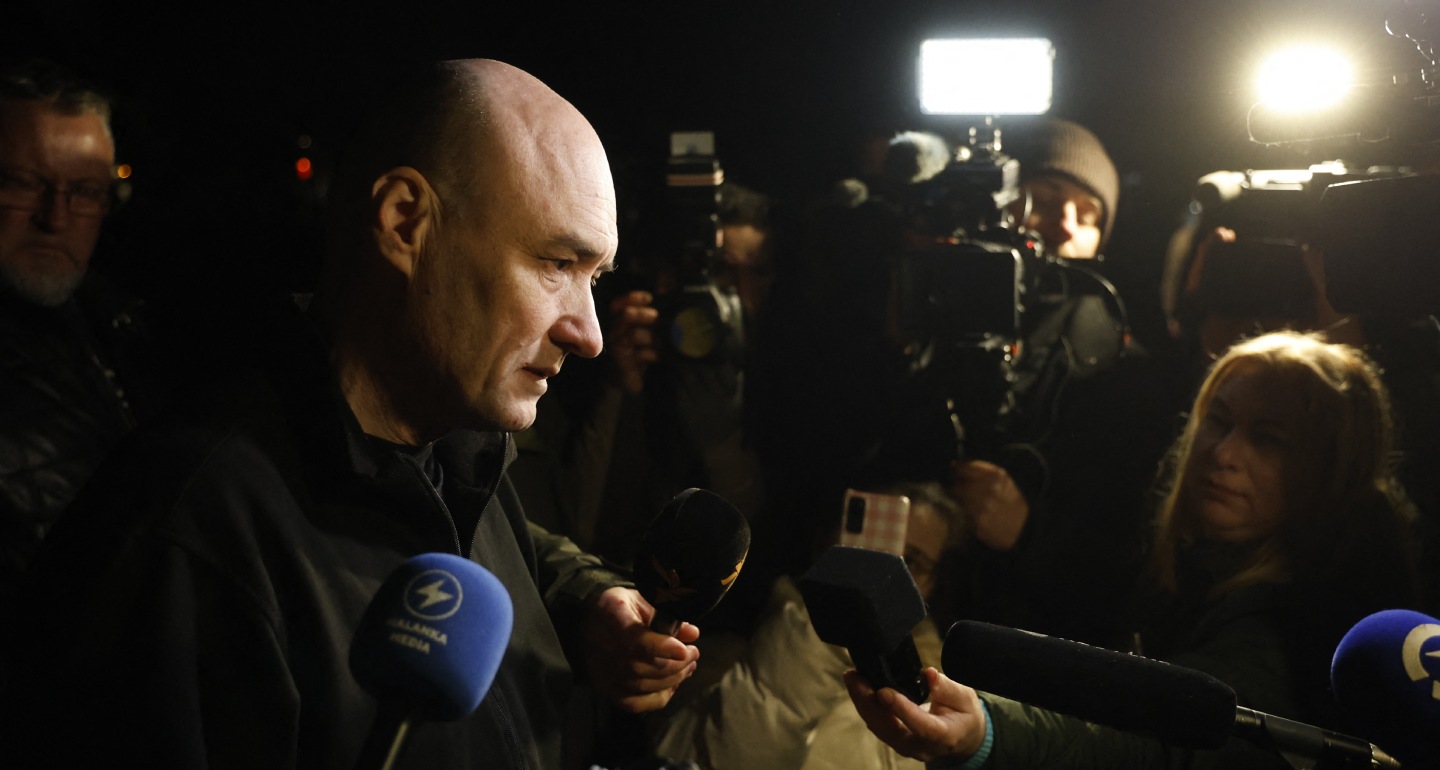
Lukashenko is willing to make big sacrifices for an invitation to Mar-a-Lago or the White House. He also knows that the clock is ticking: he must squeeze as much out of the Trump administration as he can before congressional elections in November leave Trump hamstrung or distracted.

Artyom Shraibman

The future trajectory of the U.S.-Iran war remains uncertain, but its impact on global energy trade flows and ties will be far-reaching. Moscow is likely to become a key beneficiary of these changes; the crisis in the Gulf also strengthens Russia’s hand in its relationships with China and India, where advantages might prove more durable.

Sergey Vakulenko
The Kremlin expects to not only profit from rising fertilizer prices but also exact revenge for the collapse of the 2023 grain deal.

Alexandra Prokopenko