

Комментарий
Александра Прокопенко
{
  "authors": [
    "Александра Прокопенко"
  ],
  "type": "commentary",
  "blog": "Carnegie Politika",
  "centerAffiliationAll": "",
  "centers": [
    "Carnegie Endowment for International Peace",
    "Берлинский центр Карнеги"
  ],
  "englishNewsletterAll": "",
  "nonEnglishNewsletterAll": "",
  "primaryCenter": "Берлинский центр Карнеги",
  "programAffiliation": "",
  "programs": [],
  "projects": [],
  "regions": [
    "Россия"
  ],
  "topics": [
    "Экономика",
    "Торговля"
  ]
}
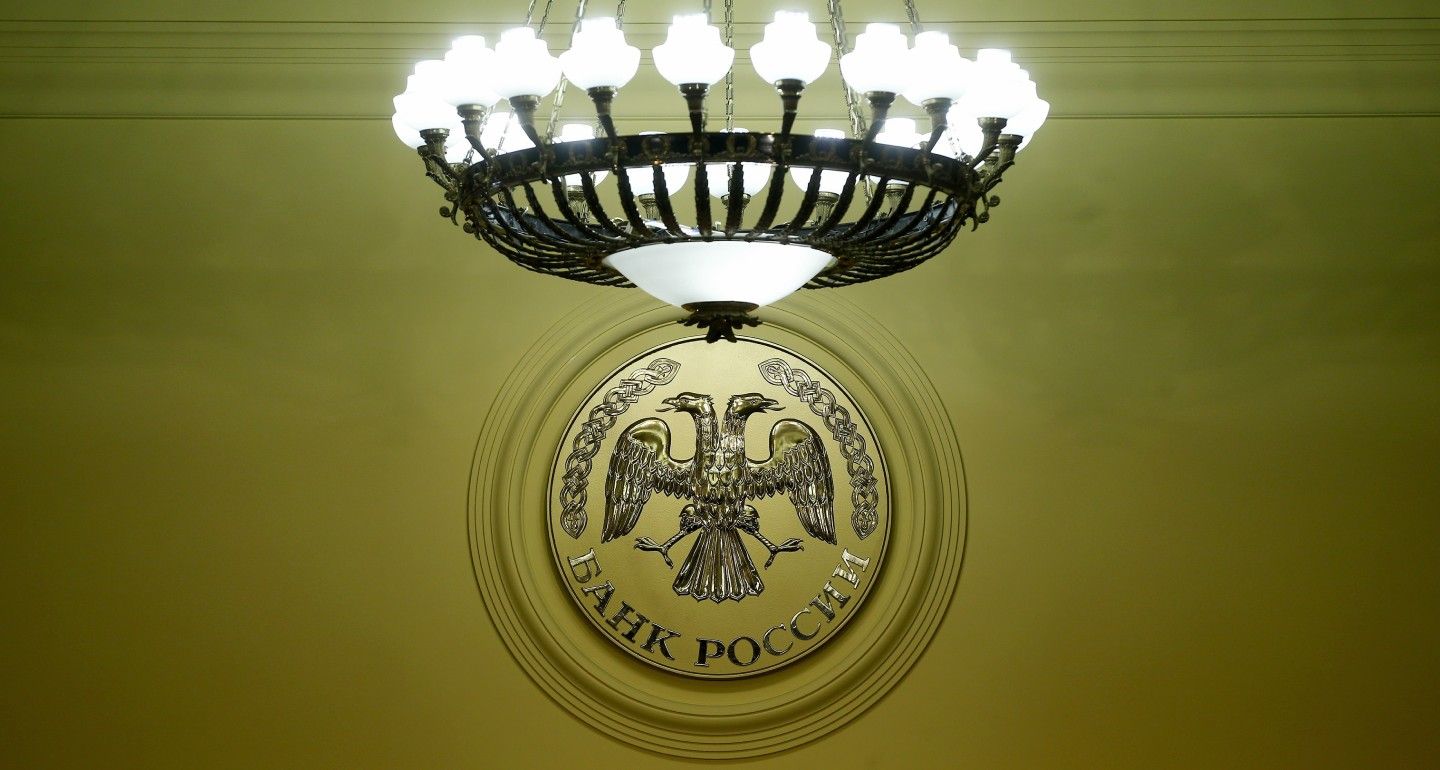
Фото: Getty Images
Независимость ЦБ в принятии решений по ставке — одна из последних ниточек, удерживающих российскую экономику от свободного падения в неуправляемый кризис. Но в условиях сокращающихся ресурсов и желания Путина продолжать войну, не считаясь с экономическими издержками, эта ниточка может не выдержать давления и порваться.
Невыносимая тяжесть высоких кредитных ставок (от 22% для бизнеса и 25% для населения) толкает крупный российский бизнес к тому, чтобы все жестче атаковать Центробанк и его руководство. Главный промышленный лоббист — Российский союз промышленников и предпринимателей (РСПП) — предложил обязать ЦБ согласовывать с правительством параметры Основных направлений денежно-кредитной политики — одного из главных регулирующих документов в этой области, который составляется на три года.
Это далеко не первая атака на Центробанк, который из-за разгона инфляции был вынужден поднять ставку до 21% и пообещал повысить ее вновь, если рост цен не замедлится. Последнее весьма вероятно, потому что российская экономика по-прежнему перегрета: инфляция в годовом выражении приближается к 8,7%, бюджет дополнительно тратит 1,4 трлн рублей до конца года, дефицит на рынке труда только растет, а вместе с ним и зарплаты.
При этом признаки замедления экономики проступают все ярче: в промышленности рост сохраняется только в связанных с войной отраслях, а инвестиции упали вдвое. Перспектива рецессии заставляет искать виноватых: промышленники и бизнес винят ЦБ. А в условиях сокращающихся ресурсов давление на регулятор может привести к опасным последствиям.
Нынешнее повышение — это уже третий раз за последнее десятилетие, когда процентные ставки в России достигают рекордных уровней. Первый раз был в декабре 2014 года, при переходе к плавающему курсу и таргетированию инфляции. Тогда ставка выросла до 17% и бизнес отреагировал предсказуемо негативно. Впрочем, снижать ставку стали уже через два месяца, а возвращать в страну валюту для сглаживания курса просил лично Владимир Путин.
Во второй раз ставка рефинансирования взлетела весной 2022 года: после начала вторжения в Украину она достигла 20%. Это позволило сбить панику, притормозить экономическую активность и остановить отток вкладов из банковской системы. Снова снижать ставку ЦБ начал уже в мае того же года.
В отличие от предыдущих случаев, нынешнее повышение оказалось намного более продолжительным. Оно началось еще в августе 2023 года в ответ на ослабление рубля и разгон инфляции. К началу 2024-го ставка достигла 16%, но разогретые внутренним спросом цены продолжали расти, так что сейчас ее уровень составляет 21% с перспективой дальнейшего повышения.
Российский крупный бизнес все жестче критикует такую политику. Против повышения ставки не раз высказывался Олег Дерипаска. Основной бенефициар «Северстали» Алексей Мордашов жаловался, что повышение ключевой ставки тормозит развитие бизнеса, а значит, замедляет экономику и повышает инфляцию. Глава «Ростеха» Сергей Чемезов называл высокую ставку главным ограничителем развития промышленности и угрожал, что из-за нее придется остановить экспорт. Не говоря уже о менее влиятельных критиках из рядов депутатов.
Недавно к хору критиков ЦБ присоединился Центр макроэкономического анализа и прогнозирования, который возглавляет брат министра обороны Андрея Белоусова Дмитрий. Там призвали снизить ставку на 5 процентных пунктов к середине 2025 года из-за риска стагфляции. И такой риск действительно существует. По некоторым оценкам, российская экономика уже перешла к инфляции без роста, но от усугубления ситуации защищает как раз жесткая денежно-кредитная политика.
Российский бизнес не впервые критикует действия ЦБ, но на этот раз он также предлагает конкретные изменения в законодательстве. Сейчас Центробанк в России не является частью какой-либо ветви власти и по закону подотчетен только парламенту, а президенту — лишь «по понятиям». Но РСПП предлагает обязать ЦБ координировать свои решения еще и с правительством.
Речь идет о том, чтобы Центробанк согласовал в правительстве Основные направления денежно-кредитной политики — документ, в котором ЦБ объясняет основные принципы своих решений, дает прогноз ожидаемого выполнения основных параметров и целевых ориентиров, а также объясняет причины отклонения от них.
До сих пор этот документ одобрял только парламент, а в правительство его направляли лишь для ознакомления. Но теперь бизнес требует, чтобы правительство готовило на него официальный отзыв, оценивая планы и действия ЦБ на предмет их «соответствия целям социально-экономического развития и укрепления государственного суверенитета». По сути, Центробанку предлагается корректировать свою политику, если правительство с ней не согласно.
ЦБ возражает, что и так конструктивно взаимодействует с правительством, а «широких целей экономической политики и устойчивого экономического роста невозможно достичь без независимого регулятора». Проще говоря, руководство Центробанка отстаивает свое право независимо от Кремля, Белого дома и промышленных лоббистов определять стоимость денег в экономике.
Исторический опыт самых разных стран показывает, что независимость Центрального банка в принятии решений и доверие экономических агентов к его политике — фундамент эффективной денежно-кредитной политики и здоровой экономики. А политическое давление на Центробанк для снижения ставок ради поддержки экономики не ускоряет ее рост, зато надолго повышает инфляцию.
Бен Бернанке, возглавлявший американскую Федеральную резервную систему (ФРС) в 2006–2014 годах, объяснял победу Пола Волкера (главы ФРС в 1979–1987 гг.) над «великой инфляцией» 1970-х годов тем, что ему была предоставлена полная свобода действий и карт-бланш на заведомо непопулярные решения. Для США этот опыт стал переломным в понимании того, что независимость центральных банков — основа разумной макроэкономической политики.
Есть и более близкие к России примеры того, к чему приводит давление на ЦБ. В Турции в начале 2023 года реальная ставка была отрицательной при ключевой — в 9%, инфляции — под 70% и полностью зависимой от президента Эрдогана политике регулятора. Сейчас Турция пришла к ставке 50% при такой же инфляции и частично независимом ЦБ, но уже с курсом 34 лиры за доллар вместо 19 и растраченными резервами. России, несмотря на войну, пока удается избегать таких финансовых качелей, в том числе потому, что Путин, в отличие от Эрдогана, доверяет руководству ЦБ и не вмешивается в его работу напрямую.
В авторитарной российской системе последнее слово всегда остается за Владимиром Путиным, который не раз публично поддерживал руководство ЦБ, игнорируя недовольство крупного бизнеса. Однако нынешняя волна критики поднялась в принципиально изменившихся условиях, а потому может быть успешной.
Раньше Россия не вела войну в Украине, отнимающую существенную часть ресурсов, и не была под санкциями западной половины мира. Теперь же экономическая политика войны похожа на парадокс: одной рукой правительство наращивает расходы (траты на войну превышают 8% ВВП, бюджетное правило не действует, субсидируются кредиты населению и бизнесу), что разгоняет инфляцию, а другой рукой Центробанк борется с растущими ценами с помощью двузначной ставки. Отсюда призывы к кабмину и регулятору согласовывать между собой свои действия, а также поиск виноватых в маячащих впереди рецессии и стагфляции.
Мало того, из-за санкций у российской бизнес-элиты в буквальном смысле нет институциональных альтернатив Путину. Им некуда бежать, и последняя возможность заработать остается только в России. Но высокая ключевая ставка сокращает маржу и, соответственно, доходы. Сверхприбылей в среднесрочной и долгосрочной перспективах не предвидится: правительство повысило налоги, инфляция подстегнула стоимость труда, а санкции затягивают удавку на шее российской экономики.
«Образа будущего нет. Размышления о долгосрочных планах в основном приводят к депрессии. Сложно придумать бизнес, который бы конкурировал с депозитом в Сбербанке (банк платит 21% годовых)», — сформулировал настроения бизнеса совладелец ритейлера и производителя электроники DNS, участник списка Forbes Дмитрий Алексеев.
Замгендиректора одного крупного промышленного предприятия объясняет в частной беседе, что оборонно-промышленный комплекс хоть и получает огромные госсубсидии, но «почти не платит подрядчикам, потому что выгоднее крутить деньги на депозитах. Кредит не взять из-за запретительных ставок, пирог сокращается. Все злые».
Бизнес сворачивает инвестиционные планы. «Собственного капитала сегодня недостаточно — более того, его становится меньше в связи с донастройкой налоговой системы (налог на прибыль с 2025 года повышается с 20% до 25%), которую мы произвели этим летом», — говорил председатель «Деловой России» Алексей Репик.
В авторитарных системах только автократ решает, кто заплатит за неудачные решения. И если убедить Путина, что Набиуллина не так лояльна, как принято считать, а ее антикризисные рецепты вредны для суверенитета и только способствуют отставанию России от других стран, то есть шанс выбить из-под председателя ЦБ единственную опору. А после такого увольнения новый глава ЦБ будет более сговорчив в вопросе ставок. Тогда банкет может продлиться еще какое-то время. О горечи похмелья в перспективе можно не думать, так как «образа будущего нет».
Пока Путин доверяет Набиуллиной, одной из архитекторов «экономической крепости Россия». Но президентские интересы сейчас далеки от экономического процветания и могут меняться под влиянием ближайшего окружения. А российский бизнес хорошо усвоил, что главное правило выживания в путинской стабильной неопределенности: умри ты сегодня, а я — завтра.
В конце 1971 года ФРС США удивила рынки, понизив ставку на 150 базисных пунктов под давлением президента Ричарда Никсона. В общей сложности монетарное смягчение с февраля 1970-го по ноябрь 1972-го, когда Никсон победил на выборах, составило около 400 базисных пунктов. Потом, чтобы исправить ситуацию, ФРС почти вдвое подняла ставки, но было поздно: инфляция к 1974 году разогналась до 11%, а экономика США свалилась в стагфляцию.
Независимость Банка России в принятии решений по ставке — одна из последних ниточек, удерживающих российскую экономику от свободного падения в неуправляемый кризис. В условиях сокращающихся ресурсов и желания Путина продолжать войну, не считаясь с экономическими издержками, эта ниточка может не выдержать давления и порваться.
Ссылка, которая откроется без VPN, — здесь.

Научный сотрудник
Александра Прокопенко — старший научный сотрудник Берлинского центра Карнеги по изучению России и Евразии.
Недавние работы
Александра Прокопенко
Александра Прокопенко

Севморпуть оживает ровно в той мере, в какой воюет остальной мир. Сейчас его подогревают сразу три конфликта, но с уменьшением их интенсивности ситуация, скорее всего, вернется туда, где была 10 лет назад.

Михаил Коростиков

Принудительная мобилизация с адресным контролем стала основной электоральной моделью. Вместо настоятельных просьб об одобрении своей политики Кремль теперь буквально требует голоса электората.

Андрей Перцев
Когда рутинно натягиваются эти самые 58%, а конституционное большинство добирается за счет не зависящих от этого процента мажоритариев, любой, кто попытается возвысить голос, будет выглядеть смешно.

Леонид Бершидский
Победить собственного избирателя оказалось проще, чем иностранную армию. Однако в результате такой победы отечественный избиратель начинает чувствовать себя оккупированным.

Александр Баунов
При значительном дефиците предложения бензина единственный механизм, приводящий рынок в равновесие, — это разрушение спроса и уменьшение автомобильного трафика. То есть масштабы снижения российской нефтепереработки можно оценить на основе того, насколько меньше россияне стали ездить на автомобилях.

Сергей Вакуленко