

Report
- +2
George Perkovich, Jessica Tuchman Mathews, Joseph Cirincione, …
{
  "authors": [
    "Joseph Cirincione"
  ],
  "type": "legacyinthemedia",
  "centerAffiliationAll": "dc",
  "centers": [
    "Carnegie Endowment for International Peace"
  ],
  "collections": [],
  "englishNewsletterAll": "ctw",
  "nonEnglishNewsletterAll": "",
  "primaryCenter": "Carnegie Endowment for International Peace",
  "programAffiliation": "NPP",
  "programs": [
    "Nuclear Policy"
  ],
  "projects": [],
  "regions": [],
  "topics": [
    "Military",
    "Nuclear Policy"
  ]
}
REQUIRED IMAGE
Source: Carnegie
Reprinted with permission from The Globalist, 9 January 2001
Joseph Cirincione, Senior Associate
The world eagerly awaits the stance of the new U.S. administration on the issue of National Missile Defense (NMD). So far, the Europeans, Russians and Chinese — a truly globe-spanning coalition — have all stated their firm opposition to development of such a program. But on this issue, fortunately, General Colin Powell, the incoming U.S. Secretary of State, may be a pleasant surprise for the less hawkish forces inside — and outside — the United States, argues Joe Cirincione of the Washington-based Carnegie Endowment for International Peace.
Many commentators have predicted that national missile defense would be an early crisis issue confronting the incoming Bush administration. However, there are no decisions on the existing timetable which officials have to tackle early in the new year that would force such a crisis.
On the contrary, all signs point to a protracted process, at least until the new Pentagon team's promised strategic review is completed late next year. Colin Powell is one of several Bush advisors notably restrained on missile defense. He made four key points in his brief remarks to reporters on December 16 in Texas.
Showing restraint
First, rather than elevate the importance of a national missile defense, he views the issue as "an essential part of our overall strategic force posture, which consists of offensive weapons, command and control systems, intelligence systems and a national missile defense." He then added an oft-forgotten — but vitally important — goal of any nuclear defense: "I still hearken back to the original purpose of such a defense, and that is to start diminishing the value of offensive weapons."
Powell thus seems rooted in a policy agenda that could be characterized as the following: Go slow on defenses, negotiate any missile deployments — and devalue nuclear weapons. For those forces inside the Republican Party who have argued for a crash program to deploy national missile defenses, it was not welcome news.
It's not just a matter of will
Former House Speaker Newt Gingrich, Senator John Kyl and other missile defense proponents hold that the technology now exists for an effective defense. They say that all that has been holding the United States back is the political will to deploy. Mr. Powell is more cautious, saying that the next U.S. Secretary of Defense would, "make a full assessment of the state of technology — where are we, what can we accomplish — and structure a plan."
He clearly wants to go forward, but not without negotiations with U.S. allies, Russia and perhaps China. "We have to spend time discussing it with our allies," he said, "discussing it with other nations in the world that possess strategic offensive weapons - and don't yet understand our thinking with respect to national missile defense. These will be tough negotiations; I don't expect them to be easy."
Reducing the value of nuclear weapons
Powell returned to his theme of reducing the value of nuclear weapons as he closed his brief remarks. Nuclear defenses in his view are not simply about providing a shield against nuclear blackmail, but part of an effort "to finally start to move in the direction where we can take away the currency associated with strategic offensive weapons."
It is useful to remember in this context that as Chairman of the Joint Chiefs, General Powell designed — and implemented — the last fundamental revision in U.S. nuclear posture in 1991. Remarkably, his exercise resulted in withdrawing and de-alerting thousands of nuclear weapons. By comparison, the Clinton administration 1994 Nuclear Posture Review made only minor policy adjustments.
Calm temperament, tense issues
Still, what remains to be seen is how Powell's calm nuclear temperament might be translated into peaceful relations with Russia when the specifics of an old ABM Treaty are renegotiated. If Powell's role in the new administration is as influential as many believe, it may mean more dramatic changes in both the number and rationale for the 7,500 strategic nuclear weapons now deployed in U.S. bases around the country.
Based on Mr. Powell's record, as well as on his recent remarks, the odds are that he may prove to be a refreshingly circumspect nuclear dove, rather than a hawk. This sets up a direct conflict with the more hard-line views of Secretary of Defense-designate Donald Rumsfeld, Secretary of Energy-designate Spencer Abraham and incoming Vice President Dick Cheney.
Sparks flying
Powell's views on missile defense are more in-line with the joint-chiefs, who are more concerned with funding new conventional weapons programs, while Rumsfeld and Cheney block with the more ideological Congressional conservatives. Sparks will fly within the new administration as the new president attempts to reconcile campaign rhetoric with technical and diplomatic realities.
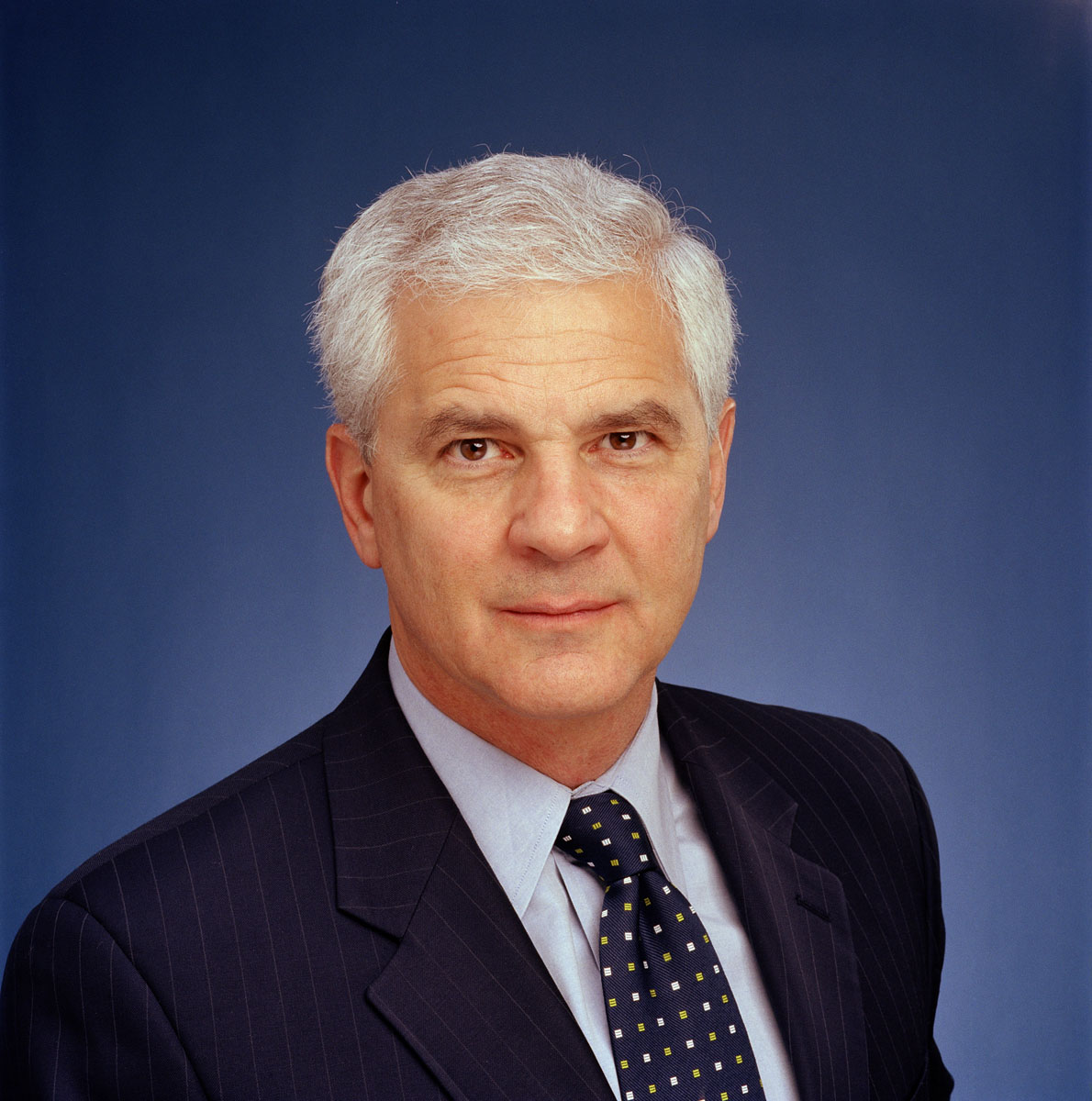
Former Senior Associate, Director for NonProliferation
Recent Work


George Perkovich, Jessica Tuchman Mathews, Joseph Cirincione, …
Joseph Cirincione
Carnegie does not take institutional positions on public policy issues; the views represented herein are those of the author(s) and do not necessarily reflect the views of Carnegie, its staff, or its trustees.
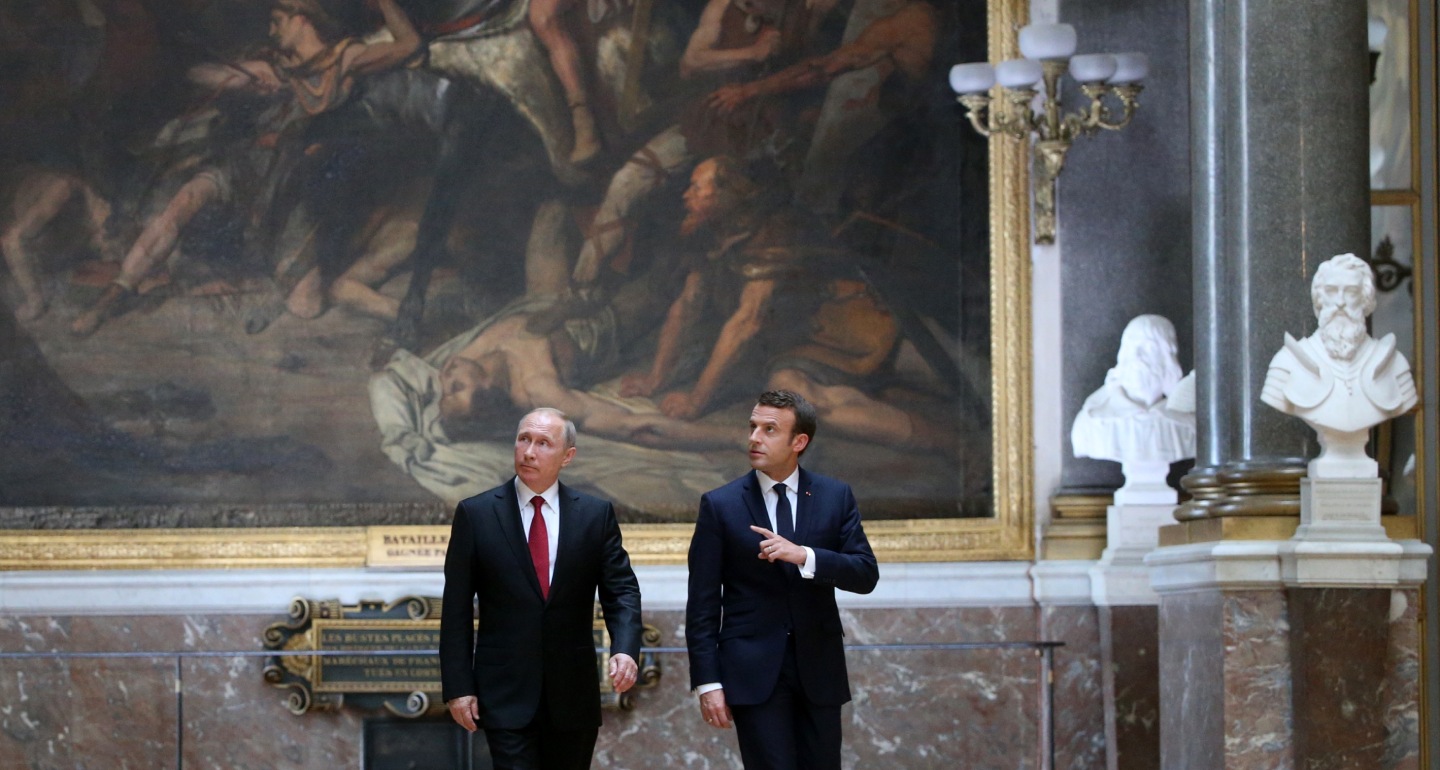
Reestablishing a dialogue with Moscow is not a goal in its own right. The goal is to guarantee the independence of Ukraine and the peace and security of Europe.
Arkady Moshes
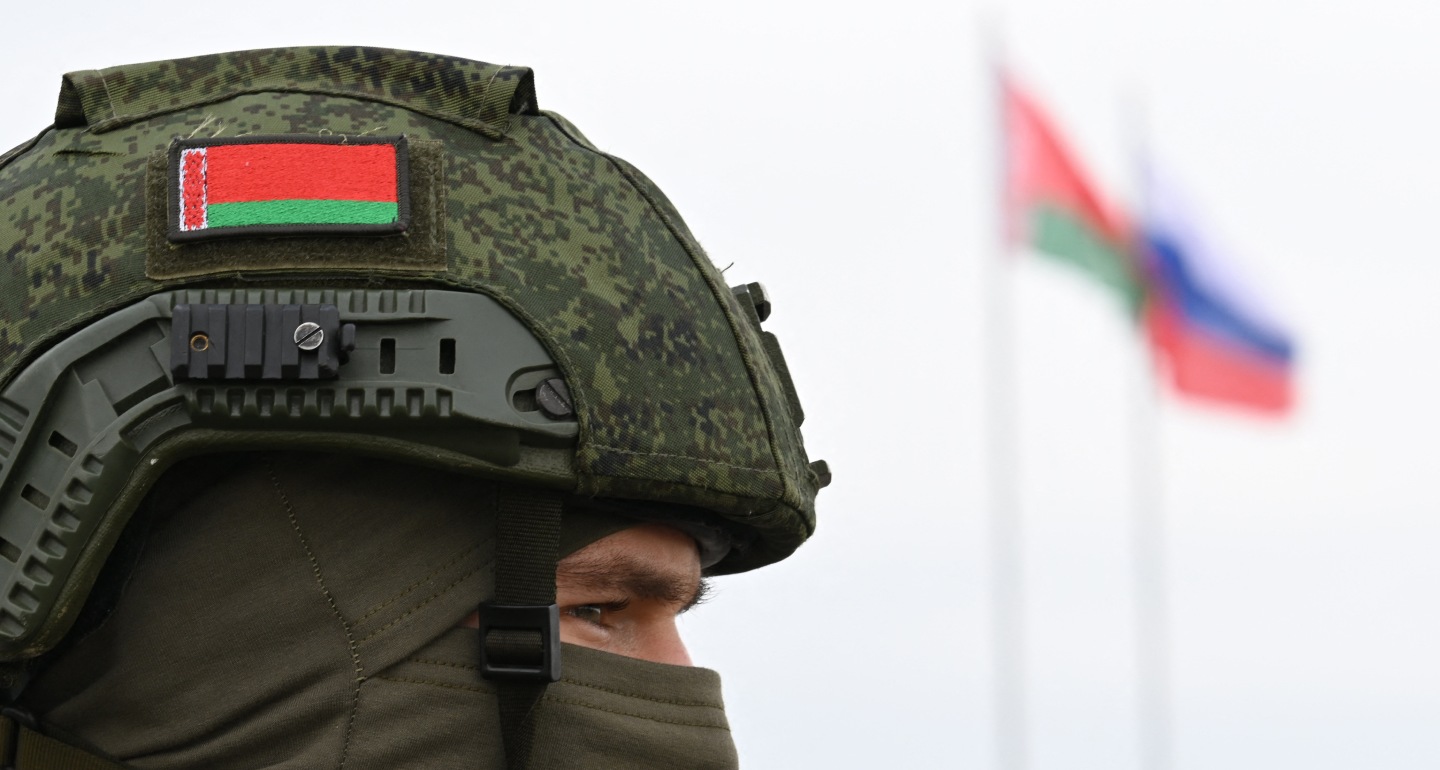
By reminding the world that Lukashenko is a threat to NATO and Ukraine, Kyiv is trying to return the focus to why the Belarusian regime needs to be contained rather than rewarded.

Artyom Shraibman
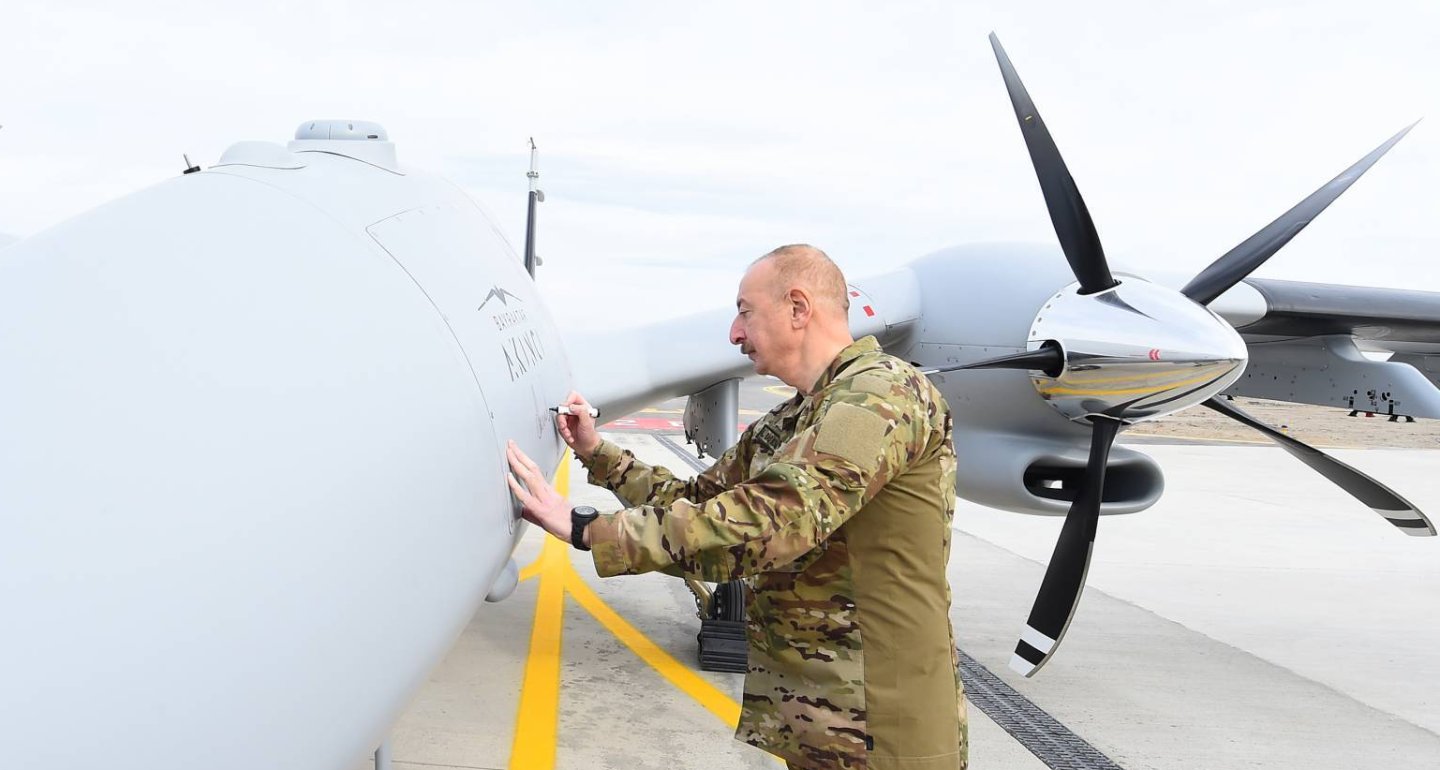
Baku’s backing for Ukraine is less about confronting Russia than about quietly broadening the mix of partners it relies on.
Zaur Shiriyev
Troubled by the growing salience of nuclear debates in East Asia, Moscow has responded in its usual way: with condemnation and threats. But by exacerbating insecurity, Russia is forcing South Korea and Japan to consider radical security options.

James D.J. Brown
If the regime in Tehran survives, it could be obliged to hand Moscow significant political influence in exchange for supplies of weapons and humanitarian aid.

Nikita Smagin