

Article
Леонид Гозман, Michael McFaul
{
  "authors": [
    "Michael McFaul"
  ],
  "type": "legacyinthemedia",
  "centerAffiliationAll": "dc",
  "centers": [
    "Carnegie Endowment for International Peace"
  ],
  "collections": [],
  "englishNewsletterAll": "ctw",
  "nonEnglishNewsletterAll": "",
  "primaryCenter": "Carnegie Endowment for International Peace",
  "programAffiliation": "russia",
  "programs": [
    "Russia and Eurasia"
  ],
  "projects": [],
  "regions": [
    "Caucasus",
    "Russia"
  ],
  "topics": [
    "Foreign Policy"
  ]
}
REQUIRED IMAGE
Source: Carnegie
Los Angeles Times, June 24, 2001
WASHINGTON--After his first meeting with Vladimir V. Putin last weekend, a relaxed President George W. Bush observed that the Russian president was a man he can trust. He even invited Putin to his ranch in Crawford, Texas.
In private, Bush reportedly took issue with Putin's anti-democratic policies. For Russian democrats and their supporters in the West, however, Bush's public praise for Putin was a disheartening moment, making it that much more difficult for the Russian president's opponents to criticize him at home.
Former President Bill Clinton was often chastised for being too chummy with Boris N. Yeltsin, but at least the former Russian president, for all his flaws, destroyed communism, dismantled the Soviet Union and encouraged the emergence of basic democratic institutions, including a free press and civil liberties, in Russia. Rhetorically, Putin, too, is a democrat. In practice, however, his policies have eroded Russian democracy. The gap between his rhetoric and actions makes him untrustworthy.
Putin's policy toward the press and the free flow of information is one example of why he can't be trusted yet. Speaking to a group of journalists on June 13, Putin asserted that a free press is the "most important guarantor of the irreversibility of our country's democratic course." That same day, the Federal Security Service (FSB), the main successor to the Soviet KGB, reprimanded a U.S. lecturer, Elizabeth Sweet, for asking her students at Omsk State University to prepare a report on the region's social and economic situation. The FSB worried that such information from "unofficial sources" could damage the "image and competitiveness of our businesses."
This assault on the free flow of information in the Putin era has penetrated virtually every sector of Russian society. Most notably, Putin and his surrogates destroyed Media-Most, the holding company of the only independent national television network, NTV, as well as the daily newspaper Sevodnya and the weekly Itogi. While Media-Most's financial problems made the company vulnerable, there is little doubt that the state's actions it were politically motivated.
Media-Most and Sweet are the most visible victims of a new Putin policy, codified in Russia's informational-security doctrine, of increased state regulation of the free expression of ideas and the free flow of information in Russia. Following Putin's lead, regional governors have placed practically all local media under state control. Every week, there are accounts of violence toward journalists and the suspension or shutdown of newspapers. At the same time, Putin's regional representatives are creating their own mass media, providing them with money and administrative support.
The Internet is being reined in, too. Using complicated licensing procedures, the Russian state has threatened to close Internet access providers that support websites critical of the government. For example, Rostelecom, a company in which the state is the largest shareholder, temporarily shut down Memonet, an Internet provider to the popular political Websites Inopressa.ru and NTV.ru. At the same time, the Russian government plans to build a $200-million Internet portal, Electronic Russia, to provide "proper" information about Russia.
Contacts between Russian scholars and foreigners also have become a new target of control. Authorities at the Russian Academy of Sciences recently directed employees of all laboratories and institutions to notify them when they apply for international grants, providing copies of their applications and accompanying materials. Employees must report visits of all foreigners, submit written reports on business trips abroad and provide copies of all articles submitted to publications abroad. The order's rationale is to prevent secret information from being leaked abroad. Under Russian law, there are 86 categories of "secret information," but what is secret and what isn't is left to the discretion of the authorities.
Even travel abroad, one of the real tangible benefits of Russia's anti-communist revolution, has been restricted. Earlier this month, Russian state authorities detained human rights activist Sergei I. Grigoryants at the Moscow airport in an attempt to prevent him from attending an academic conference in Washington. While Grigoryants eventually succeeded in leaving the country the next day, his detention, which included the confiscation of his plane ticket and money, had a chilling effect on other conference participants.
All these events contribute to the most disturbing new phenomenon in Russia: self-censorship. Journalists, academics and even politicians are afraid to express what they really believe.
Did Putin order Grigoryants' detention? No. Did he instruct local authorities in Omsk to halt Sweet's research project? Of course not. But has Putin done anything to strengthen the "most important guarantor of the irreversibility of our country's democratic course"--a free press? The answer is also no. So should Putin be trusted at his word or judged by his actions?
Bush rightly remarked at his meeting with Putin that Russians themselves must choose whether to build democracy and pursue greater integration with the West. When surveyed in opinion polls, two-thirds of Russian citizens express support for the general idea of democracy, and nearly 80% of them say that a free press is important. So when Putin and similarly minded Russians make anti-democratic moves, Bush must express his disapproval diplomatically and publically. In doing so, he will empower those brave people in Russia still fighting for democracy.
Former Senior Associate
In addition to his role at Carnegie, McFaul is Peter and Helen Bing Senior Fellow at the Hoover Institution and associate professor of political science at Stanford University.
Recent Work
Леонид Гозман, Michael McFaul
Michael McFaul, Sanja Tatic
Carnegie does not take institutional positions on public policy issues; the views represented herein are those of the author(s) and do not necessarily reflect the views of Carnegie, its staff, or its trustees.
The war in Ukraine and a change in ownership led VK to neglect its commercial ventures in favor of implementing the Kremlin’s online agenda. Now it’s been sanctioned by the EU.

Maria Kolomychenko
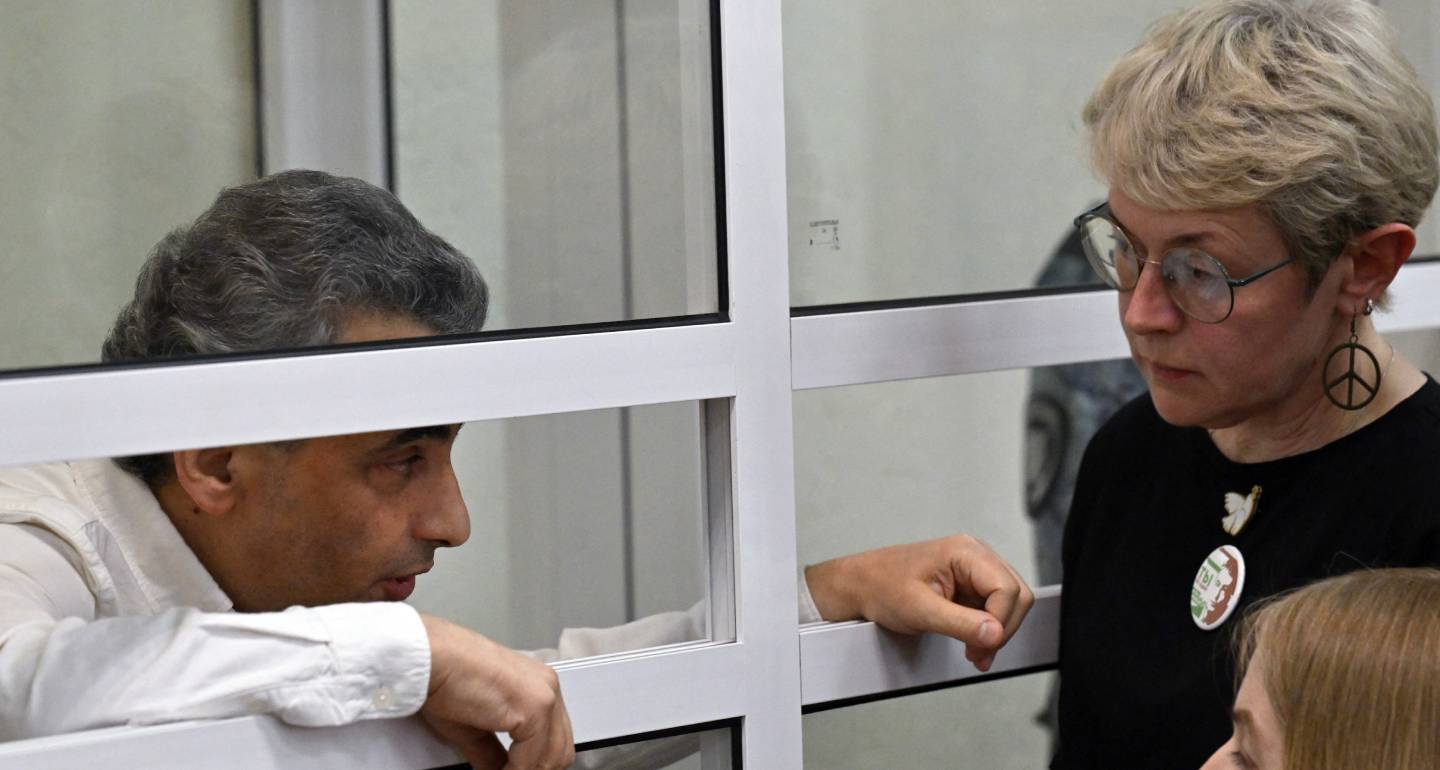
A regime founded on force, coercion, and repression does not want its propaganda, with all its flaws of logic, omissions, and outright lies, to be competing with the most simple of all messages: Thou shalt not kill.

Leonid Bershidsky
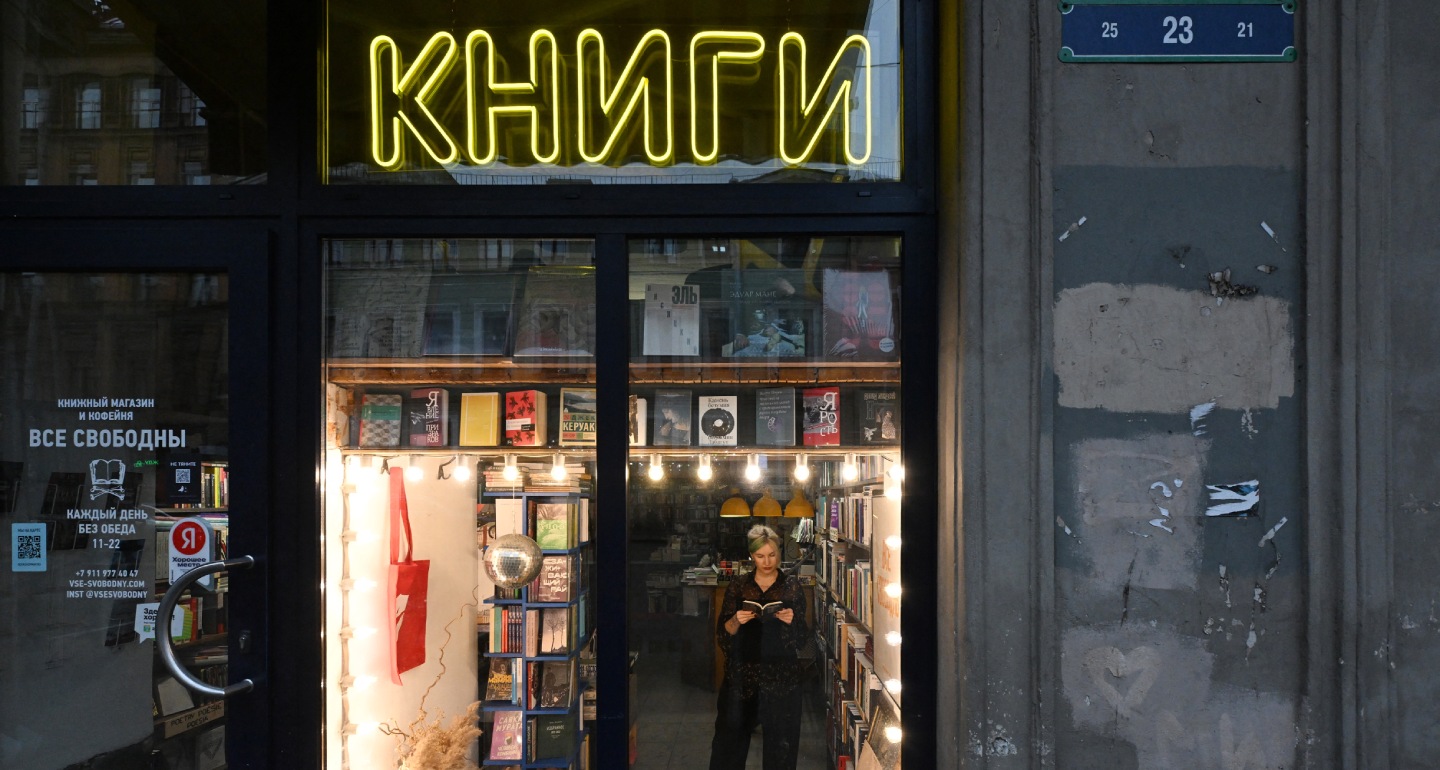
Political pressure and economic headwinds are closely intertwined problems for Russian publishers and booksellers. Together, they risk propelling Russia into a “post-literate” era.
Galina Yuzefovich

In the discussions made possible by the State Duma election campaign, one question is being asked more and more loudly. “What next?”

Andrey Pertsev
While the Nazis rushed ahead in a revolutionary fervor, Russia’s modern crusaders against enemies of the state work methodically, giving their targets time to adjust to restrictions before closing the loopholes.
Leonid Bershidsky