

Commentary
Ms. Amy Hawthorne
{
  "authors": [
    "Amy Hawthorne"
  ],
  "type": "legacyinthemedia",
  "centerAffiliationAll": "dc",
  "centers": [
    "Carnegie Endowment for International Peace"
  ],
  "collections": [],
  "englishNewsletterAll": "democracy",
  "nonEnglishNewsletterAll": "",
  "primaryCenter": "Carnegie Endowment for International Peace",
  "programAffiliation": "DCG",
  "programs": [
    "Democracy, Conflict, and Governance",
    "Middle East"
  ],
  "projects": [],
  "regions": [
    "Middle East",
    "North Africa"
  ],
  "topics": [
    "Political Reform",
    "Democracy",
    "Security",
    "Foreign Policy"
  ]
}
REQUIRED IMAGE
Since 9/11, the Bush administration has moved the issue of democracy higher on its Middle East agenda than has any previous US government. This represents a historic shift in the underpinnings of American strategic thinking on the Middle East. Washington has now linked terrorism against the US, religious extremism, and anti-American sentiment to the prevalence of authoritarian rule in the region.
Source: Daily Star
Since Sept. 11, 2001, US President George W. Bush’s administration has moved the issue of democracy higher on its Middle East agenda than has any previous American government. This represents a historic shift in the underpinnings of American strategic thinking on the Middle East. Washington has now linked terrorism against the United States, religious extremism, and broader anti-American sentiment to the prevalence of authoritarian rule in the region. The US has also concluded that corruption and poor governance in the Palestinian Authority helped fuel the intifada, and that only a technocratic, democratic Palestinian leadership can make peace with Israel.
Those in the Arab world – even those who have long called for the US to pay more attention to democracy and human rights – could hardly be faulted for reacting with deep skepticism to Washington’s new posture, or for wishing the whole issue would simply vanish from the US agenda.
America’s use of war and occupation as tools to establish democracy in Iraq is, to many, a most frightening manifestation of what foreign democracy promotion can involve. The assumption of some in the Bush administration that democratization is a simple task or that it will automatically produce moderate, compliant, pro-American policies stems from a naive and erroneous reading of the region’s politics. Washington’s democracy rhetoric often seems constructed in a vacuum, appearing to reflect America’s interests instead of the real day-to-day needs of the region. And Washington has yet to reverse its long track record as a supporter of nondemocratic regimes by taking the sort of consistent, tough actions on behalf of democracy and human rights that are the hallmark of a genuine democracy promotion policy.
But the Arab world has to realize that, however flawed or misguided, Washington’s interest in Middle East democracy promotion is unlikely to disappear anytime soon; indeed, it may grow.
Despite pervasive skepticism, beyond regime change in Iraq other potential signs of change have appeared in the region since the Iraq war, some of which may be linked to a combination of the US-led toppling of Saddam Hussein’s regime and President Bush’s frequent invocation of his vision of a democratic future for the Middle East. Arab governments eager to land in Washington’s democratic good graces have taken small steps toward reform. Jordan and Yemen held long-delayed elections. Qatar promulgated a new constitution that allows for a partially elected legislature. Egypt will form a national human rights council. With US and European arm-twisting, a Palestinian prime ministership was established.
Some optimists conclude all this means the Middle East has reached a democratic turning point. But recent developments call for cautious analysis, and prompt four key questions. First, will the new crop of political reforms lead to genuine changes in how politics are practiced and how citizens relate to their governments, or will liberalization mostly be cosmetic as it was in the 1990s? Second, in a region noteworthy for elite and popular ambivalence about democratization, will reformers succeed in defining and seeking democratic change in ways that resonate locally? Third, will the US be willing to take difficult steps to promote democracy, such as challenging friendly incumbent regimes and acknowledging the political role of Islamists? Finally, will developments in Iraq shift the political undercurrents of the region toward democratization, or solidify the infrastructure of the undemocratic status quo?
To help answer such questions, the Washington-based Carnegie Endowment for International Peace has launched a new electronic publication, the Arab Reform Bulletin. Carnegie is a leading, nonpartisan research institution dedicated to cutting-edge work on international affairs and America’s role in the world. Each month, at no cost to subscribers, the bulletin will analyze key developments relating to political reform in Iraq and elsewhere in timely and concise original pieces by leading experts in the United States, the Arab world and Europe. The bulletin will also feature a digest of news, opinion, and recent writings on reform topics.
The goal of the bulletin is twofold: to help Western audiences keep abreast of the realities of the region and to provide Arab readers with fresh insights into developments in their own region. Like Carnegie’s work on democratic change in the former Soviet Union, Africa, Latin America and elsewhere, the bulletin will reflect the perspectives that democracy is indeed desirable, but is harder to achieve than usually imagined, and that external actors have a role to play, but a more complex one than is typically assumed.
It remains to be seen what effect Washington's growing interest in Middle East democratization – or at least its own definition of democracy in the Middle East – will have on the actual politics of the region. But the need on both sides to jettison wishful thinking about democracy promotion has never been greater.
Originally published in Lebanon's Daily Star.
Former Associate
Recent Work
Ms. Amy Hawthorne
Ms. Amy Hawthorne, Hesham Nasr
Carnegie does not take institutional positions on public policy issues; the views represented herein are those of the author(s) and do not necessarily reflect the views of Carnegie, its staff, or its trustees.

In the tenth year of his presidency, President Mirziyoyev’s system is becoming even more personalized than that of his predecessor Karimov.

Galiya Ibragimova

With the growth in points of friction between the great powers, organizations like the SCO will continue to play a role in the strategic adaptation of the smaller powers caught between them.

Temur Umarov
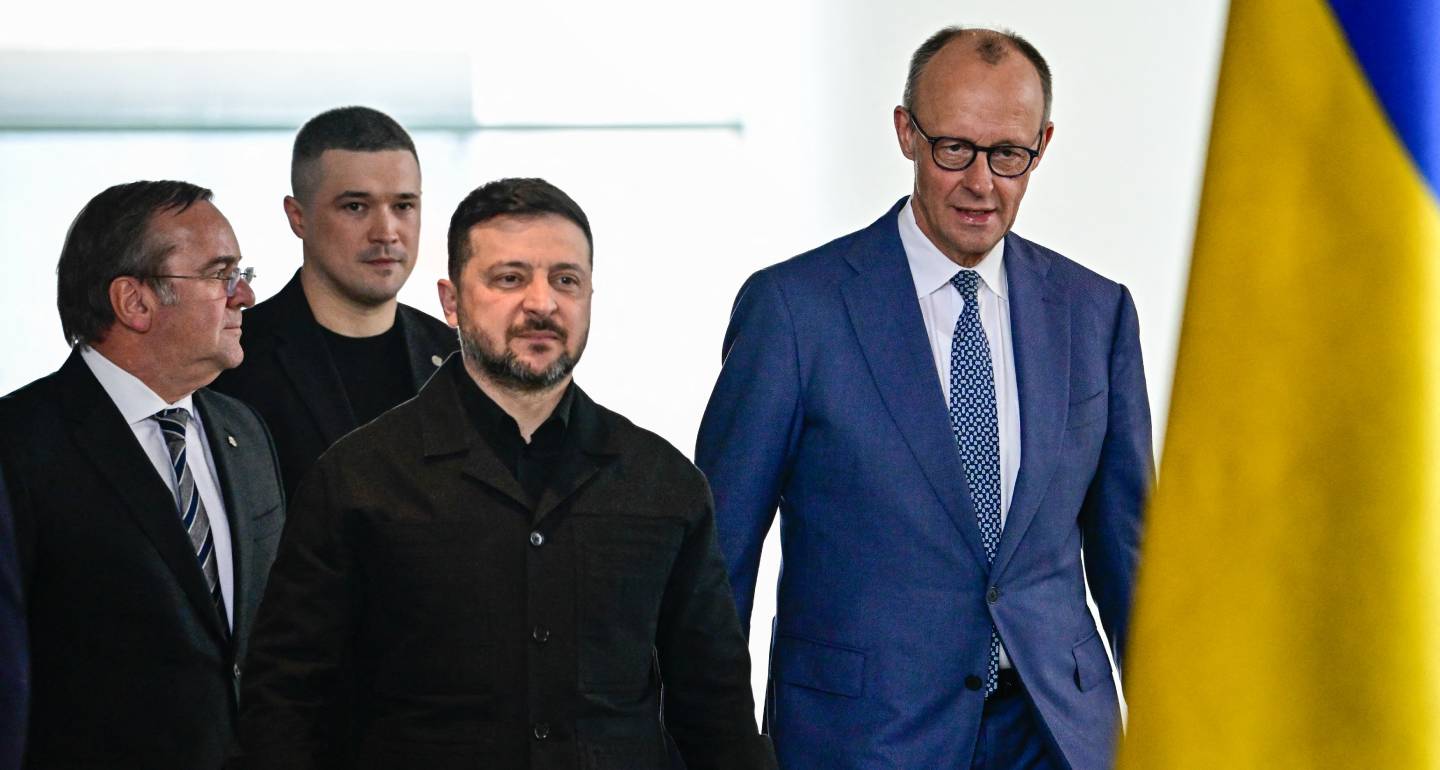
The greater threat to Zelensky comes not from Fedorov alone, but from the convergence between the former defense minister’s political campaign and the anti-corruption investigations moving ever closer to the presidential administration.

Balázs Jarábik
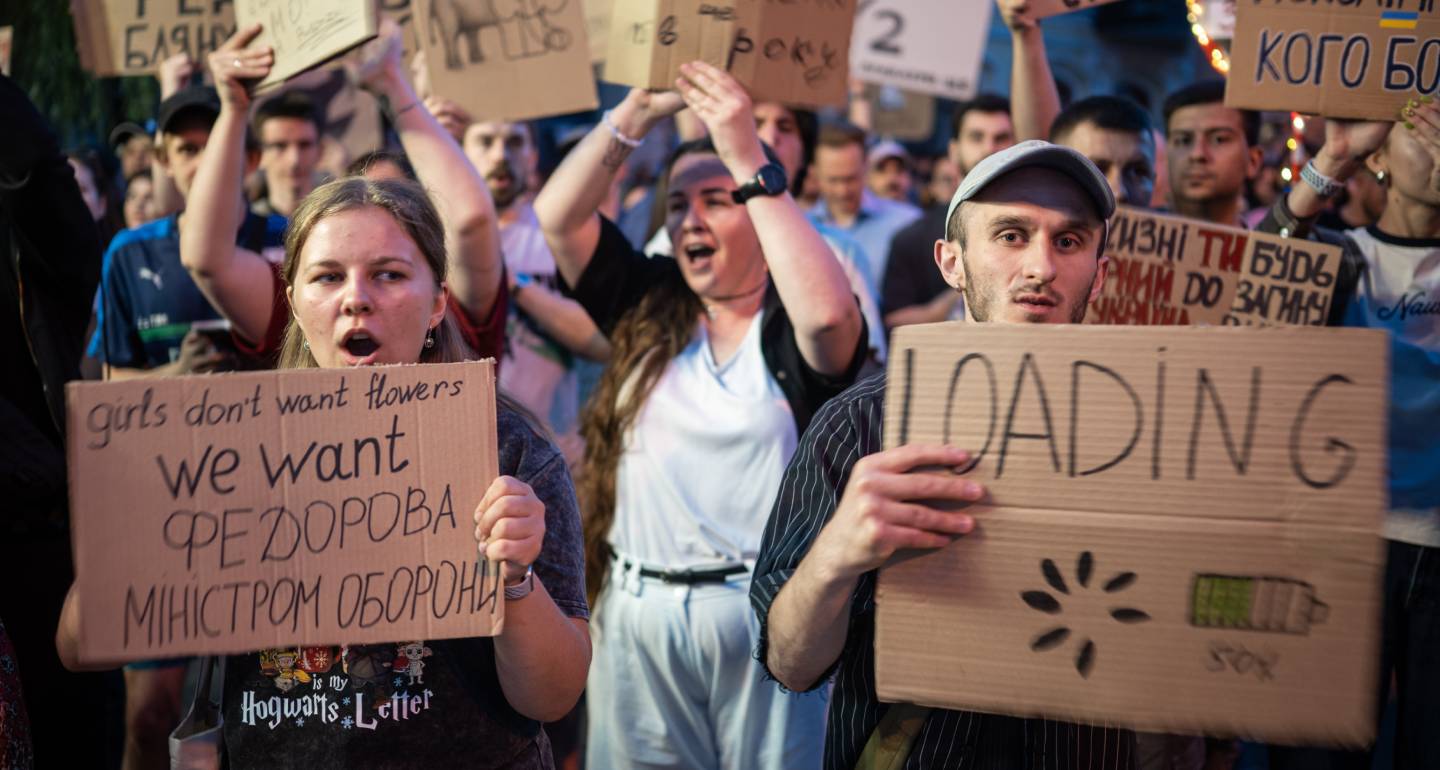
With his public call for new elections in Ukraine, ex-defense minister Mykhailo Fedorov has opened Pandora’s box.

Konstantin Skorkin

In the discussions made possible by the State Duma election campaign, one question is being asked more and more loudly. “What next?”

Andrey Pertsev