

Paper
Mei Ying Gechlik (Veron Hung)
{
  "authors": [
    "Mei Ying Gechlik (Veron Hung)"
  ],
  "type": "legacyinthemedia",
  "centerAffiliationAll": "dc",
  "centers": [
    "Carnegie Endowment for International Peace"
  ],
  "collections": [],
  "englishNewsletterAll": "asia",
  "nonEnglishNewsletterAll": "",
  "primaryCenter": "Carnegie Endowment for International Peace",
  "programAffiliation": "AP",
  "programs": [
    "Asia"
  ],
  "projects": [],
  "regions": [
    "East Asia",
    "China"
  ],
  "topics": [
    "Political Reform"
  ]
}
REQUIRED IMAGE
The constitutional hurdles for direct election of Mr Tung's replacement appear insurmountable. But since the shelving of the national security bill, the word "insurmountable" seems to be fading from the Hong Kong lexicon. The territory's people may yet give the world another surprise.
Source: Carnegie
Why HK democrats need a sense of timing
By Veron Hung
Reprinted with permission from the Financial Times, August 5, 2003
Beijing's staunch support for Tung Chee-hwa, the chief executive of Hong Kong, seems to have quieted the largest outbreak of political unrest in the territory since it was handed back to Chinese rule. Yet any misstep by Mr Tung in the coming year is likely to spark renewed public demands for his resignation. If Hong Kong's residents are to ensure that his replacement is directly elected, they must start acting now to clear the many constitutional hurdles in their way.
Mr Tung is unlikely to survive another year. He faces five grave challenges, the solutions to which require a degree of competence and leadership that he appears to lack. First, the new finance and security chiefs whom Mr Tung appointed on Monday to replace their unpopular predecessors have to win public confidence soon. The response to these appointments has been mixed and there are doubts about the new chiefs' ability to cope with their work.
Second, Mr Tung must revive Hong Kong's ailing economy and combat record levels of unemployment. Under the Closer Economic Partnership Agreement that Hong Kong and China signed in June, Hong Kong businesses will have preferential access to 17 service sectors in China. But it is unclear just how much this will do to help the territory's economy; any benefits are unlikely to be felt in the near future.
Third, Mr Tung must be ready for another outbreak of severe acute respiratory syndrome. In spite of the seriousness of last winter's epidemic, which killed 300 people in the territory, his administration's response was sluggish.
The remaining two challenges are the population's demand for full democracy and its worries about the controversial national security bill that Mr Tung was forced to shelve after massive protests last month. Mr Tung has yet to explain clearly how he will handle these two issues.
Mr Tung is skating on thin ice. If his blunders trigger more big demonstrations, Hu Jintao, China's president, would consider him a political liability. So too might Jiang Zemin, China's former president, who handpicked Mr Tung and, as commander-in-chief of the armed forces, retains a huge powerbase. These two are unlikely to resist further pressure for Mr Tung's resignation, for fear of undermining growing confidence in Beijing on the part of Hong Kong's residents.
Under the current constitutional arrangements, if Mr Tung goes, his successor would be chosen by Beijing and "elected" by a Beijing-controlled committee. That is not what most Hong Kong residents want. Polls show they want their chief executive directly elected. However, under the Basic Law, a mini-constitution that Beijing adopted for Hong Kong, direct elections cannot take place before 2007.
The Basic Law cannot easily be changed. Only China's national legislature has the power to amend it. The standing committee of the national legislature and the State Council, China's highest executive organ, may propose amendment bills. These organs of the central government are unlikely to propose bills that will allow direct elections of Mr Tung's replacement.
Hong Kong may propose bills to amend the Basic Law. But these bills have to be approved by the chief executive, two-thirds of the local legislature and two-thirds of local deputies to the national legislature. Most local legislators and deputies to the national legislature are unlikely to disregard Beijing's stance, and it is unthinkable that Mr Tung would give his consent.
These are not the only obstacles confronting those who advocate direct election of the chief executive. Timing is also critical. China's national legislature meets only once a year (usually in March) but the Basic Law requires that a new chief executive be selected no more than six months after the office of chief executive becomes vacant. So if Beijing let Mr Tung step down next July (say), it could argue that universal suffrage for Mr Tung's replacement was impossible. That is because the Basic Law could not be amended until March 2005, when the legislature met - but a new chief executive would have to be selected by January 2005.
The constitutional hurdles for direct election of Mr Tung's replacement appear insurmountable. But since the shelving of the national security bill, the word "insurmountable" seems to be fading from the Hong Kong lexicon. The territory's people may yet give the world another surprise.
Former Non-Resident Associate
Recent Work
Mei Ying Gechlik (Veron Hung)
Mei Ying Gechlik (Veron Hung)
Carnegie does not take institutional positions on public policy issues; the views represented herein are those of the author(s) and do not necessarily reflect the views of Carnegie, its staff, or its trustees.

With the growth in points of friction between the great powers, organizations like the SCO will continue to play a role in the strategic adaptation of the smaller powers caught between them.

Temur Umarov
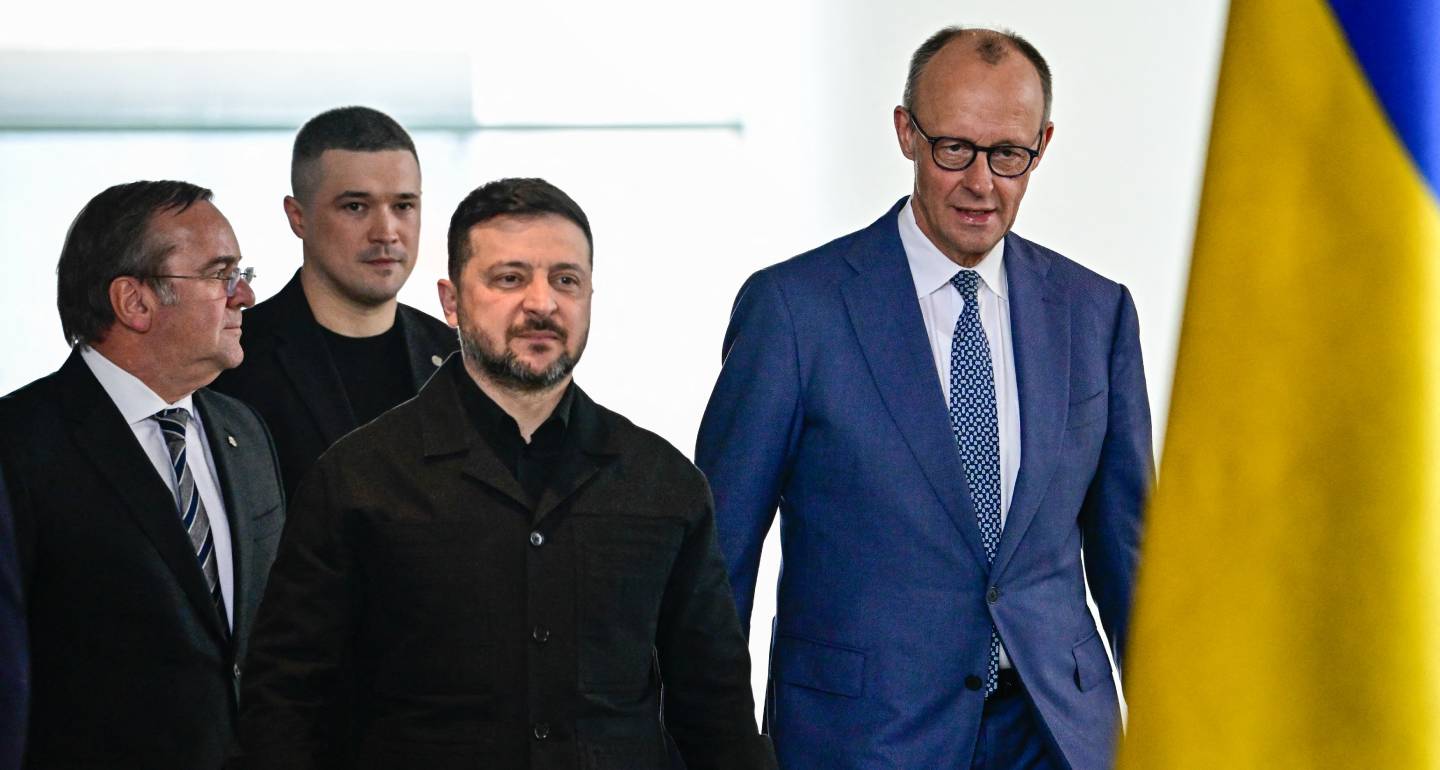
The greater threat to Zelensky comes not from Fedorov alone, but from the convergence between the former defense minister’s political campaign and the anti-corruption investigations moving ever closer to the presidential administration.

Balázs Jarábik
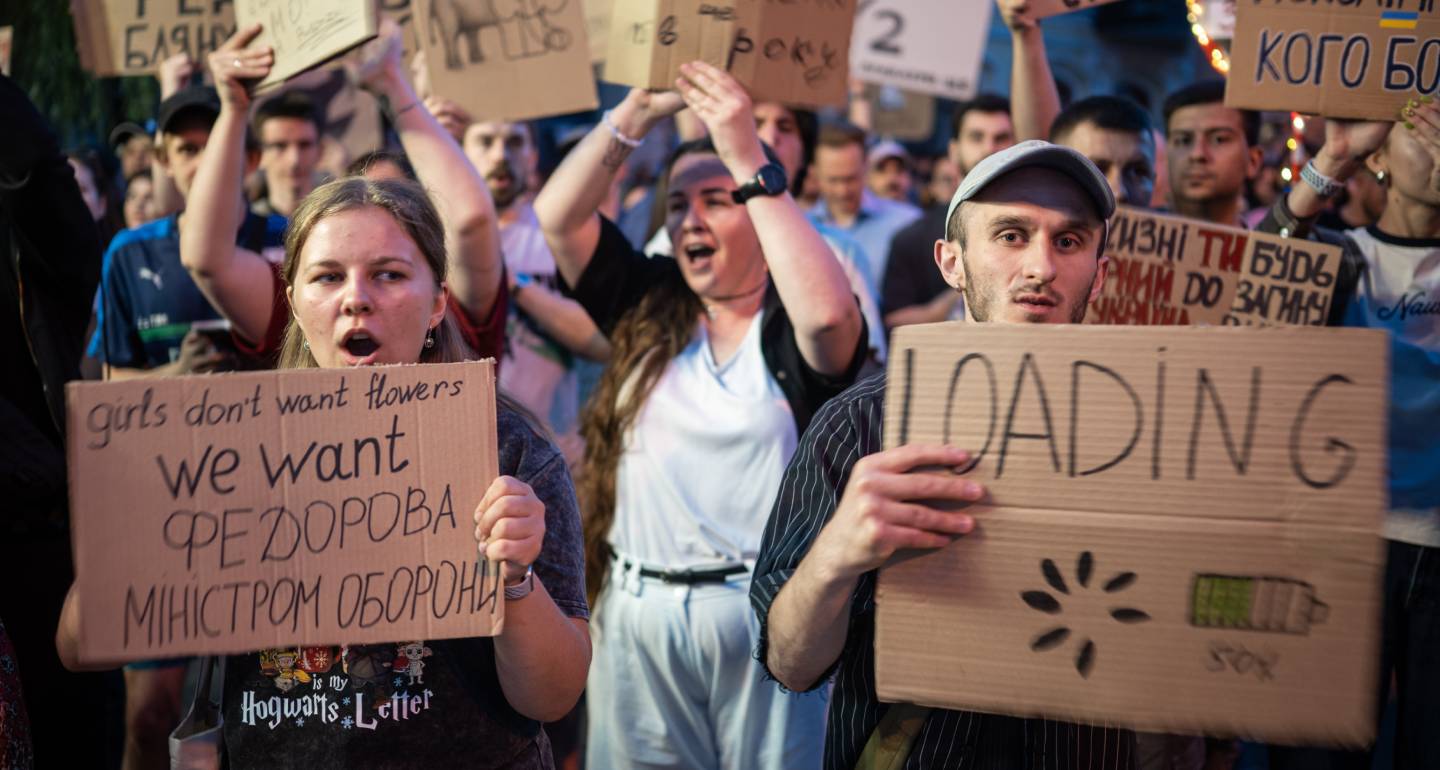
With his public call for new elections in Ukraine, ex-defense minister Mykhailo Fedorov has opened Pandora’s box.

Konstantin Skorkin

In the discussions made possible by the State Duma election campaign, one question is being asked more and more loudly. “What next?”

Andrey Pertsev

Two divergent trends—Putin’s hardline vision of how to prosecute the war in Ukraine, and a growing desire for change in Russia—could tear the regime apart.

Tatiana Stanovaya