

In The Media
Michele Dunne, Robert Kagan
{
  "authors": [
    "Robert Kagan"
  ],
  "type": "legacyinthemedia",
  "centerAffiliationAll": "",
  "centers": [
    "Carnegie Endowment for International Peace"
  ],
  "collections": [],
  "englishNewsletterAll": "",
  "nonEnglishNewsletterAll": "",
  "primaryCenter": "Carnegie Endowment for International Peace",
  "programAffiliation": "",
  "programs": [],
  "projects": [],
  "regions": [
    "Iraq"
  ],
  "topics": [
    "Foreign Policy"
  ]
}
REQUIRED IMAGE
Source: Carnegie
The Allies Must Step Up
Originally published in the Washington Post
Critics of the Bush administration at home and abroad have long called for an early return of Iraqi sovereignty coupled with the internationalization of the assistance effort. The U.N. resolution that was passed unanimously June 8, though late in coming, does just that. What's more, the resolution reflects significant efforts by the Bush administration to meet the concerns of key nations that opposed the Iraq war in 2003. Iraq will enjoy full sovereignty after June 30, not limited sovereignty. Iraqi forces will be under Iraqi command, not the command of the multinational force. The mandate of the multinational force will expire once the political transition has been completed. And the forces will be withdrawn if the Iraqi government so desires.
One would think, therefore, that the new U.N. consensus on Iraq would offer real hope not only for putting Iraq on the right track but also for healing some of the rifts between the United States and its European allies. France and Germany demanded a significant U.N. role, and they've gotten it. They demanded a rapid turnover of sovereignty to the Iraqis, and they got that, too. With the two countries having gotten their way in the negotiations on the resolution, the time has come for them to pitch in and join in the effort to build a peaceful, stable, democratic future for Iraq. After all, French, German and other European officials have insisted all along that the success or failure of Iraq is as much a vital interest for them as for the United States. They've also insisted, understandably, that if the United States wanted their help, it would have to give them a say over policy in Iraq.
Unfortunately, now that the Bush administration has finally acquiesced to their requests, it appears that France and Germany are refusing to fulfill their end of the bargain. Leaders of both countries have declared they will not send troops to assist in Iraq under any circumstances. Still more troubling was French President Jacques Chirac's declaration at the Group of Eight summit last week that he opposed any NATO role in Iraq, even though the resolution France supported explicitly calls on "Member States and international and regional organizations to contribute assistance to the multinational force, including military forces."
The positions staked out by the French and German governments are an abdication of international responsibility.
Everyone knows success in Iraq will require a greater effort on the part of the international community than has so far been forthcoming. The United Nations will have to establish a major operation on the ground if it is to assist the Iraqi government through a difficult political transition over the coming months. Security inside Iraq will have to improve significantly for elections to proceed on schedule and for the economy to begin to grow. An intensive training and equipment program for Iraqi security forces -- including police, civil defense and regular military forces -- will ultimately enable the Iraqis to maintain security. But until then the task will fall mainly on the multinational forces. Thanks to bad planning by the Pentagon, there have never been enough troops in Iraq. At least in the short run, real security requires additional troops. Most of those troops need to come from the United States. But American friends and allies should be sending more forces as well.
Beyond the needs in Iraq, there are broader issues at stake. Above all, there is the question of whether there is any meaning left in the term "alliance." Admittedly the United States hasn't been the best of allies over the past two years. We have missed opportunities to work more closely with NATO countries. But it takes more than the United States to make the transatlantic alliance work. If some of the strongest NATO powers refuse to participate in vital security missions, such as that in Iraq, then it should hardly be surprising when Americans and their leaders begin to dismiss those nations as serious strategic partners. Good allies don't join only the causes that they choose and that are already going well. When the United States sent troops to Bosnia and later fought the Kosovo war, it was not because the Europeans had handled those situations well. Nor did a majority of Americans believe that Bosnia and Kosovo were their concern. Much of the reason the United States fought in the Balkans during the 1990s was for the sake of the alliance itself.
NATO officials, as well as some allied countries, argue that with the alliance already involved in Afghanistan, taking on Iraq as well is beyond the organization's capacity. But the truth is, if NATO cannot take on a mission such as Iraq, when the United States is providing 90 percent of the forces, then why should Americans continue to value the organization? Germany may be tapped out in Afghanistan and the Balkans, which is a sorry commentary on the state of that enormous and wealthy country's military capabilities. But surely France has several thousand troops to spare, if the French government wants to provide them.
Now that the Security Council has opened the door to internationalization in Iraq, the Europeans would be wise to step through. Alliance leaders meeting in Istanbul later this month should agree to take over the security training and equipping mission immediately, with a country such as Germany (which is already involved in training some police) perhaps taking the lead. They should also agree that NATO will take command of the Polish-led sector in southern Iraq immediately and begin planning for eventually placing the entire multinational force under NATO command.
It will be a deadly blow to transatlantic relations if NATO does not become involved in providing security in Iraq. Many Europeans believe their problem is only with the Bush administration. That's a dangerous miscalculation. If John Kerry wins in November, one of his first acts will be to request Europe's help in Iraq. If France and Germany are intent on saying no, then future American administrations, including Kerry's, will have to reconsider the value of the alliance. Do Europeans really want to sever their strategic ties to the United States? If not, they need to understand that the ball is now in their court.
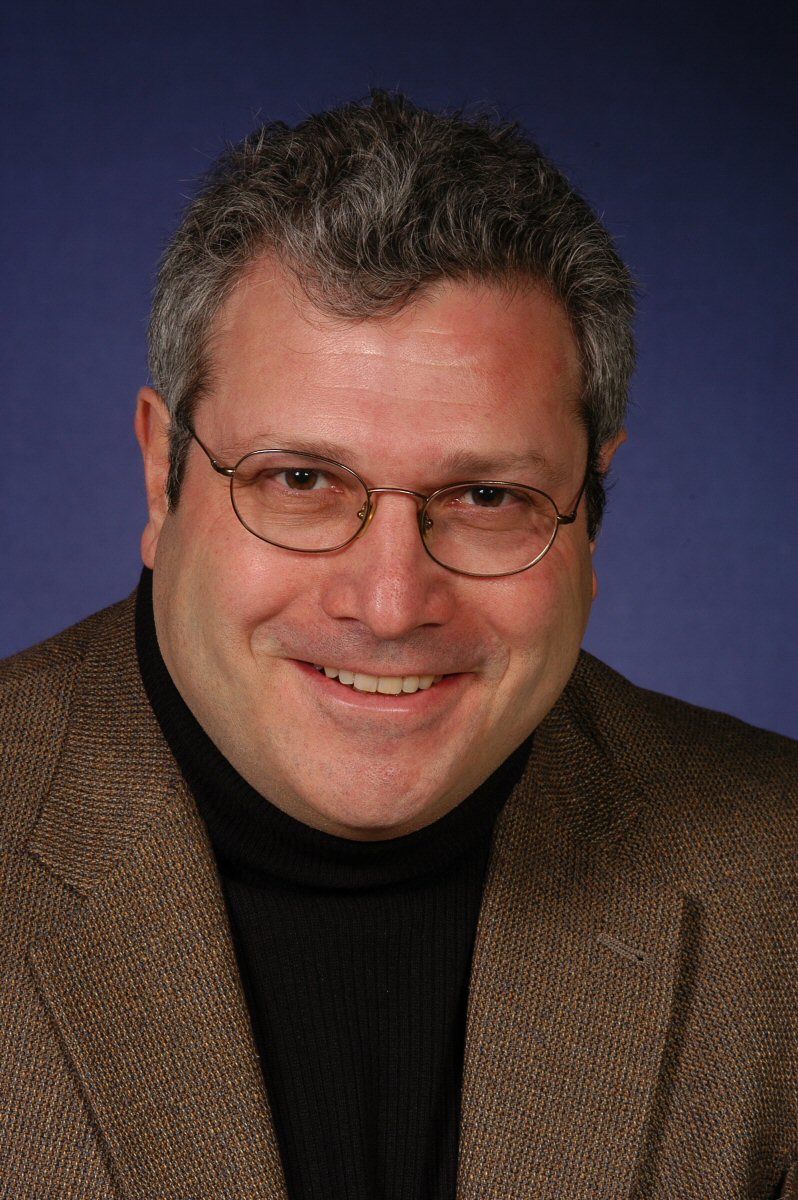
Former Senior Associate
Kagan, author of the recent book, The Return of History and the End of Dreams (Knopf 2008), writes a monthly column on world affairs for the Washington Post and is a contributing editor at both the Weekly Standard and the New Republic.
Recent Work

Michele Dunne, Robert Kagan
Robert Kagan, Michele Dunne
Carnegie does not take institutional positions on public policy issues; the views represented herein are those of the author(s) and do not necessarily reflect the views of Carnegie, its staff, or its trustees.

Without a ceasefire with Ukraine on attacking each other’s energy infrastructure—to which the Kremlin is unlikely to agree—the diesel agreement between Putin and Trump is largely for show, rather than representing a genuine increase in the volumes of Russian diesel on the global market.

Sergey Vakulenko

Despite a new textbook, an influx of Russian teachers and managers, and an end to the teaching of Ukrainian, the Kremlin is unlikely to have “reprogrammed” locals.

Konstantin Skorkin

Cargo traffic through Russia’s Northern Sea Route has increased because of the disruption caused by the conflict in the Middle East, the Ukraine war, and U.S.-China tensions.

Mikhail Korostikov

Minsk clearly expected the dialogue with Washington to yield more results, in particular the lifting of EU sanctions and permission to export potash.

Artyom Shraibman

With the growth in points of friction between the great powers, organizations like the SCO will continue to play a role in the strategic adaptation of the smaller powers caught between them.

Temur Umarov