

Report
- +2
George Perkovich, Jessica Tuchman Mathews, Joseph Cirincione, …
{
  "authors": [
    "Jon Wolfsthal"
  ],
  "type": "legacyinthemedia",
  "centerAffiliationAll": "dc",
  "centers": [
    "Carnegie Endowment for International Peace"
  ],
  "collections": [
    "U.S. Nuclear Policy",
    "Korean Peninsula"
  ],
  "englishNewsletterAll": "ctw",
  "nonEnglishNewsletterAll": "",
  "primaryCenter": "Carnegie Endowment for International Peace",
  "programAffiliation": "NPP",
  "programs": [
    "Nuclear Policy"
  ],
  "projects": [],
  "regions": [
    "United States",
    "Iraq",
    "South Korea"
  ],
  "topics": [
    "Foreign Policy",
    "Nuclear Policy",
    "Nuclear Energy"
  ]
}
REQUIRED IMAGE
Source: Carnegie
Originally published June 8, 2004 in the Munhwa Ilbo
Jon B. Wolfsthal
The security situation in Iraq is bad and continues to worsen. While the recent appointment of interim leaders in Iraq is a positive political step,it is increasingly clear that the United States has mismanaged its occupation of Iraq and that the prolonged post-war chaos shows no signs of improving any time soon. The need for additional US troops in Iraq has become so acute that the United States has announced the reduction and transfer of US troops from South Korea to Iraq.
While the realignment of US forces in South Korea has been a joint goal for the US and the Republic of Korea for several years, the timing and decision to redeploy those troop directly to Iraq sends the wrong signal to US allies and enemies in the region and raises questions about the willingness of the US to stand by its friends in East Asia. In fact, the US should be looking to increase its military capabilities in the region, not reduce them.
The decision to move 3,600 support troops out of South Korea does not directly affect the ability of the United States to help defend South Korea from any attack by the North. Moreover, it is not clear that the troops add any significant capability to US forces in Iraq. By some estimates, many tens of thousands of additional troops are needed in Iraq to secure cities and borders with neighboring countries. But the symbolism is clear around the world - the US is in trouble in Iraq and appears to be scavenging troops from anywhere and everywhere to bolster its position in the Middle East. If troops had to be removed from South Korea, they should have been rotated back to the United States or better yet on temporary assignment to Japan.
The events in Iraq, however, are not the only reason the timing of this move was a mistake. The continued progress of North Korea' nuclear program that may now include up to 9 nuclear weapons has influenced the way the troop realignment may be seen on Pyongyang and elsewhere. While it is always difficult to understand North Korean perceptions, it is possible that Pyongyang will interpret the US troop move as a sign of weakness and further embolden Kim Jong Il to advance his nuclear program as a way of encouraging further US military reductions.
The current US administration has approach on North Korea's nuclear program has failed. Pyongyang's capabilities have increased in the 3 plus years this administration has been in office with no real progress in site. It is time to face the increasingly realistic possibility that North Korea may never give up its nuclear program -or may never be offered a deal attractive enough to tempt it to do so. The United States, South Korea, Japan and China must quickly begin to make adjustments in its political and military positions to ensure that North Korea is deterred from taking any provocative military action and that the alliances between the ROK, Japan and the United States are reinforced.
To ensure the future credibility of US security commitments to both South Korea and Japan, the United States should consider increasing, not decreasing, the level of troops in the region as well as continuing to enhance regional military capabilities. This would send a clear signal to North Korea that its continued nuclear efforts are worsening its security situation, while reassuring US allies that Washington remains committed to their protection.
Lastly, it is time for the United States to communicate a new set of messages or red lines to North Korea, including what North Korean moves the US would consider so dangerous as to warrant military action. Among these are any attempt by North Korea to export any nuclear materials and any moves to conduct a nuclear weapons test. Most importantly, the US should make it clear to Pyongyang that any signs that North Korea is preparing to launch a long-range ballistic missile would be interpreted as possible preparation for a nuclear attack against the United States or one of its allies.
Former US Secretary of Defense William Perry warned last year that the current direction of US policy risked both sides "drifting into war" through miscalculation. Now that the US has lowered its military presence in South Korea and North Korea expanded its nuclear arsenal, his predictions are coming closer to reality.
Jon Wolfsthal is deputy director of the Non-Proliferation Project
-----------------------------------
Past Columns in the Munhwa Ilbo by Jon Wolfsthal:
Click here to return to ProliferationNews.org

Former Nonresident Scholar, Nuclear Policy Program
Jon Wolfsthal was a nonresident scholar with the Nuclear Policy Program.
Recent Work



George Perkovich, Jessica Tuchman Mathews, Joseph Cirincione, …
Jon Wolfsthal
Carnegie does not take institutional positions on public policy issues; the views represented herein are those of the author(s) and do not necessarily reflect the views of Carnegie, its staff, or its trustees.

When faced with fuel shortages in the past, Central Asian governments could always count on additional supplies from Moscow. That safety net no longer exists.

Galiya Ibragimova

Despite unhappiness on the ground, Moscow is determined to use both carrot and stick to ensure there is record support for United Russia in occupied Ukraine.

Konstantin Skorkin
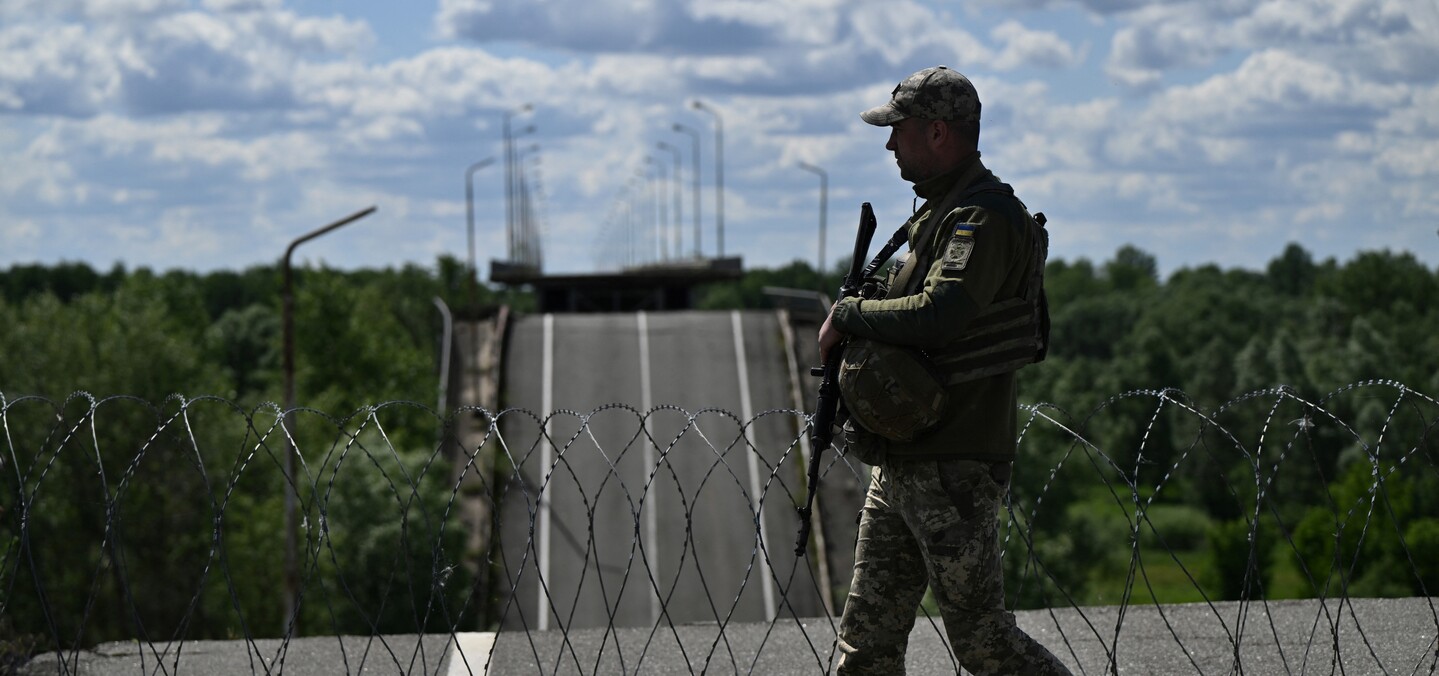
The recent damage inflicted by Ukrainian drones and missiles on Russia has made Belarus aware of its own vulnerabilities—and surprisingly amenable to Kyiv’s demands.

Artyom Shraibman
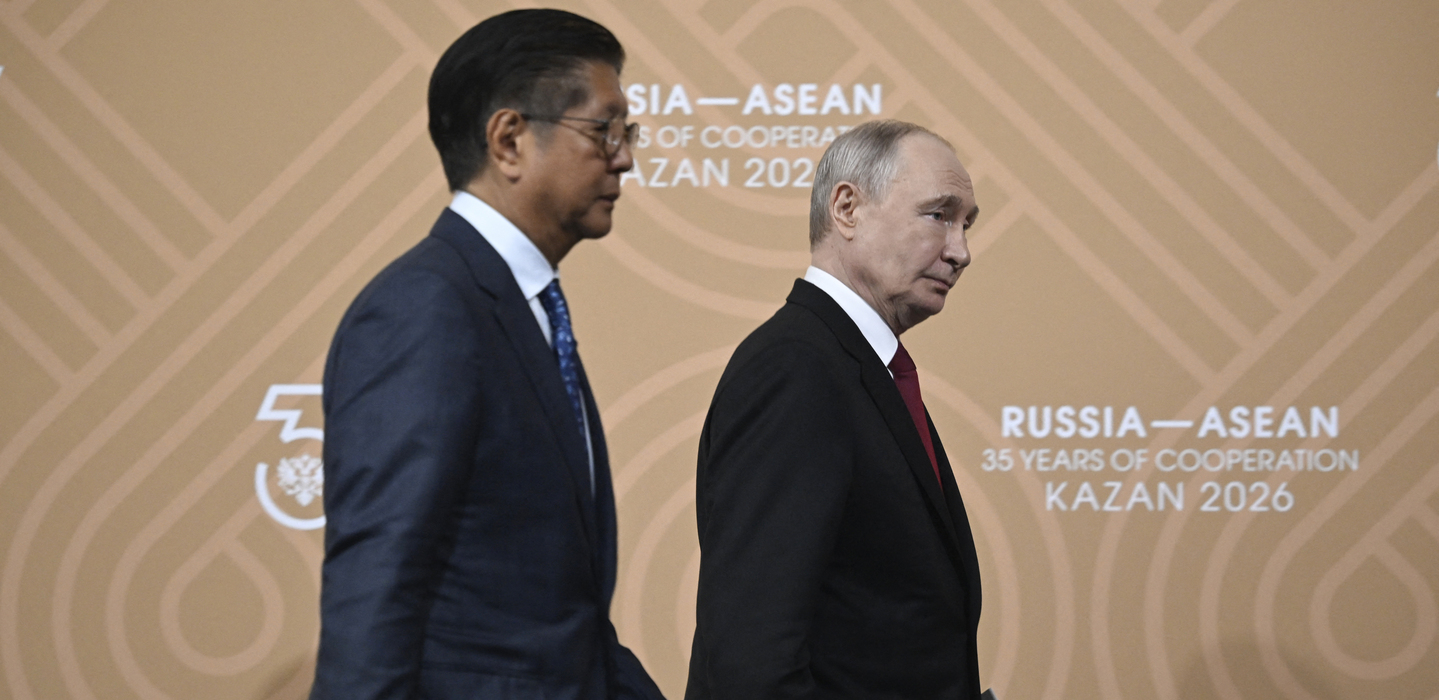
Russia looks set to reap economic benefits from closer ties with Southeast Asian countries that are keen to find reliable energy suppliers and diversify trade ties.

Alexander Gabuev
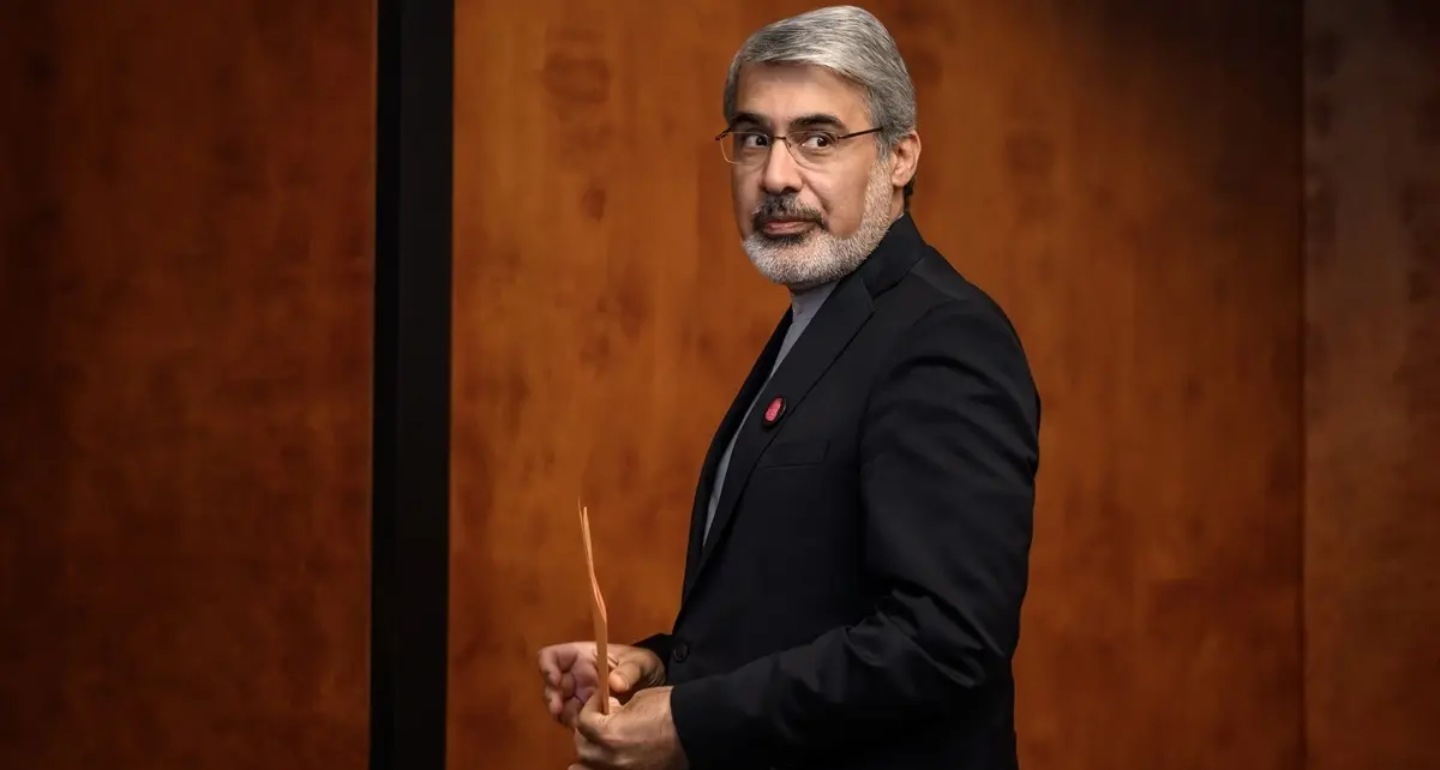
Ongoing uncertainty in the Middle East allows Moscow to both increase its influence in Tehran and continue to enjoy the financial windfall of higher oil prices.

Nikita Smagin