

Commentary
Amr Hamzawy
{
  "authors": [
    "Amr Hamzawy"
  ],
  "type": "legacyinthemedia",
  "centerAffiliationAll": "dc",
  "centers": [
    "Carnegie Endowment for International Peace"
  ],
  "collections": [],
  "englishNewsletterAll": "",
  "nonEnglishNewsletterAll": "",
  "primaryCenter": "Carnegie Endowment for International Peace",
  "programAffiliation": "DCG",
  "programs": [
    "Democracy, Conflict, and Governance",
    "Middle East"
  ],
  "projects": [],
  "regions": [
    "Middle East",
    "Egypt",
    "Iraq"
  ],
  "topics": [
    "Political Reform",
    "Democracy",
    "Foreign Policy"
  ]
}
Source: Getty
Source: Al Ahram Weekly

The Al-Azhar demonstration presented the government, the National Democratic Party and those sectors of the media that reflect their views with a golden opportunity to revive the most negative stereotypes of the MB. These images began to fade from public consciousness many years ago, when the MB renounced violence and started to take part in the political process by fielding candidates in legislative elections. The group, it appeared, was abiding by the rules of the government-versus-banned opposition movement game in which the latter, facing an authoritarian regime, was at a distinct disadvantage.
The government's campaign rested on three points calculated to raise widespread suspicions over whether the MB has truly renounced violence. Firstly, government spokespersons and official organs reminded the public of the organisation's violent past, particularly its creation of a paramilitary wing in 1952. It deliberately took this fact out of its historical context, ignoring the many changes the MB underwent in subsequent decades, whether voluntarily or by force of circumstance, claiming the "Black Masks" were proof that the MB had all the while maintained underground militia cells and that these could lash out violently against society at any moment and must, therefore, be repressed.
In equally misleading manner official rhetoric underscored the fact that militant groups such as Al-Gamaa Al-Islamiya and the Egyptian Jihad emerged from MB student cells at Al-Azhar. It followed, therefore, that the Brotherhood was, at best, a potential incubator of terrorist groups and, at worst, an active recruiter for terrorist organisations. This supposed fact was used to justify harsh policing action against the MB on the grounds of the threat the group poses to public security.
Thirdly, the government attempted to lump the MB in the same basket with such movements as Hizbullah and Hamas, harping on the role each has played in the internal power struggles and strife in Lebanon and Palestine, respectively. The inference is that Islamist movements in the Arab world have but one aim -- to monopolise power for themselves -- and will not refrain from violence against their domestic political adversaries towards this end. The argument then proceeds to contend that the Al-Azhar demonstration was a harbinger of an exclusionist bid for power in Egypt and that this must be nipped in the bud before it is too late.
Many independently-minded and well-intended writers and intellectuals have also taken this line, failing to devote the appropriate attention to the actual context of the Al-Azhar events, which were a response to restrictions on political expression within universities and the distortions that the authoritarian regime has engendered in realm of political activity in Egypt. The Muslim Brotherhood, too, failed to handle the Al-Azhar students' demonstration appropriately on several levels. The reaction of MB officials has been, for the most part, simplistic. They said the masked men were engaged in "athletic displays" that were misconstrued, condemning the arrest of MB members as evidence of the government's determination to resort to security clampdowns and other repressive measures against the most important opposition movement.
The problem, here, is that the MB spokespersons focussed solely on the Al-Azhar incident, while maintaining a mysterious silence over the many questions that the paramilitary demonstration raised, regardless of how unfounded the questions might be.
The Muslim Brothers did themselves, and their contribution to Egyptian political life, no favours by failing to counter the government's attempts to cast suspicion over their renunciation of violence and commitment to peaceful political activity. They, too, could have availed themselves of the same source of information the government tapped: their own contemporary history. Since the 1980s, when the regime first began to allow Muslim Brotherhood members to compete in legislative and professional syndicate elections, officially ceding some space to the officially banned organisation within the framework of various formulas for conditional and restricted political participation, the group unequivocally committed itself, in both word and deed, to peaceful political activity and the principle of gradual reform. Nor has it departed from this strategy, in spite of the successive waves of repressive actions taken against them.
The MB leadership was similarly remiss in addressing public perceptions of the organisation's role when it failed to speak openly and frankly about the nature of its relationship with Muslim Brotherhood university students or clarify the boundaries between any responsibility the MB leadership might have had for the Al-Azhar demonstration and the realm of autonomy open to student activists. In view of the commonly held impression that the MB has a rigid, quasi- militaristic line-of-command structure that exacts unswerving obedience and absolute discipline from its members, one would have thought that the leadership would have thought it important to counter this impression and to refute the generally deduced conclusion that MB students are little more than puppets whose strings lead directly to the upper echelons of the MB leadership.
I am convinced the ambiguity that characterised the Muslim Brotherhood leadership's response to the Al-Azhar incident and their dismissal of any connection between the group and this incident, as if the matter were beyond the bounds of public debate, is the product of the confused workings of three interrelated and ultimately conflicting approaches to how the organisation should interact with the public. On the one hand, the MB perceives itself and acts as a religious proselytising organisation that aims to rectify society's ills and whose members will be rewarded by God for the trials they must endure. On the other hand, it is a socio-political movement, banned for decades and subject to constant surveillance and repression on the part of the authorities; this has led it to opt, in principle, for operating clandestinely and protect its cohesion as a group by keeping a tight lid on its organisational "secrets". But it is also an opposition faction that has recently come to participate publicly in civil affairs, within the bounds permitted by the current system of restricted plurality, and is, therefore, obliged to act with a certain level of transparency and accountability to the public.
The confusion that arises from the interplay between these three approaches holds no small degree of danger for the MB and their role in Egyptian society. A more explicit response by the group would not have forestalled the government's campaign against the organisation but the lack of such a response strengthened the government's hand in dominating the public debate over the Al-Azhar incident and contributed to the cloud of suspicion hovering over the organisation which, however unfounded, will exact from it an enormous political price.
* The writer is a senior associate at the Carnegie Endowment for International Peace.

Director, Middle East Program
Amr Hamzawy is a senior fellow and the director of the Carnegie Middle East Program. His research and writings focus on governance in the Middle East and North Africa, social vulnerability, and the different roles of governments and civil societies in the region.
Recent Work
Amr Hamzawy

Amr Hamzawy, Sarah Yerkes, Kathryn Selfe
Carnegie does not take institutional positions on public policy issues; the views represented herein are those of the author(s) and do not necessarily reflect the views of Carnegie, its staff, or its trustees.
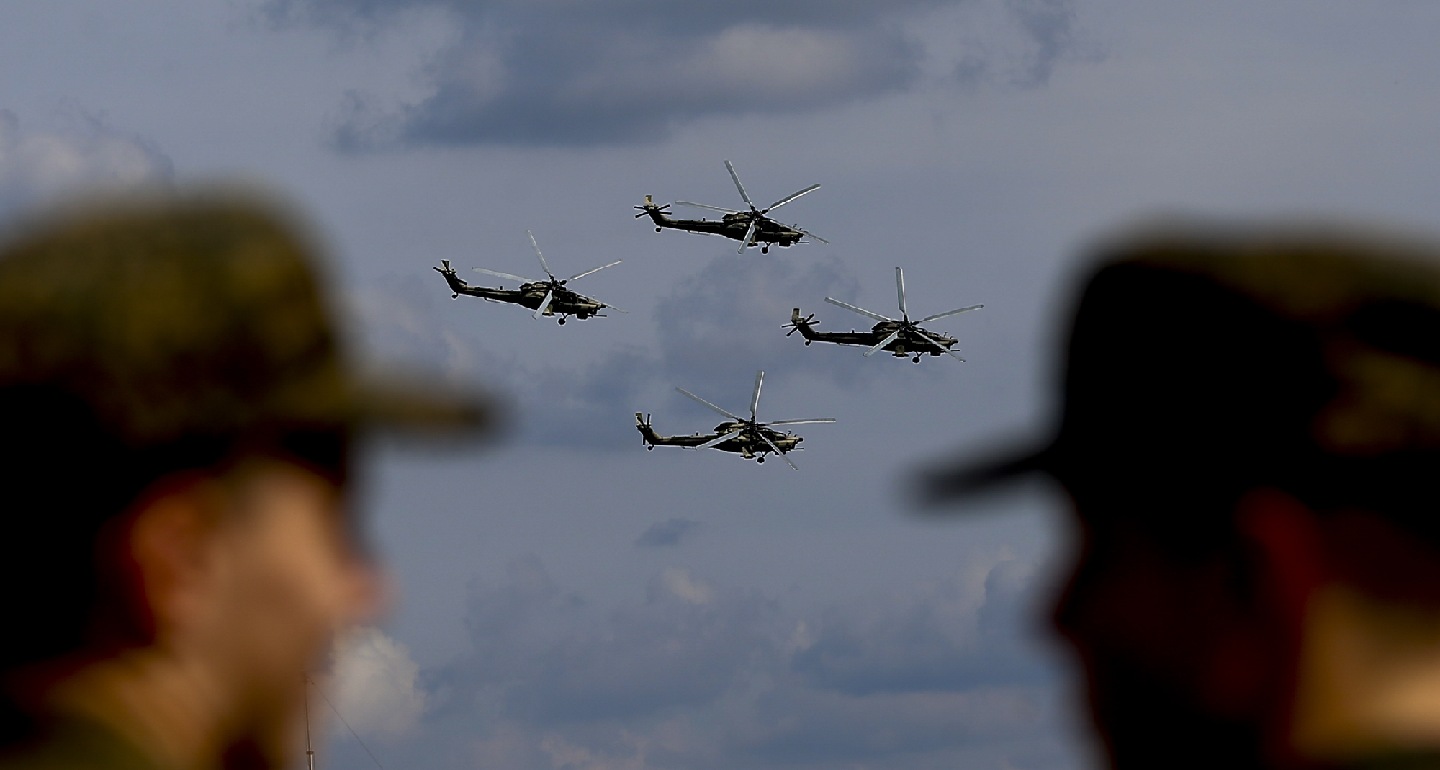
Arms supplies from Russia to Iran will not only continue, but could grow significantly if Russia gets the opportunity.

Nikita Smagin
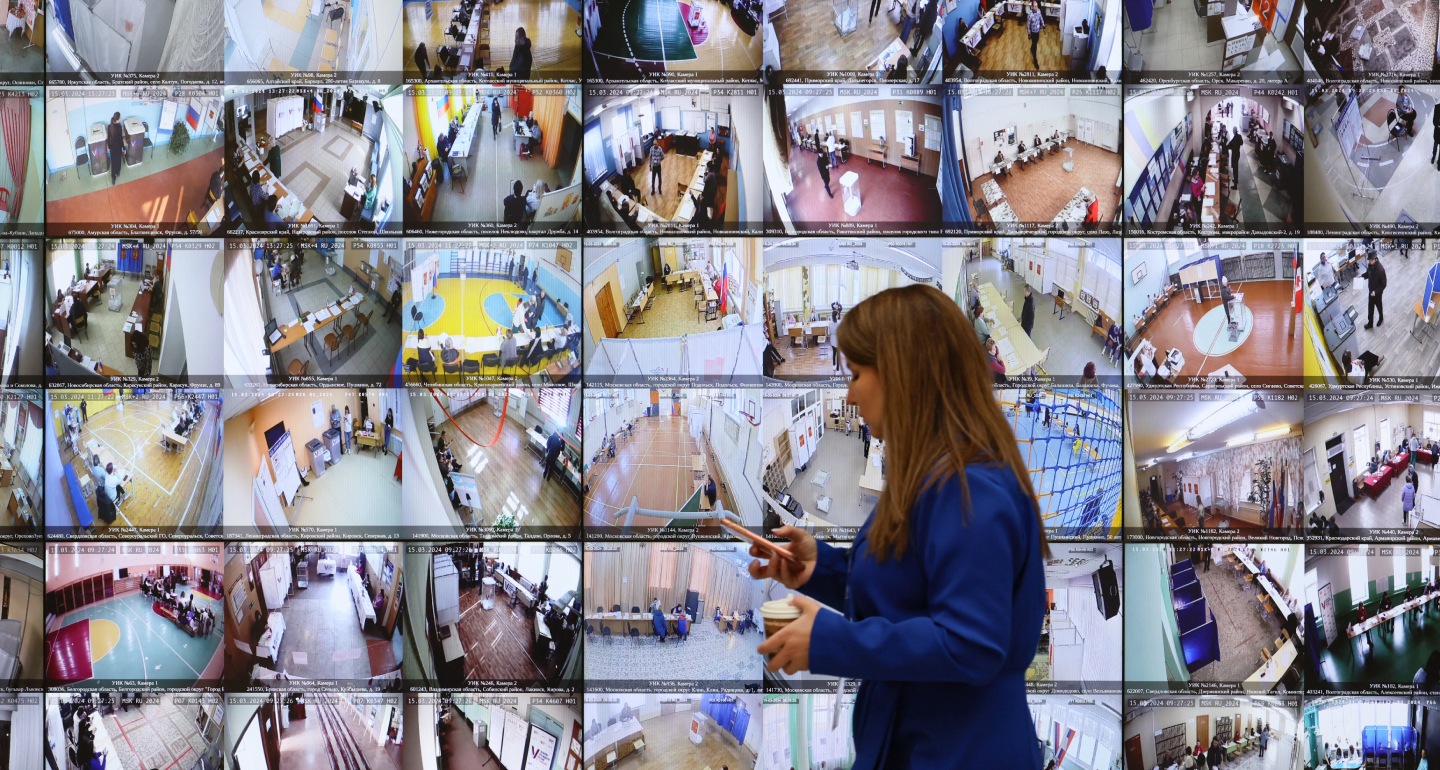
The use of technology to mobilize Russians to vote—a system tied to the relative material well-being of the electorate, its high dependence on the state, and a far-reaching system of digital control—is breaking down.

Andrey Pertsev
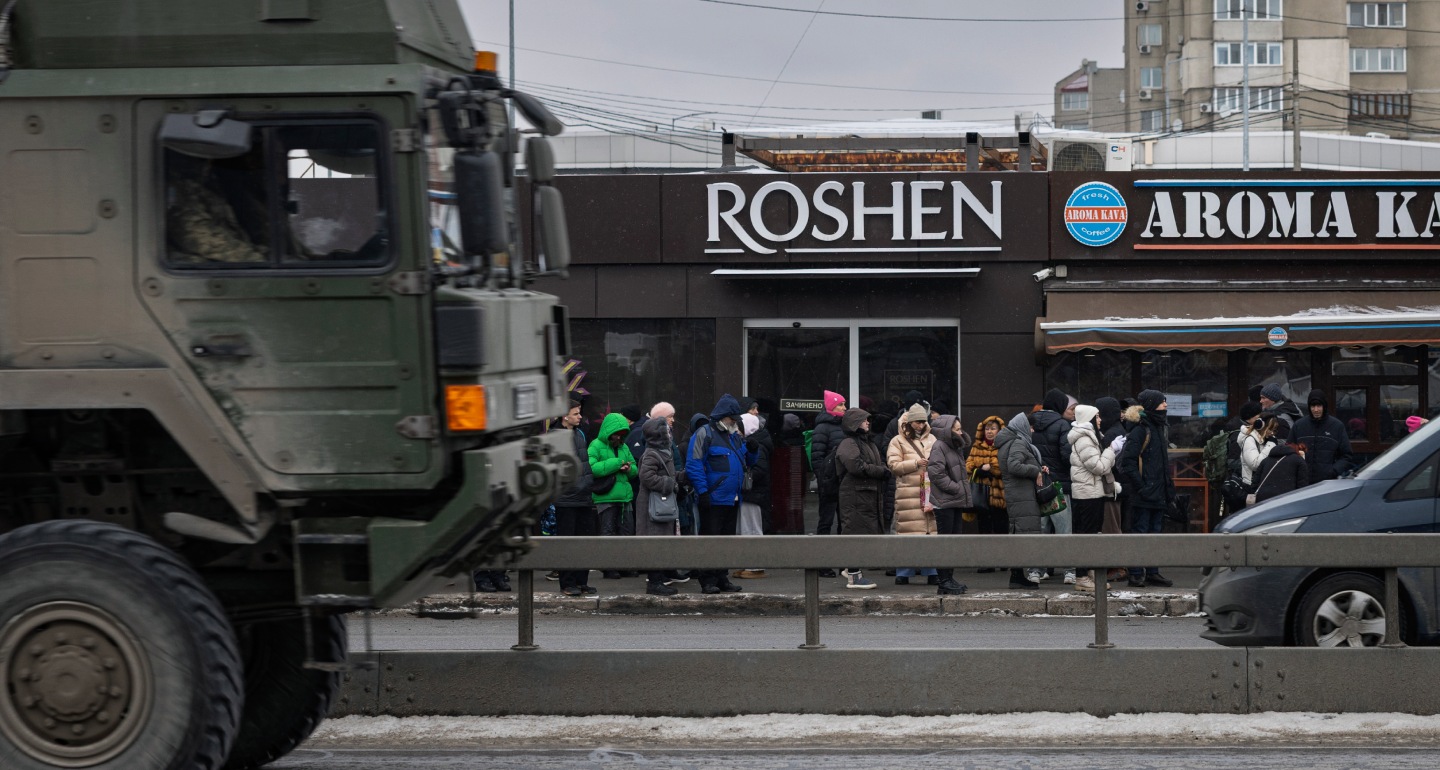
Putin is stalling, waiting for a breakthrough on the front lines or a grand bargain in which Trump will give him something more than Ukraine in exchange for concessions on Ukraine. And if that doesn’t happen, the conflict could be expanded beyond Ukraine.

Alexander Baunov
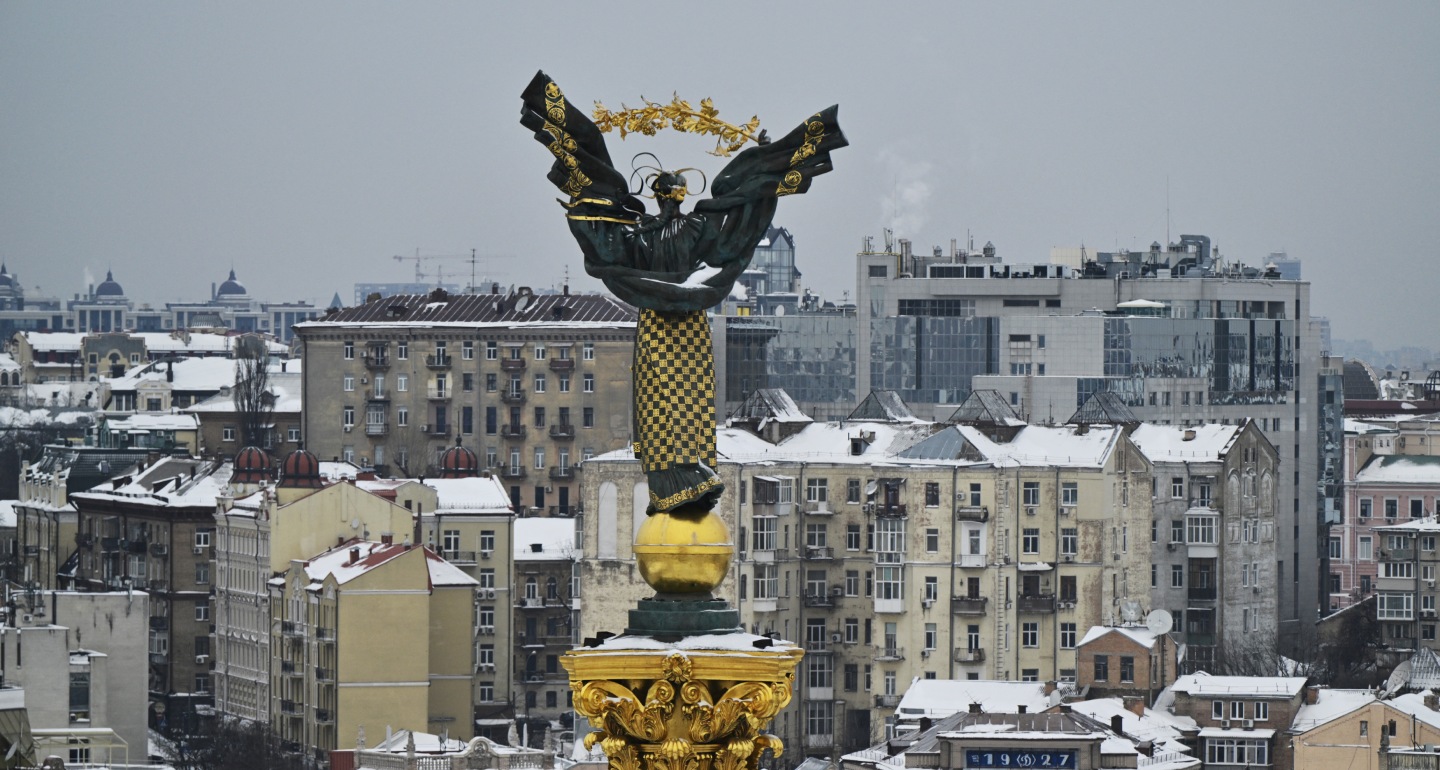
As discussions about settlement and elections move from speculation to preparation, Kyiv will have to manage not only the battlefield, but also the terms of political transition. The thaw will not resolve underlying tensions; it will only expose them more clearly.

Balázs Jarábik
Disillusioned with the West over Gaza, Arab countries are not only trading more with Russia; they are also more willing to criticize Kyiv.

Ruslan Suleymanov