

In The Media
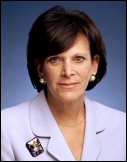
Jessica Tuchman Mathews
{
  "authors": [
    "Jessica Tuchman Mathews"
  ],
  "type": "legacyinthemedia",
  "centerAffiliationAll": "",
  "centers": [
    "Carnegie Endowment for International Peace",
    "Carnegie Europe"
  ],
  "collections": [],
  "englishNewsletterAll": "",
  "nonEnglishNewsletterAll": "",
  "primaryCenter": "Carnegie Endowment for International Peace",
  "programAffiliation": "",
  "programs": [],
  "projects": [],
  "regions": [
    "Middle East",
    "Iraq"
  ],
  "topics": []
}
Source: Getty
Carnegie President Jessica T. Mathews appeared on BBC Radio 4’s The World Tonight to discuss the effectiveness of the “surge” in meeting its objectives in Iraq. Mathews argues that while a departure of U.S. troops from Iraq would likely increase violence in the short-term, it remains unclear whether the consequences of staying are better for the U.S. and Iraq in the medium- and long-term.
Source: BBC Radio 4 The World Tonight

Carnegie President Jessica T. Mathews appeared on BBC Radio 4’s The World Tonight to discuss the effectiveness of the “surge” in meeting its objectives in Iraq. Mathews argues that while a departure of U.S. troops from Iraq would likely increase violence in the short-term, it remains unclear whether the consequences of staying are better for the U.S. and Iraq in the medium- and long-term. “At the cost of a lot of lives and an enormous amount of money—$12 billion a month—we are basically paying both sides to turn to each other and not to kill us. We are paying Sunni militia, we’re paying Shi’a militia, and that is obviously not a long-term formula for progress.”

Distinguished Fellow
Mathews is a distinguished fellow at the Carnegie Endowment for International Peace. She served as Carnegie’s president for 18 years.
Recent Work
Jessica Tuchman Mathews
Jessica Tuchman Mathews
Carnegie does not take institutional positions on public policy issues; the views represented herein are those of the author(s) and do not necessarily reflect the views of Carnegie, its staff, or its trustees.

This year’s wars have made alternative routes to transit through Russia no less risky for Central Asian countries.

Galiya Ibragimova
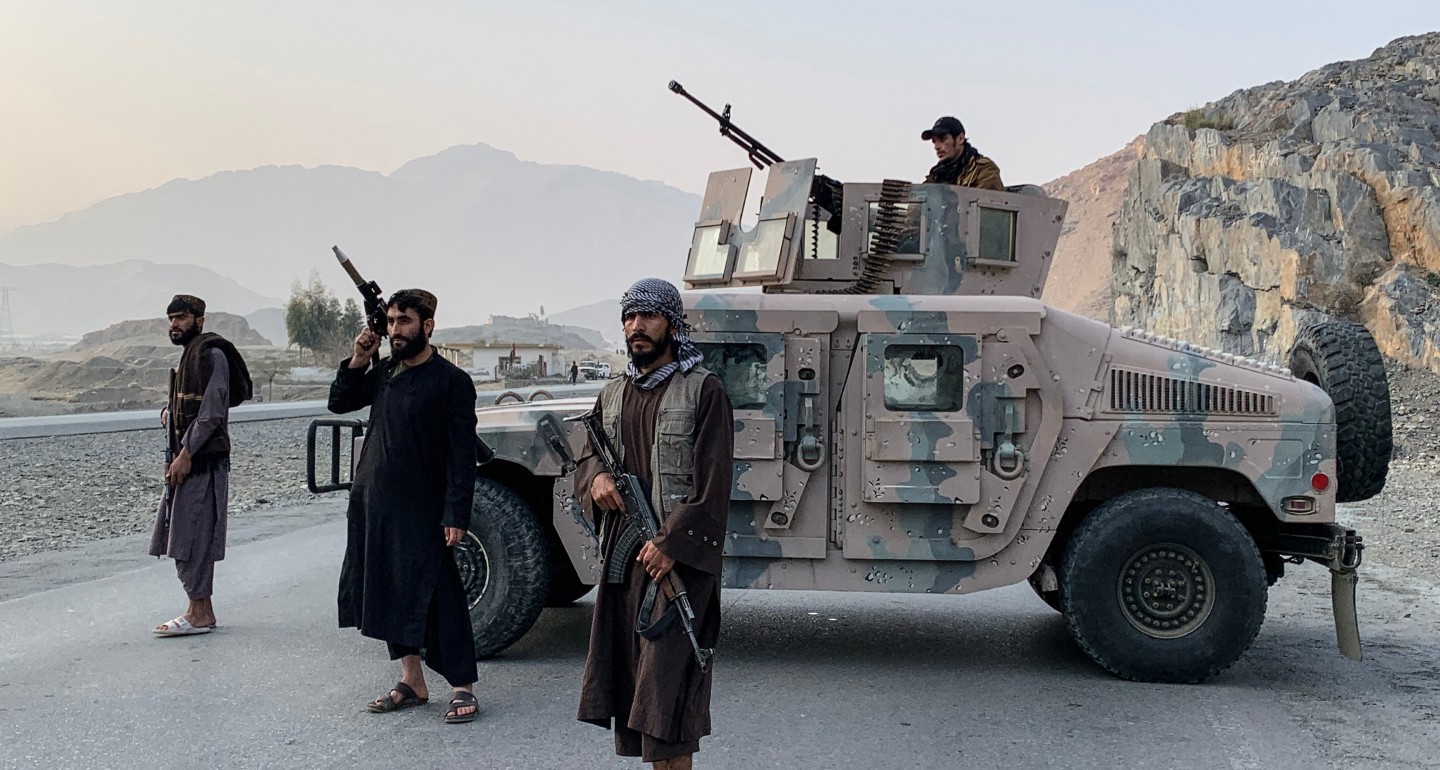
Not only does the fighting jeopardize regional security, it undermines Russian attempts to promote alternatives to the Western-dominated world order.
Ruslan Suleymanov
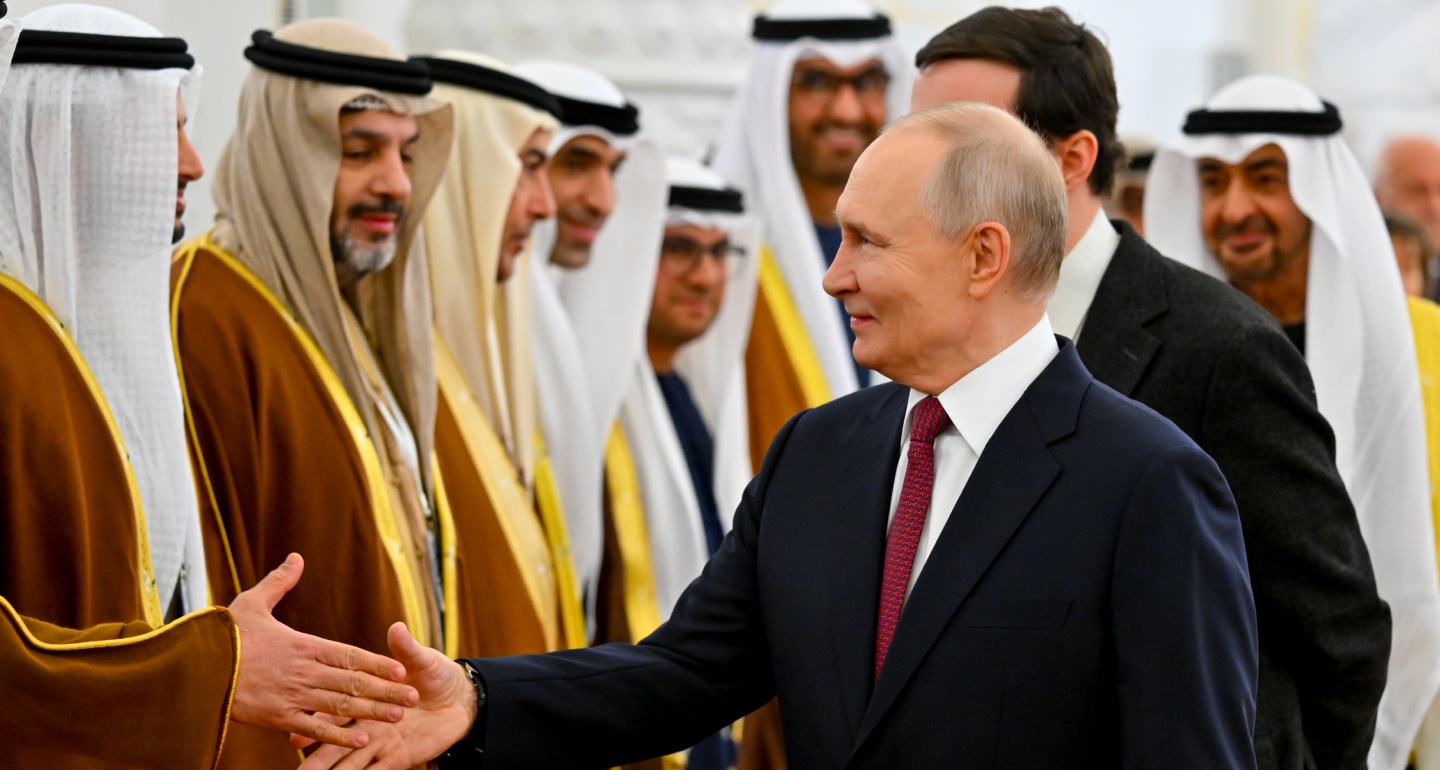
Disillusioned with the West over Gaza, Arab countries are not only trading more with Russia; they are also more willing to criticize Kyiv.
Ruslan Suleymanov

Baku may allow radical nationalists to publicly discuss “reunification” with Azeri Iranians, but the president and key officials prefer not to comment publicly on the protests in Iran.

Bashir Kitachaev
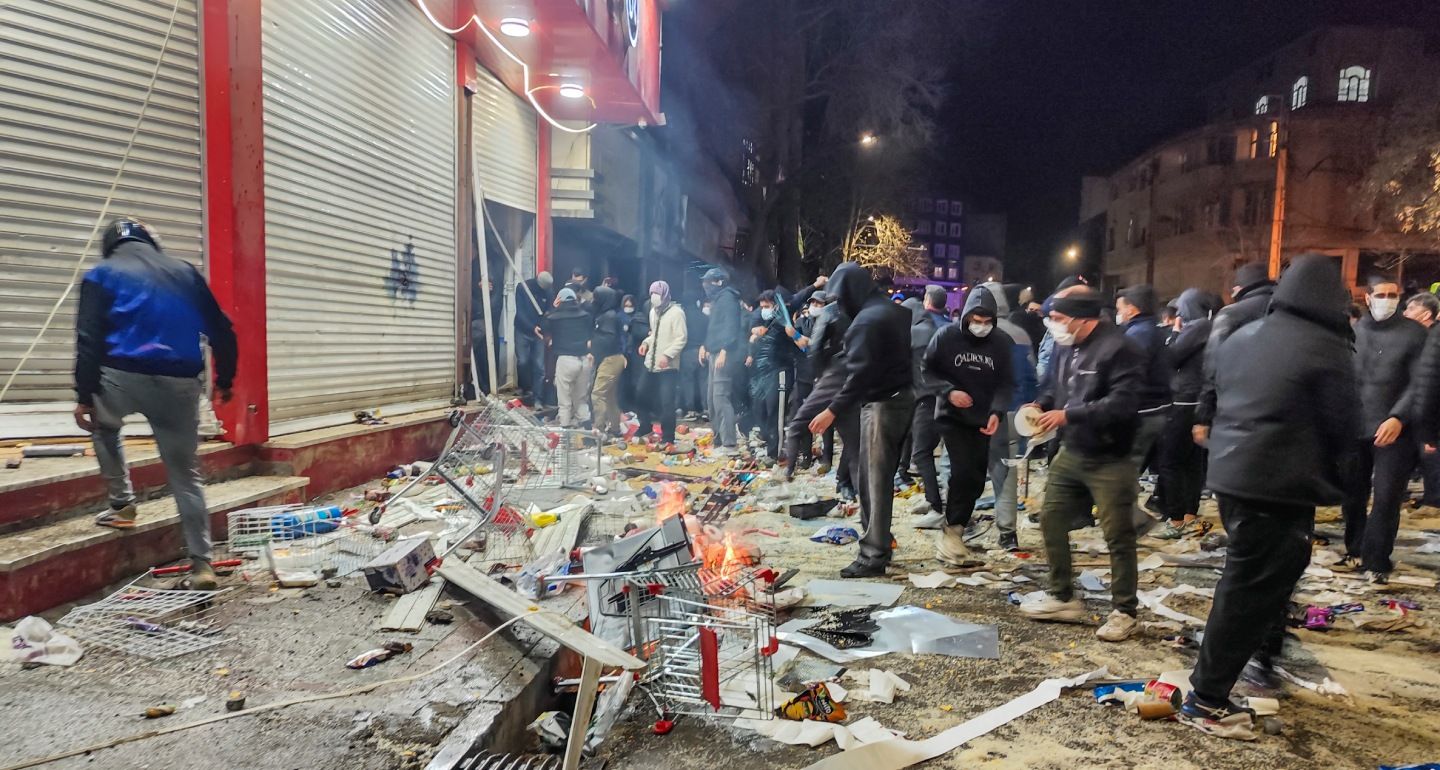
It’s one thing to export Russian helicopters to Iran to fight the insurgency, and it’s easy to imagine Moscow becoming a haven for fleeing Iranian leaders. But it’s very difficult to imagine Russian troops defending the Iranian regime on the ground.

Nikita Smagin